
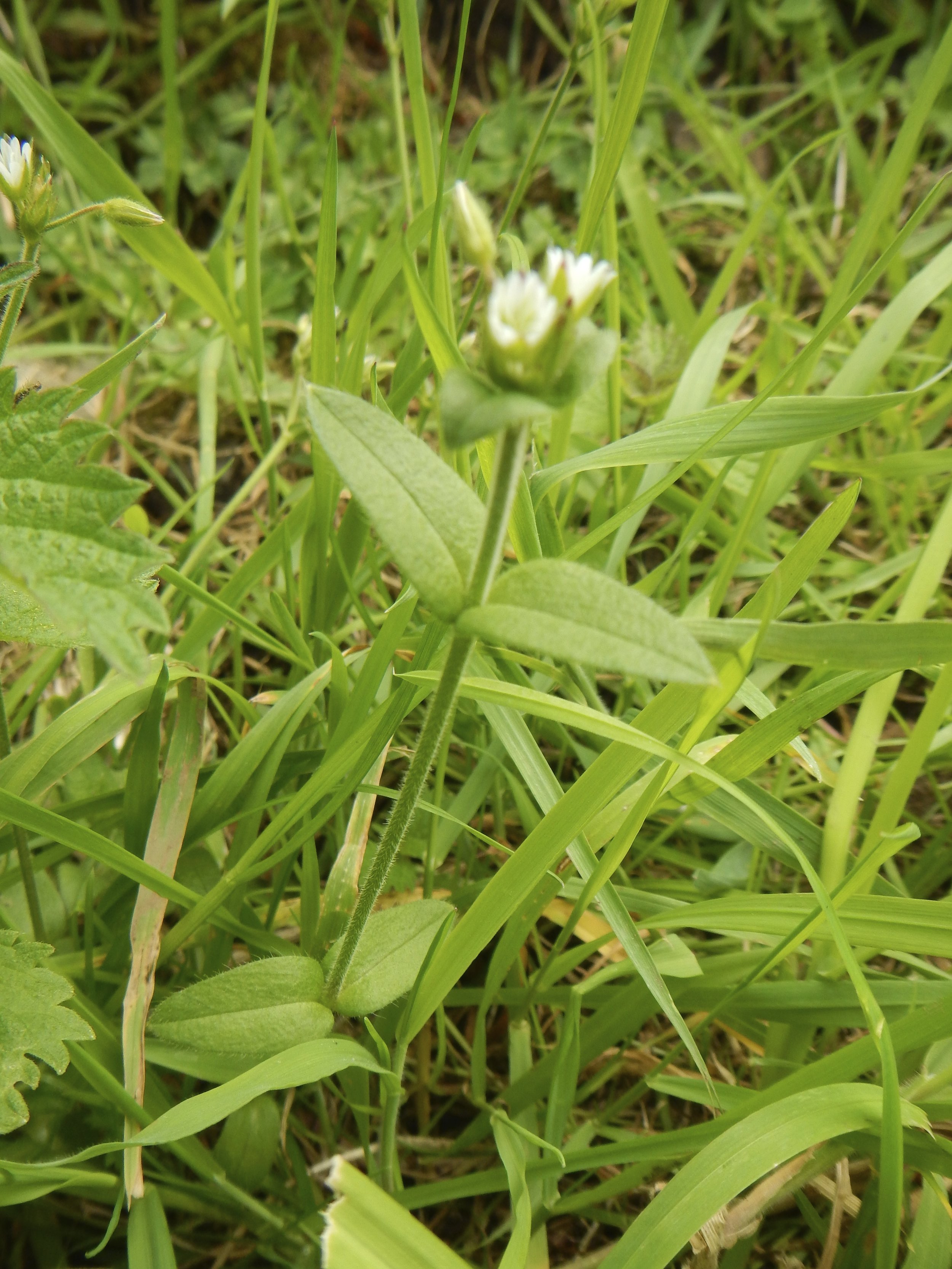
Cerastium fontanum NS6056 06Jul2013 PW

Cerastium fontanum NS6056 06Jul2013 PW

Cerastium fontanum NS6056 06Jul2013 PW

Cerastium fontanum NS6056 06Jul2013 PW
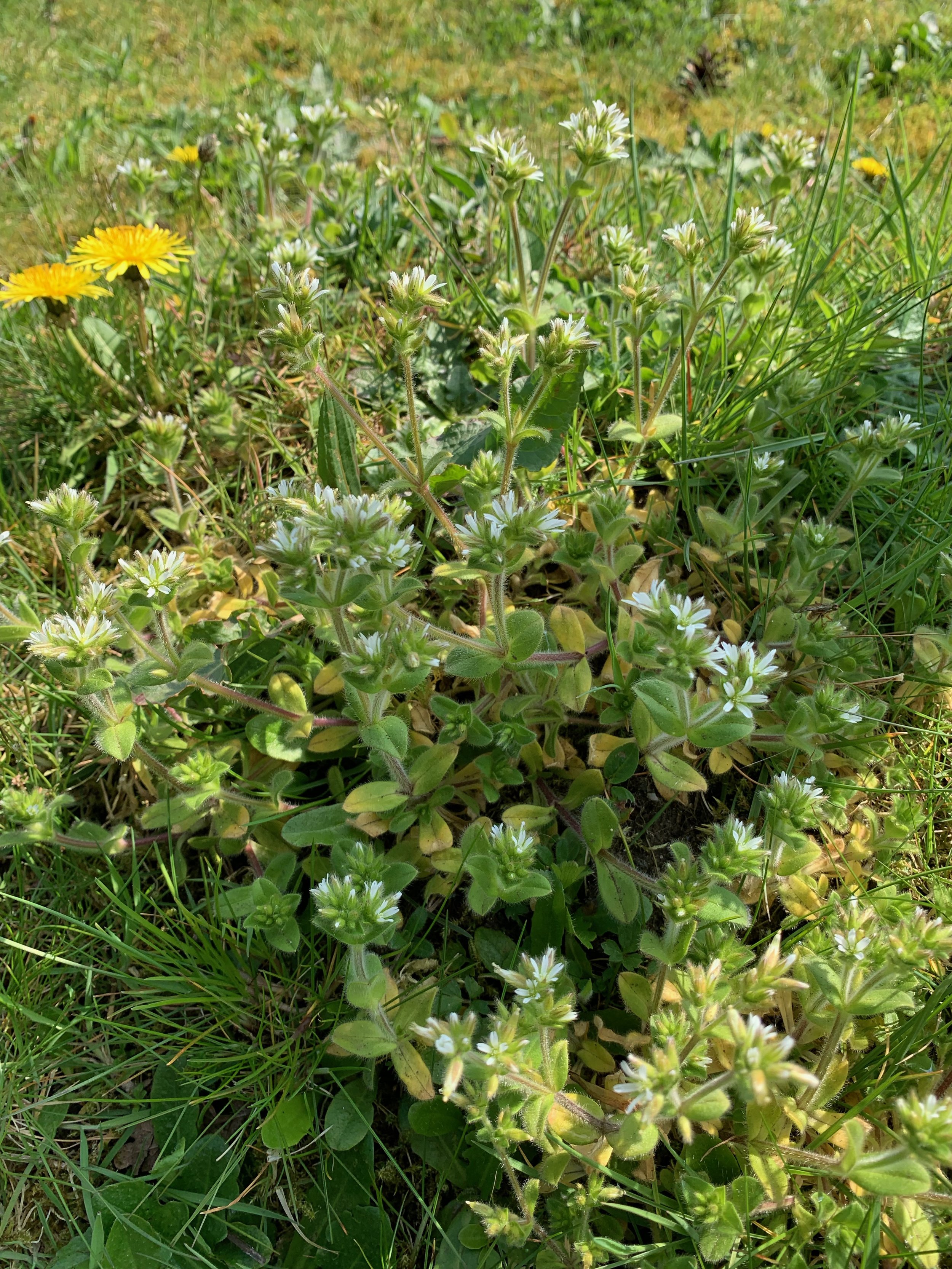
Cerastium fontanum NS6273 20Apr2019 PW
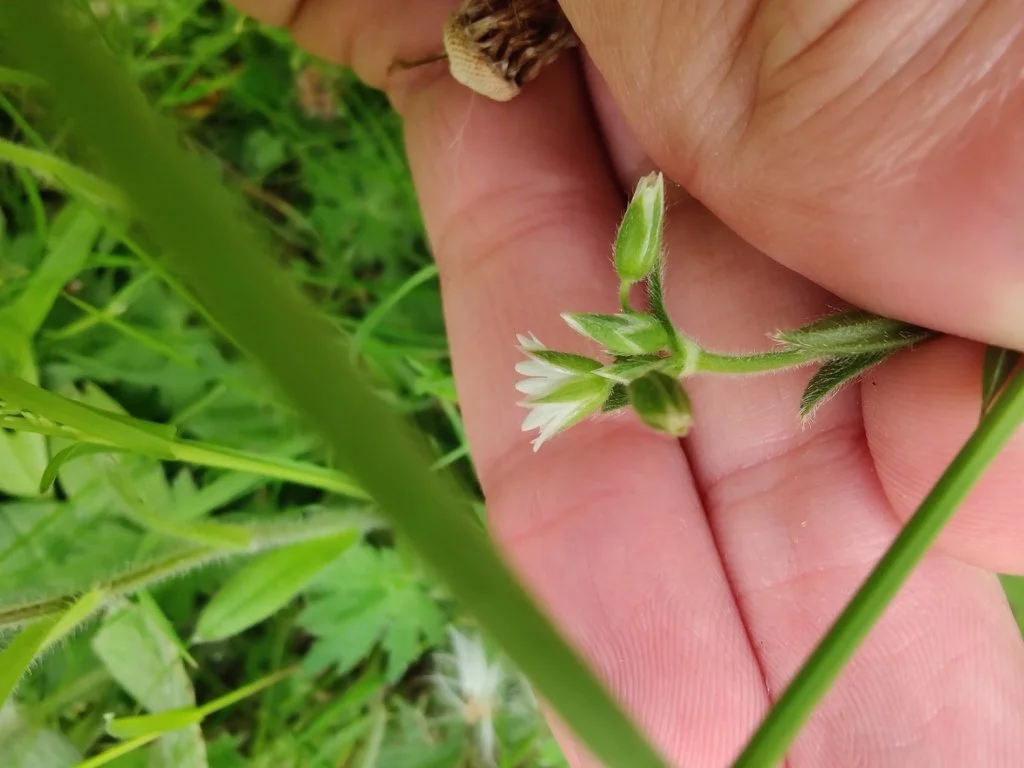
Note the bracts and the sepal edges are membranous (scarious).
Cerastium fontanum NS6255 6Jun25 CS
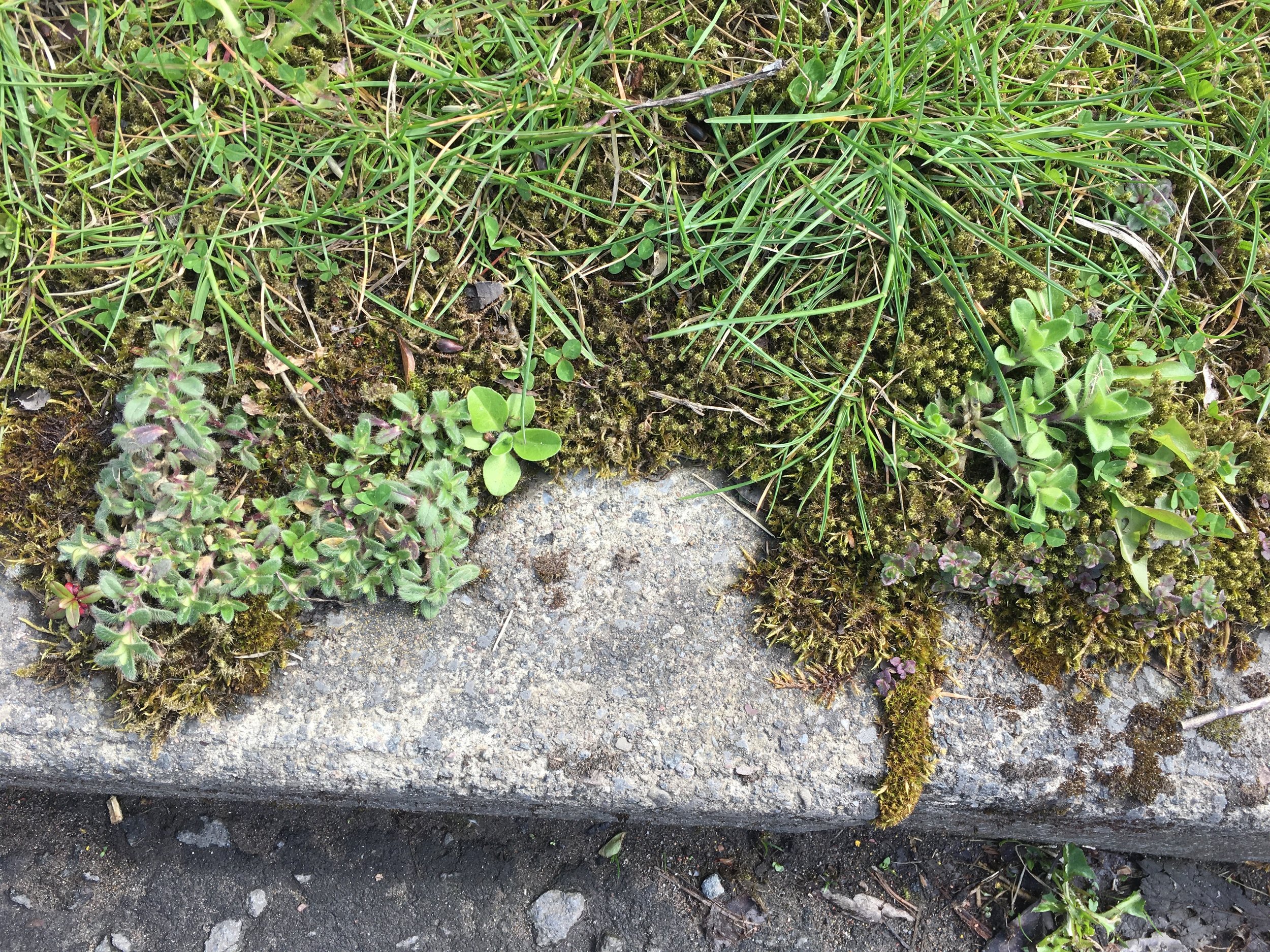
C. glomeratum is on the right and C. fontanum is on the left.
Cerastium glomeratum and fontanum NS6066 15Apr2017 PW
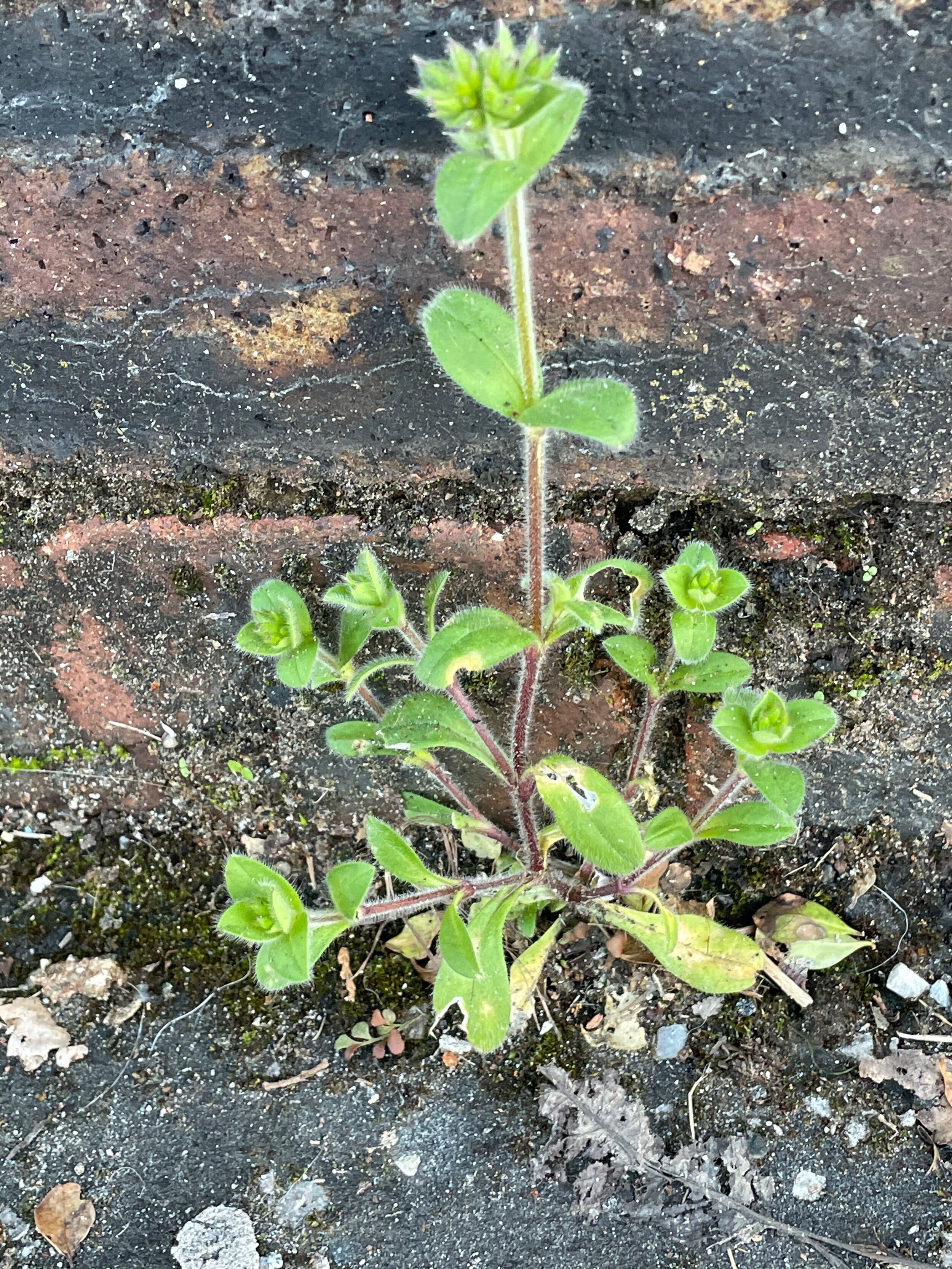
It is an annual so most of the shoots end in flowers. The leaves are broader, rounder and brighter green than C. fontanum.
Cerastium glomeratum NS6159 2April2021 PW
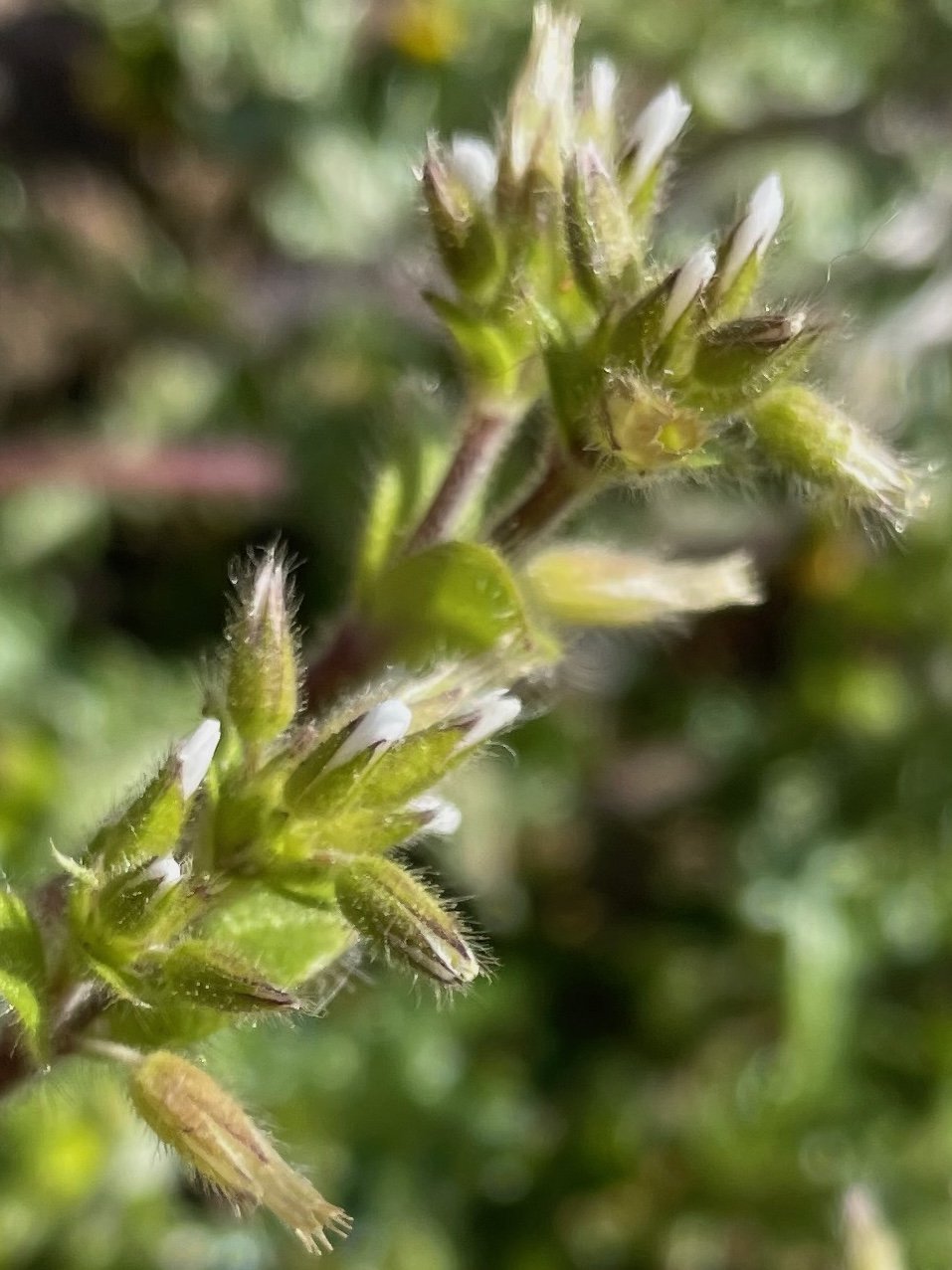
The sepals are wholly green wut=rg red tips, There are hair projecting beyond the tips of the sepals and many are glandular.
Cerastium glomeratum NS5765 9Apr22 PW
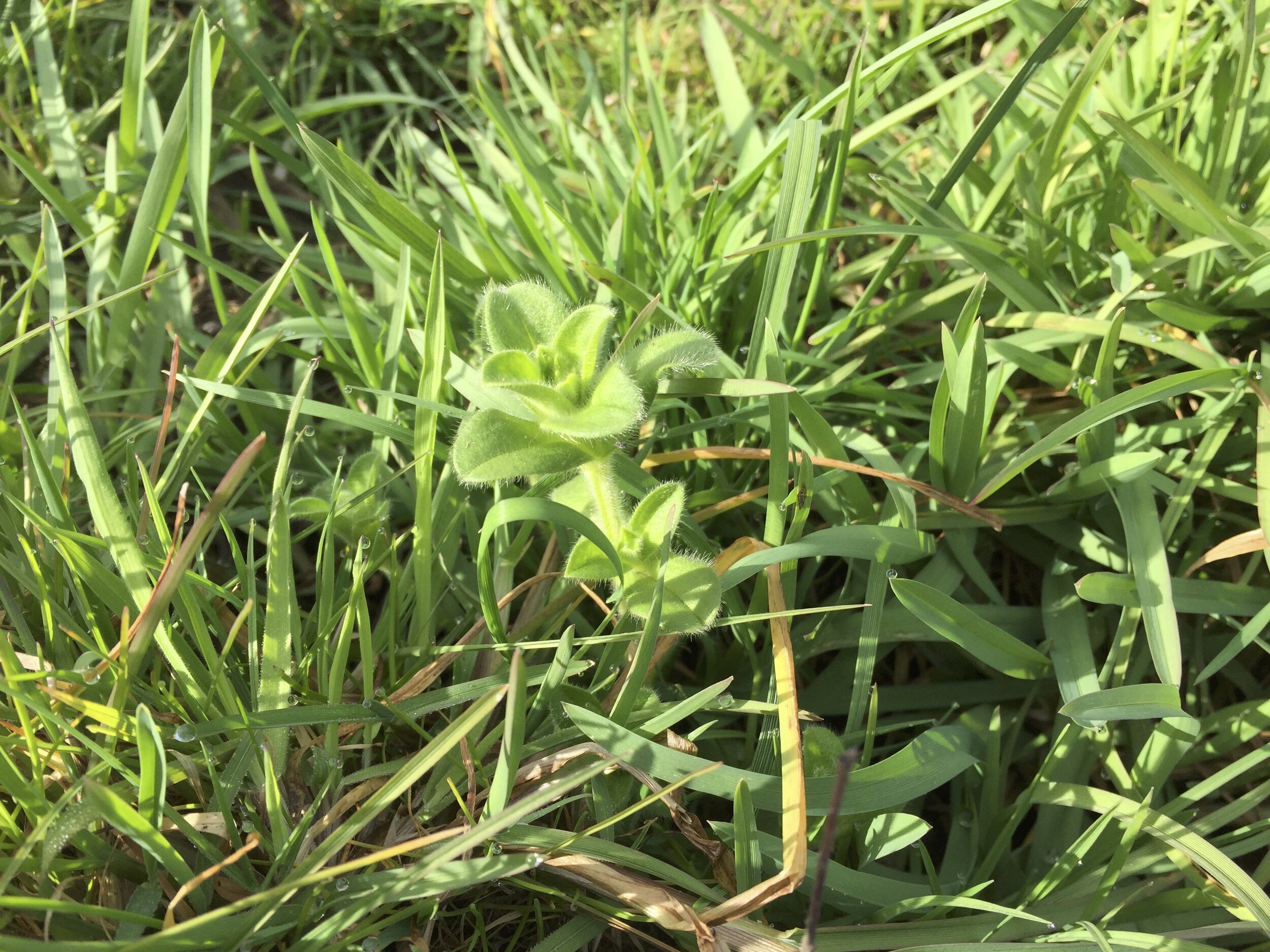
Cerastium glomeratum NS8048 17Apr2020 MP
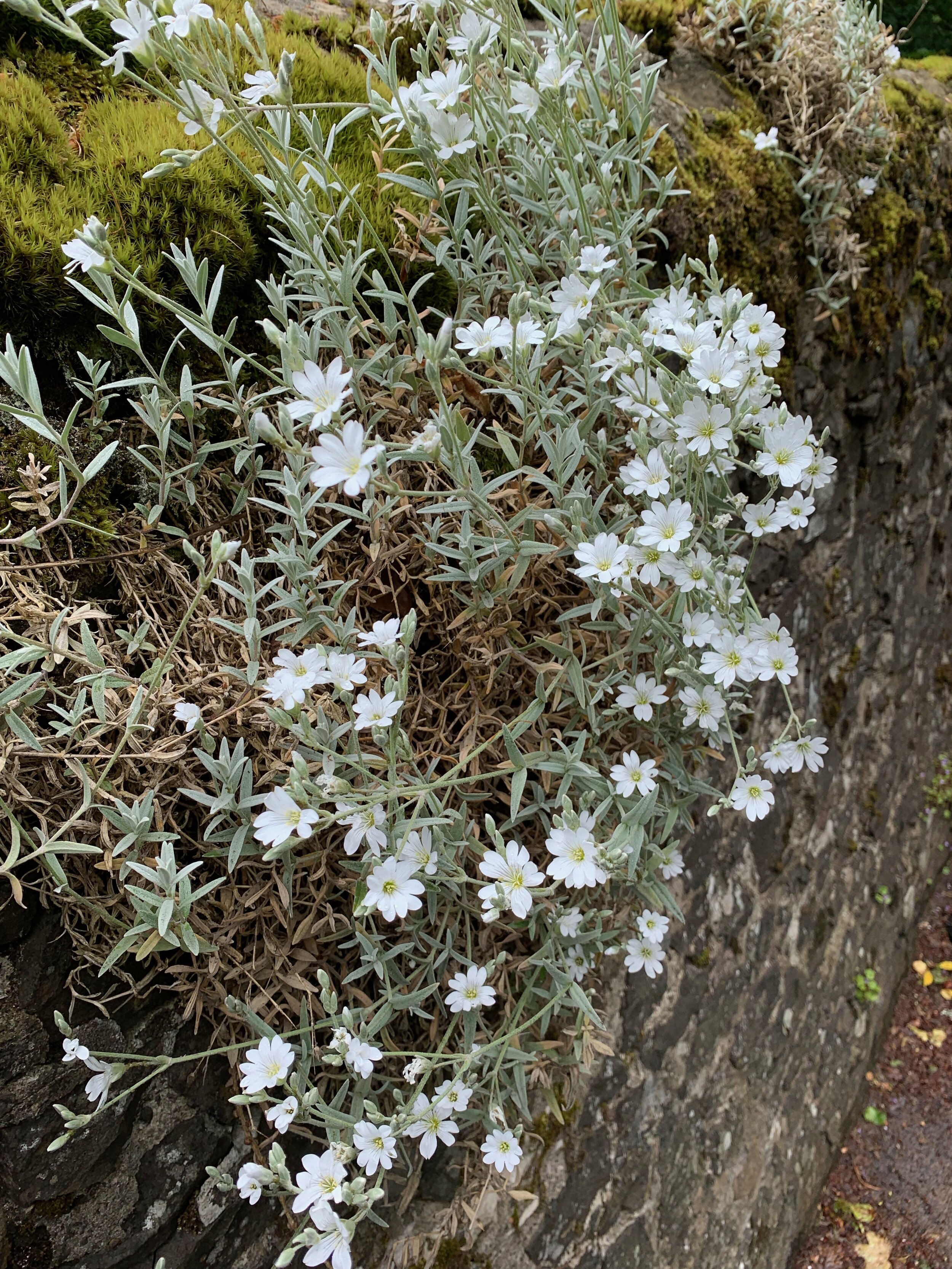
Cerastium tomentosum NT0233 02 June 2019 PW
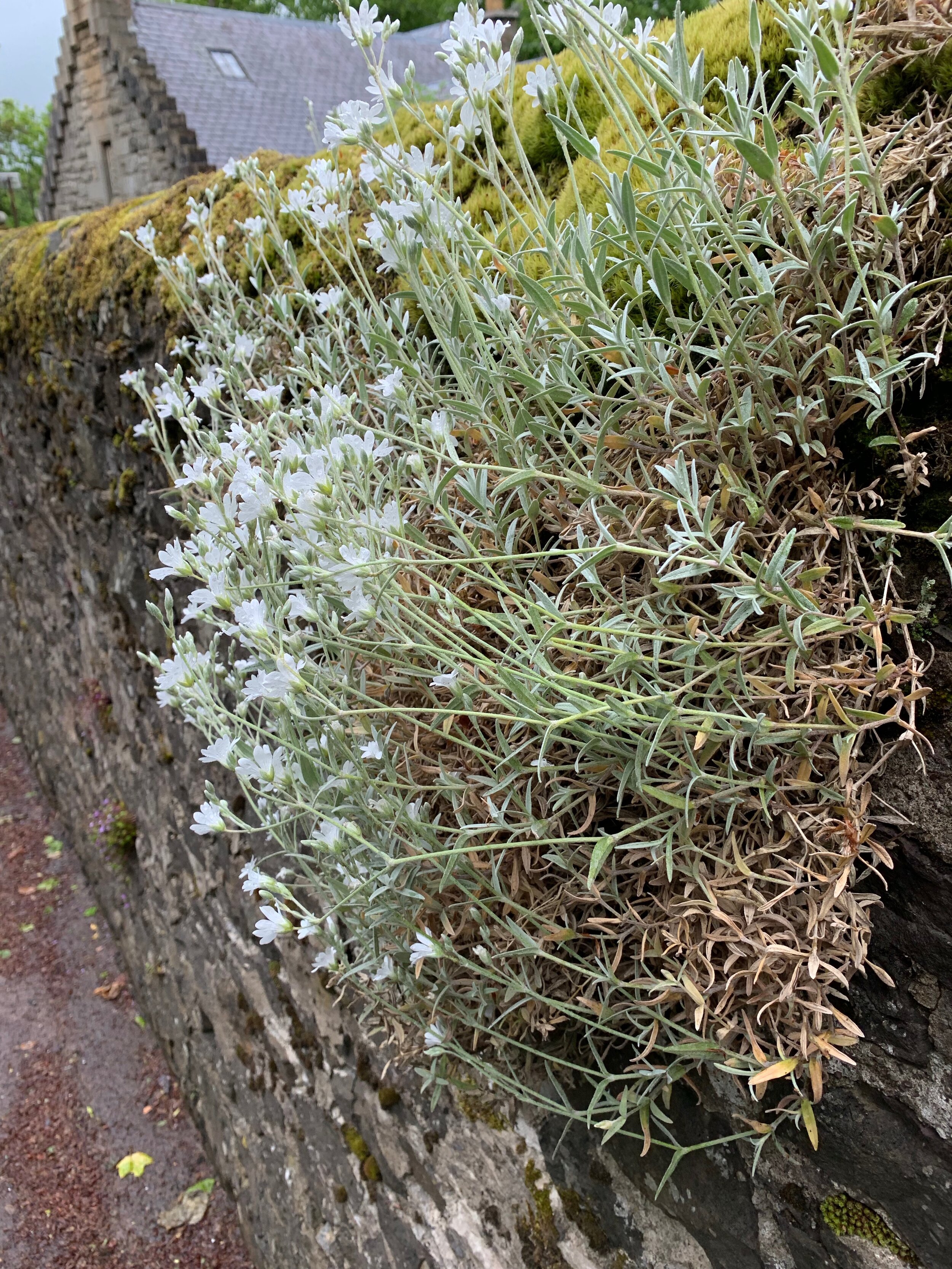
Cerastium tomentosum NT0233 02 June 2019 PW
Cerastium species - Mouse-ears
Cerastium fontanum - Common Mouse-ear. It is a perennial with mat-forming non-flowering shoots and erect flowering shoots. The non-flowering shoots have broader (oblanceolate), blunt leaves with the base narrowing into a stalk-like base. The leaves on the flowering shoots are oblong or strap like with ±acute tip and dark grey-green on top and paler below. The flowers are in loose panicles. The bracts and sepals have ±membranous margins and few hairs ! no long hairs from tip.
Cerastium glomeratum Sticky Mouse-ear is an annual, so all of the shoots are erect with flowers which are more clustered. The leaves are more yellow-greenish with broader leaves than Cerastium fontanum. It has glandular hairs on the sepals and elsewhere and there are hairs clearly projecting beyond the end of the sepal. The sepals and bracts are herbaceous with ±no membranous border.
Cerastium tomentosum - Snow-in-summer is a common garden escape. It is a perennial, with densely tormentose stems and leaves with matted hairs.
Cerastium arvense - Field Mouse-ear (pictures awaited). This is a perennial, like Cerastium fontanum but the petals are at least twice as long as the sepals.
Cerastium diffusum - Sea Mouse-ear (pictures awaited). This is an annual, the sepals do not have hairs projecting beyond their tips. The bracts are completely green, and there are usually 4 petals and sepals. It usually occurs in coastal dunes, but also in railway sidings and bings in Lanarkshire.
Cerastium semicandrum - Little Mouse-ear (pictures awaited). This is an annual, with no hairs projecting beyond the sepal tips. The distal 1/3rd of the bracts is paper-like (scarious) and the petals are over 2/3 rd as long as the sepals. There are usually 5 petals and sepals.