

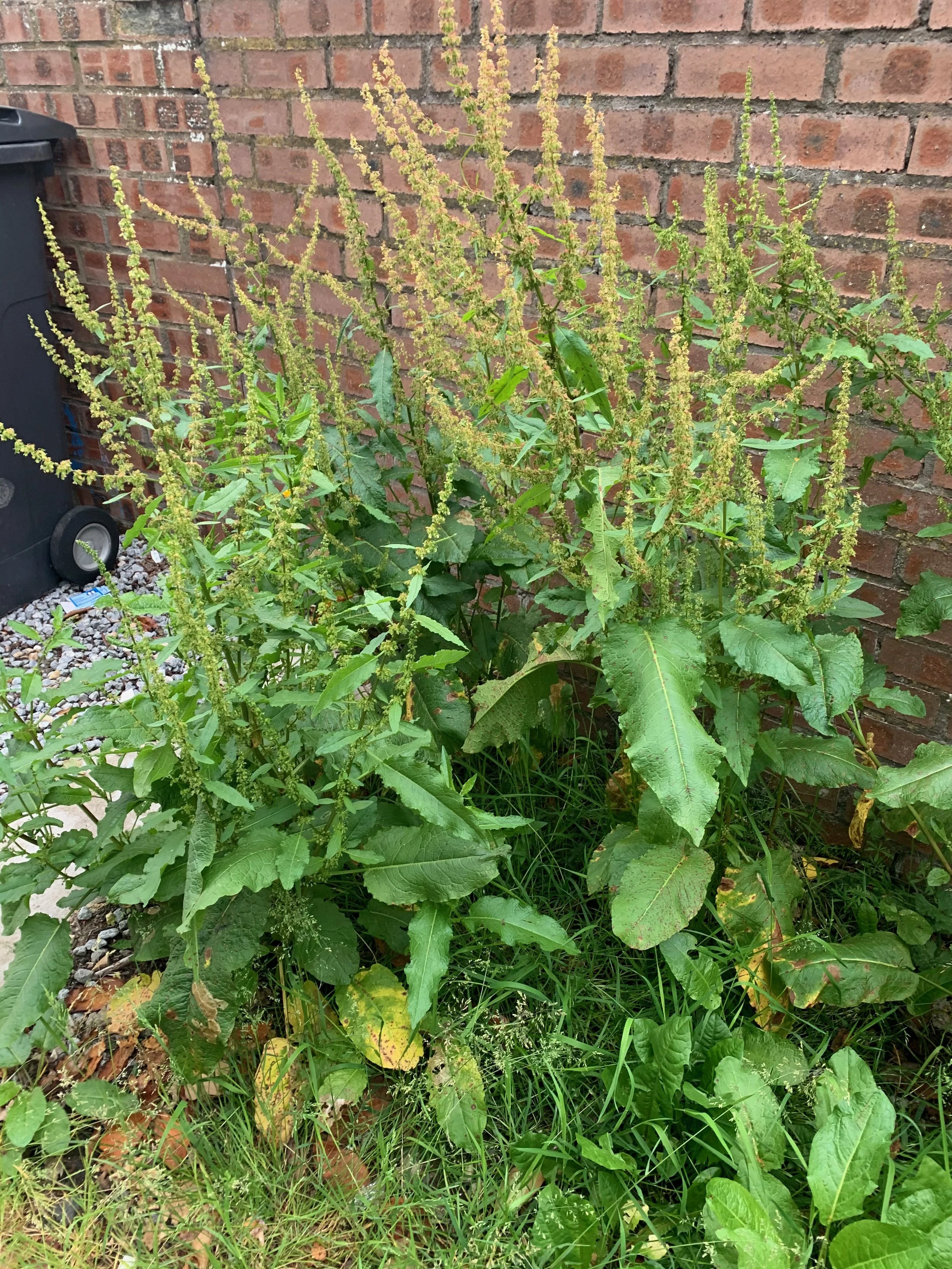
Rumex obtusifolius NS5963 16Jun20 PW
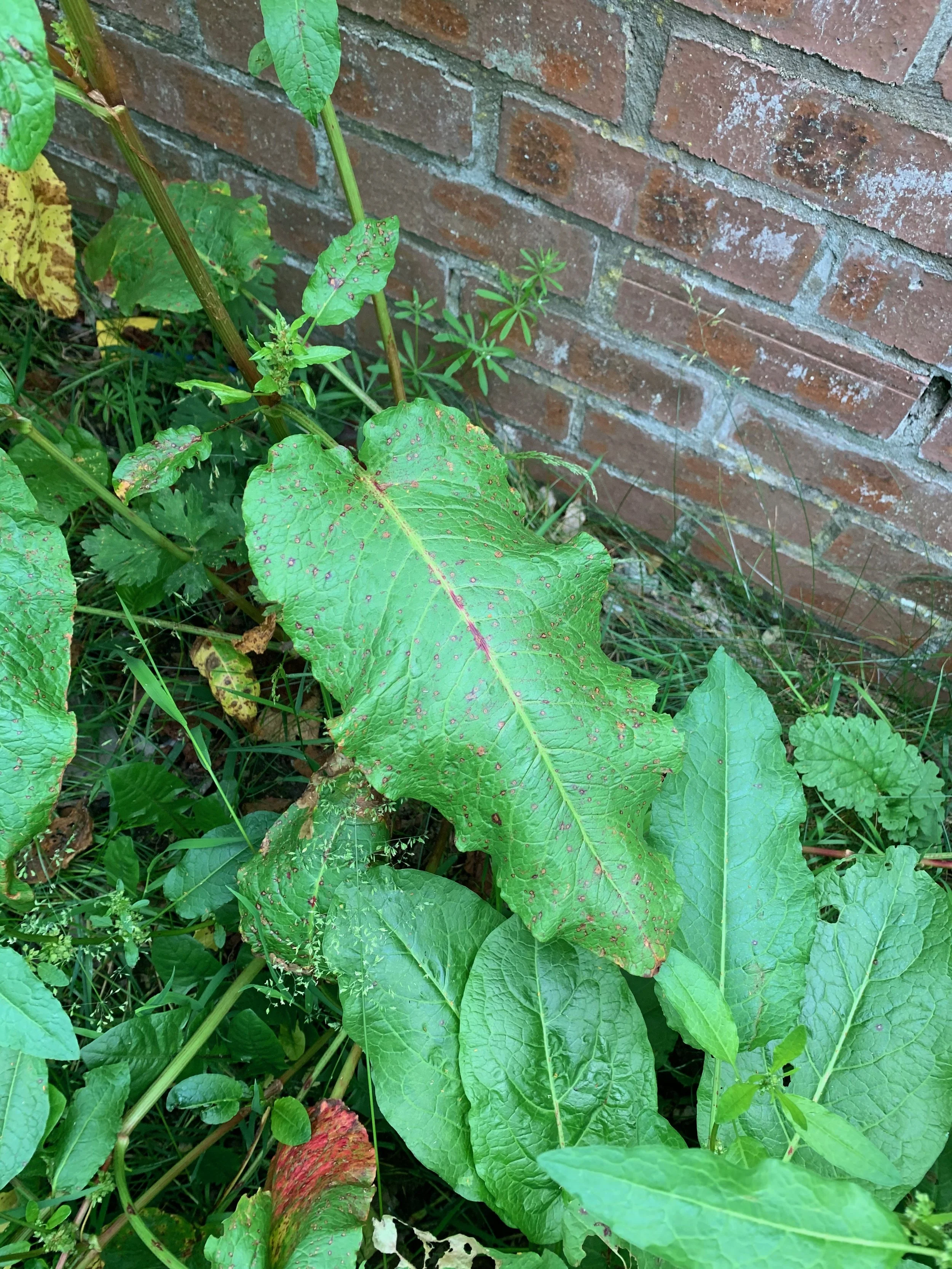
Rumex obtusifolius NS5963 16Jun20 PW
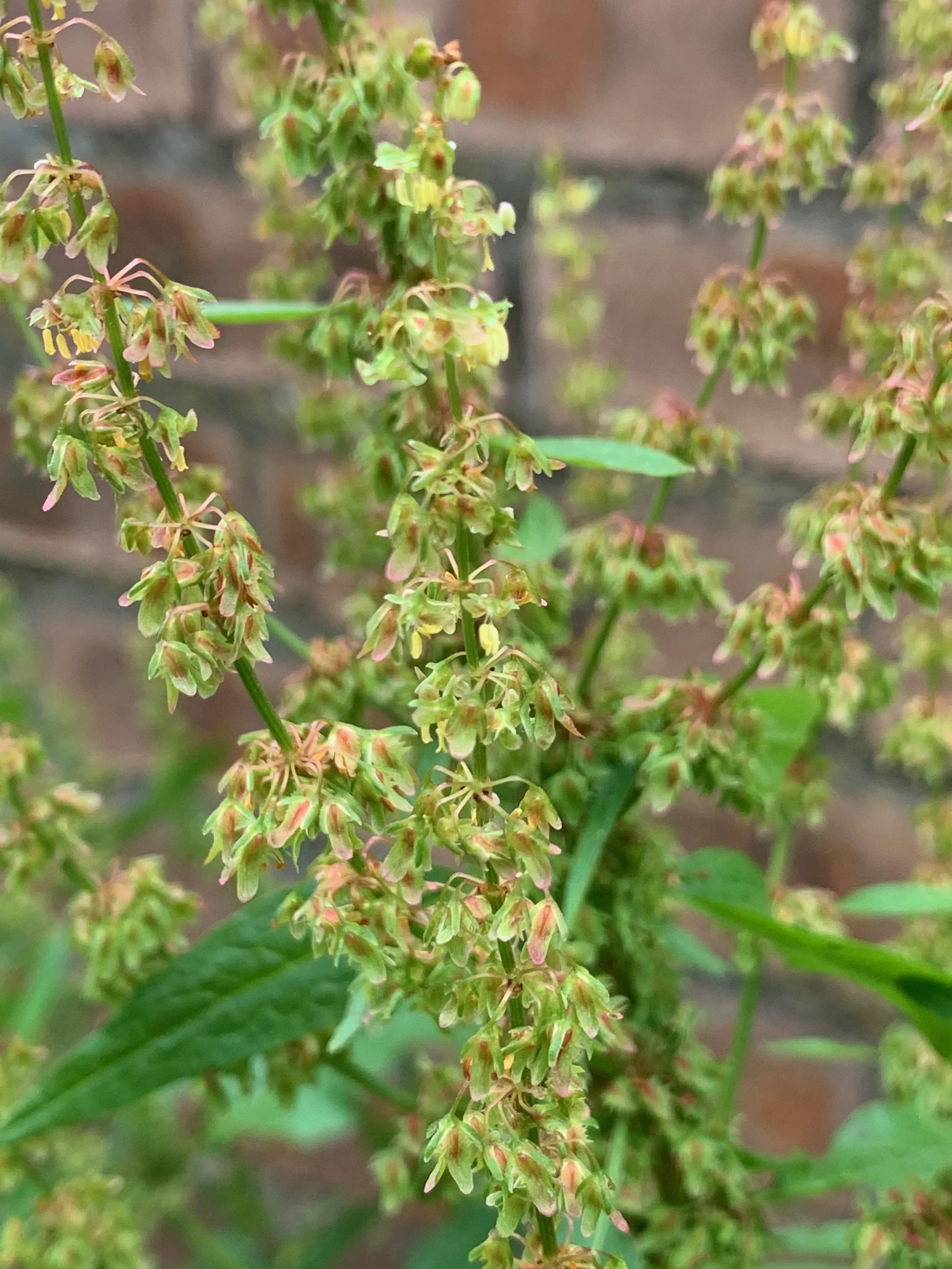
Rumex obtusifolius NS5963 16Jun20 PW
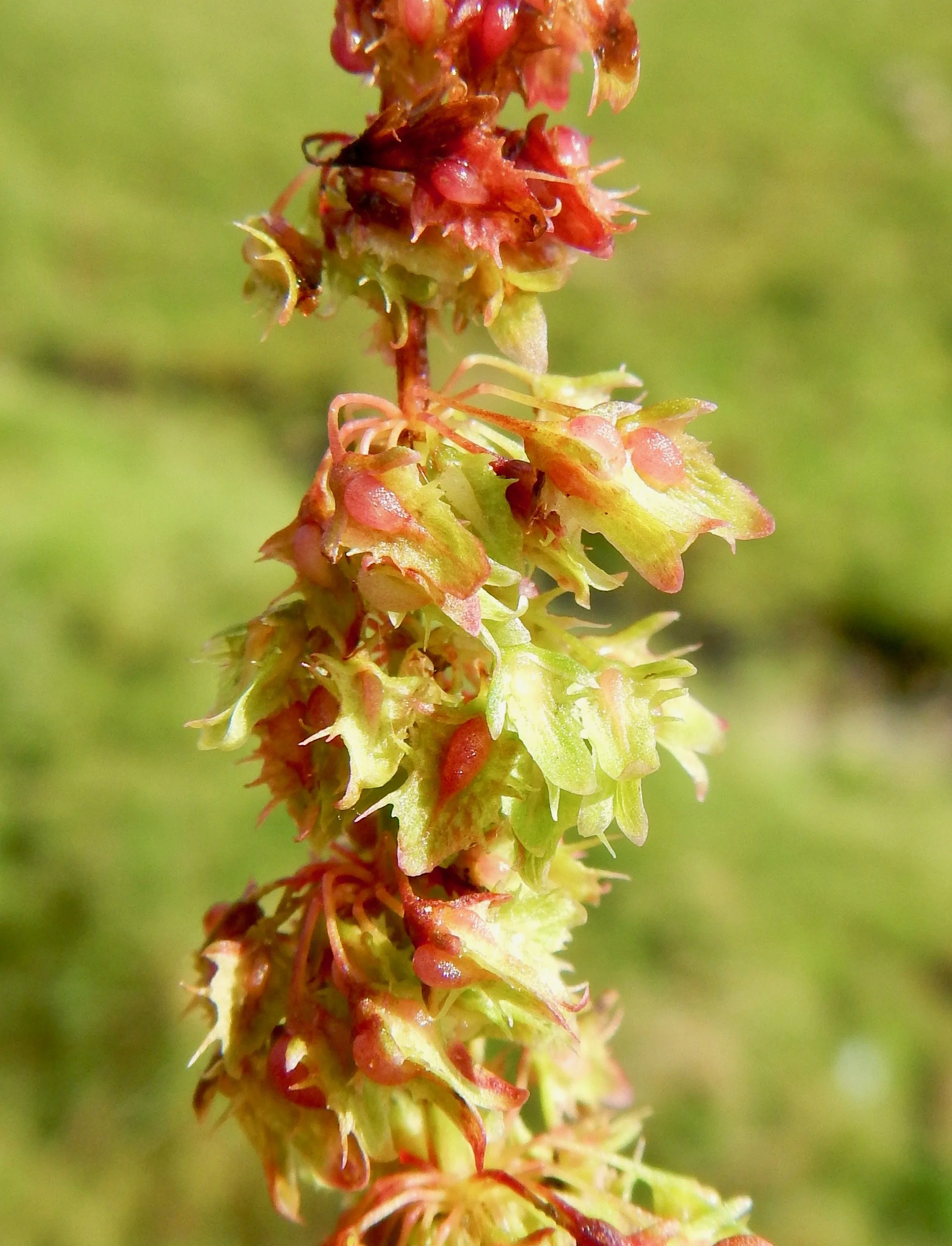
Rumex obtusifolius NS6739 26Aug17 PW

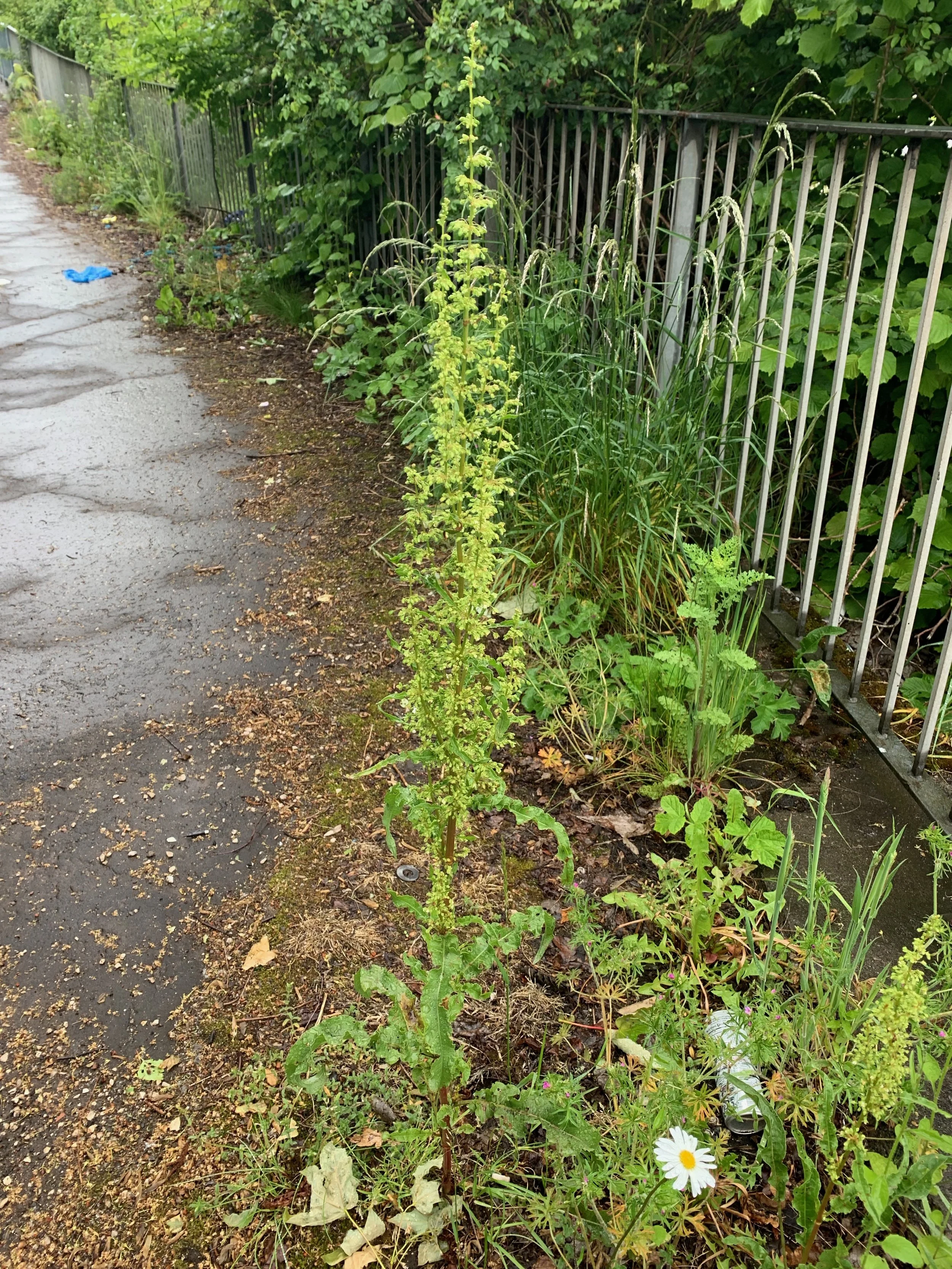
Rumex crispus NS5364 28May19 PW
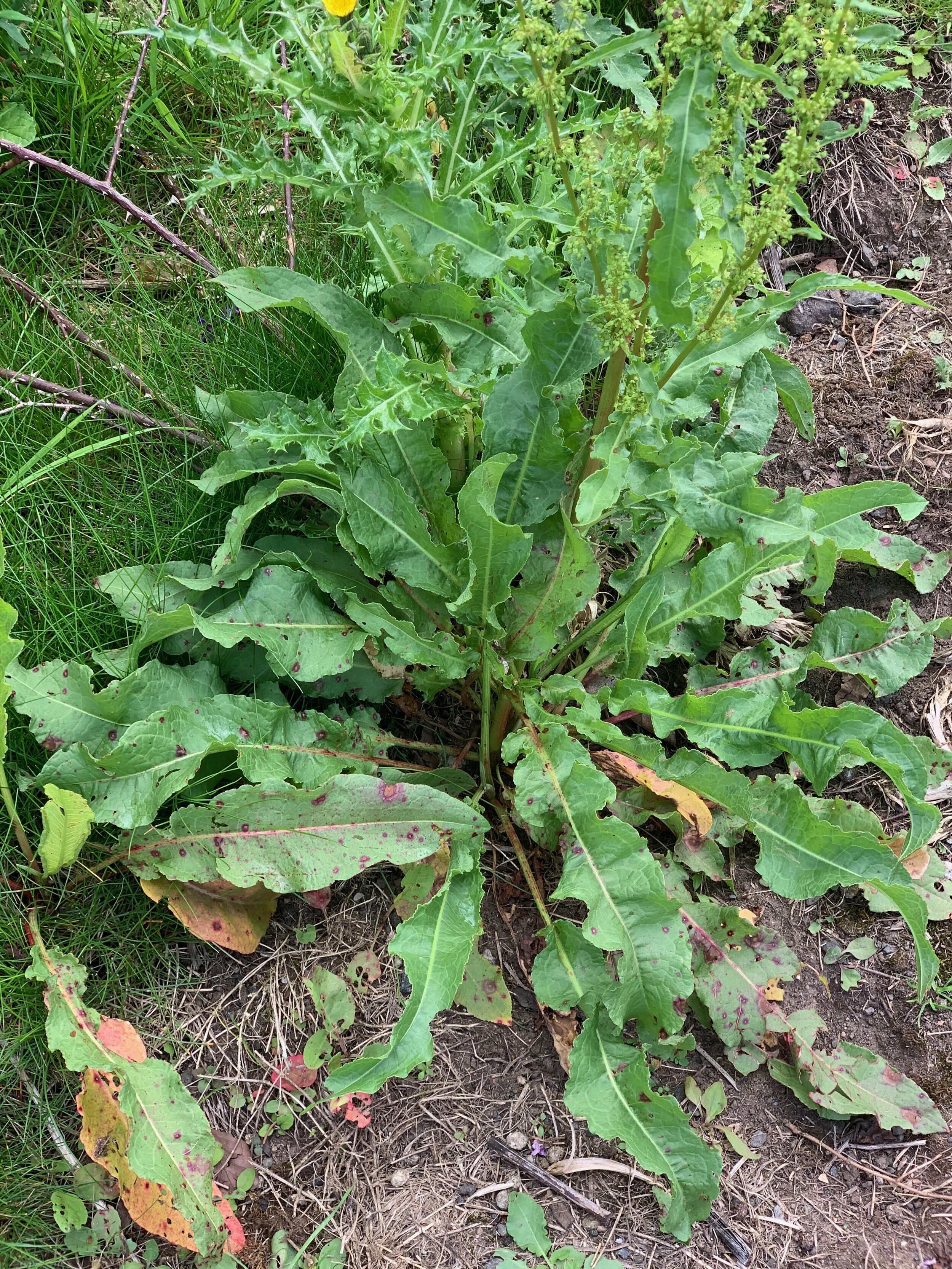
Rumex crispus NS7848 20Jul2020 PW
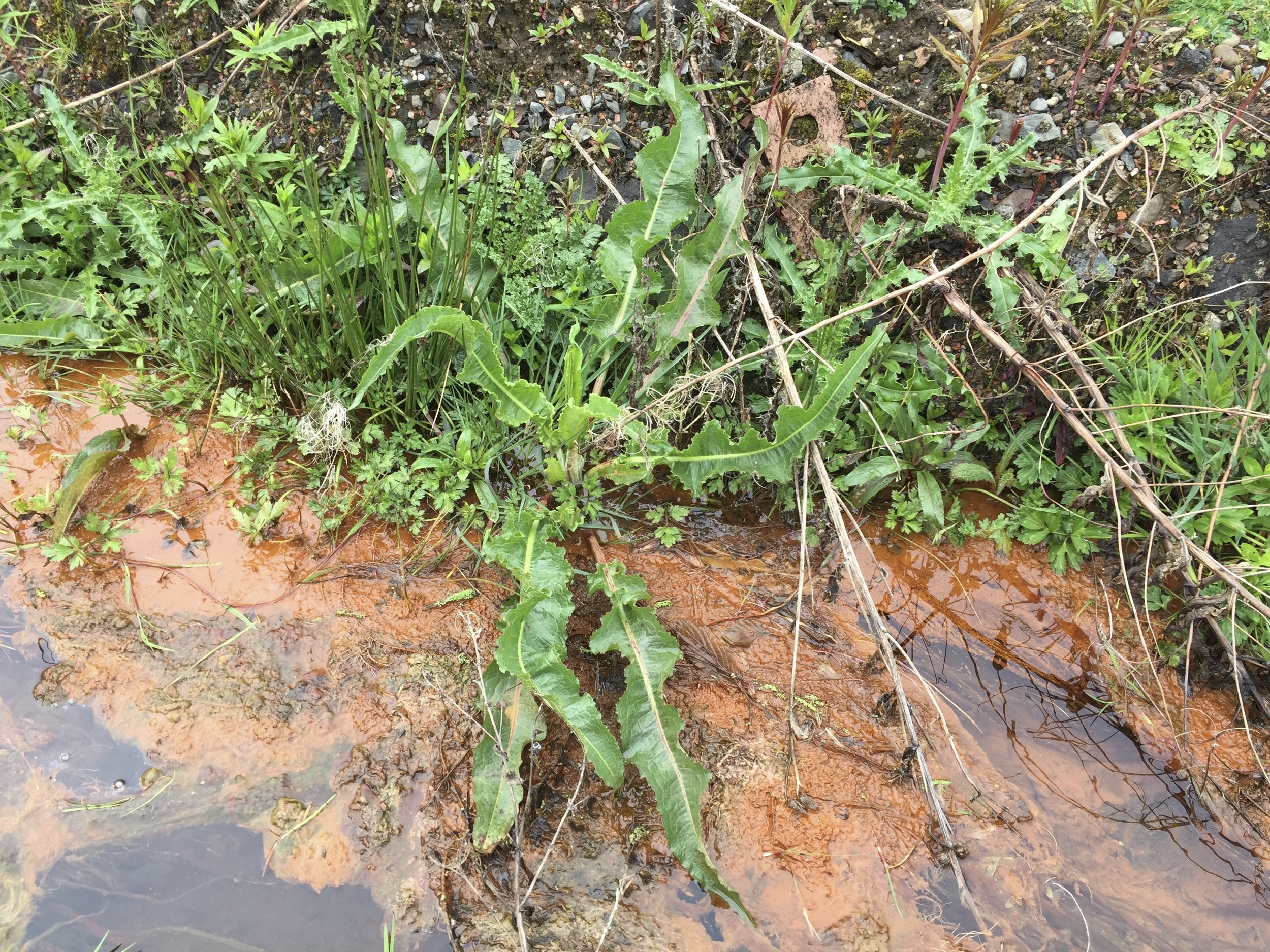
Rumex crispus 16Apr2017 NS7951 MP
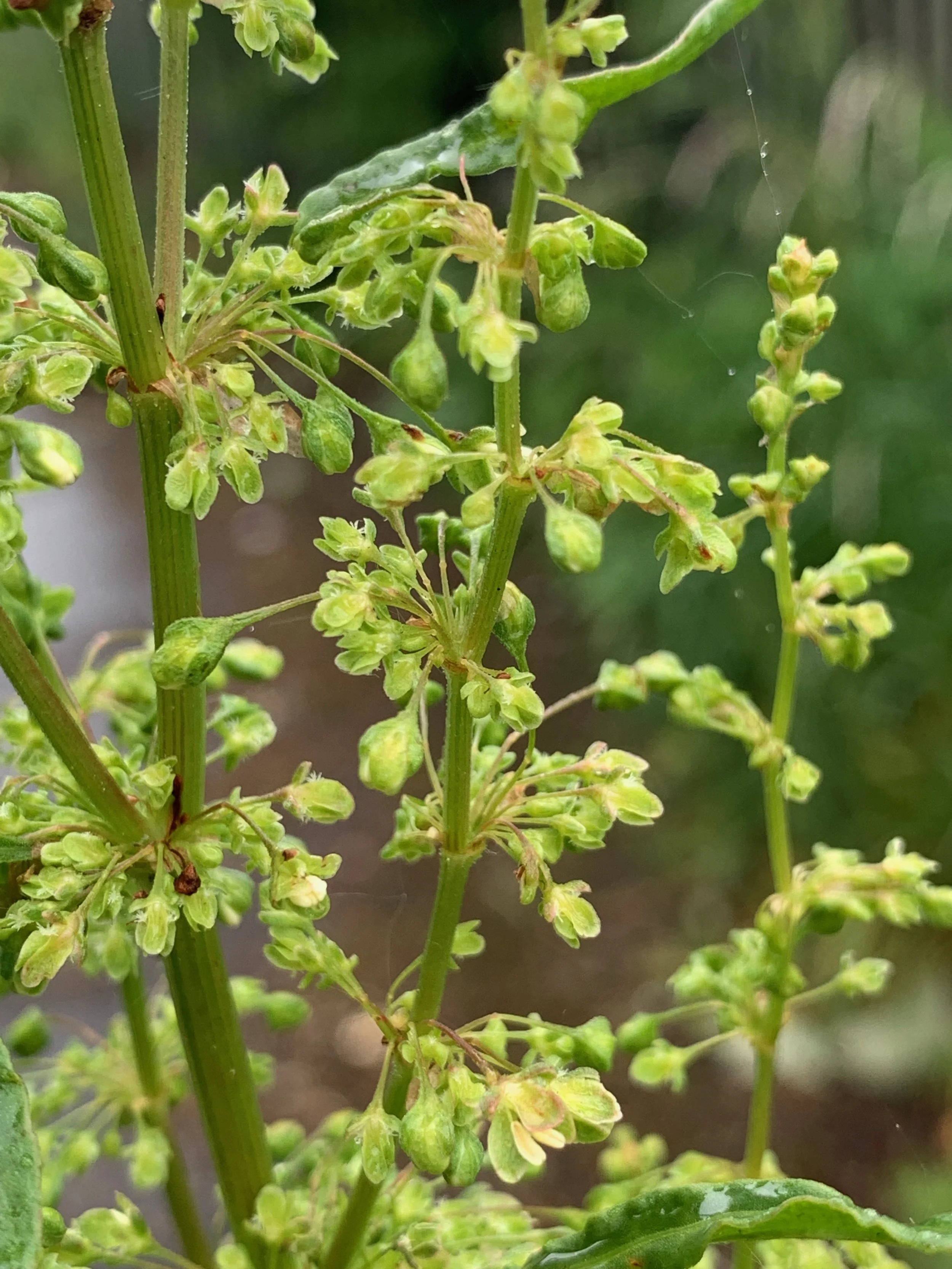
Rumex crispus NS5364 28May19 PW
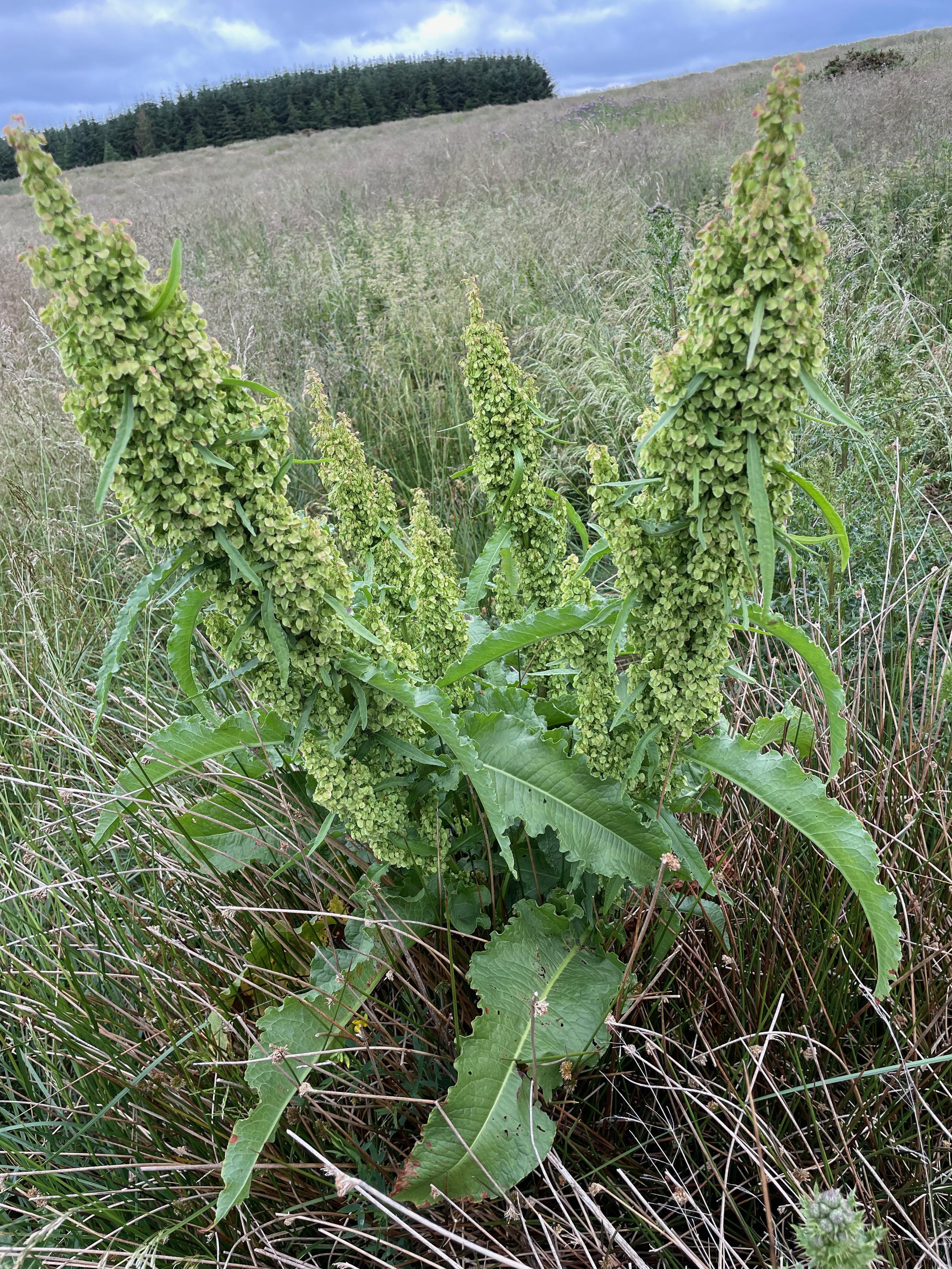
Rumex longifolius NS7771 24Jun23 PW

Rumex longifolius NS 8070 30Sep2017 PW
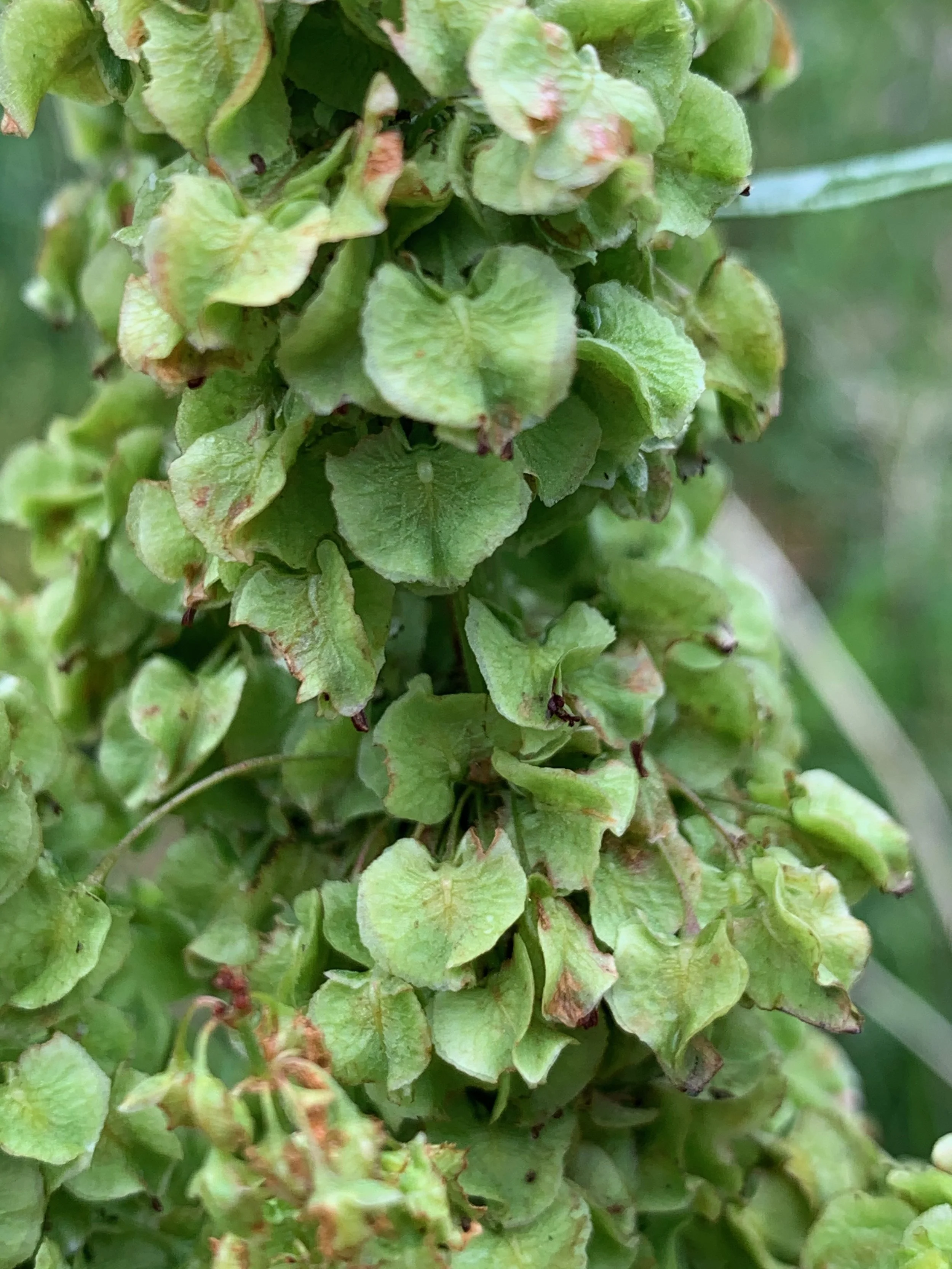
Rumex longifolius NS5954 01July20 PW
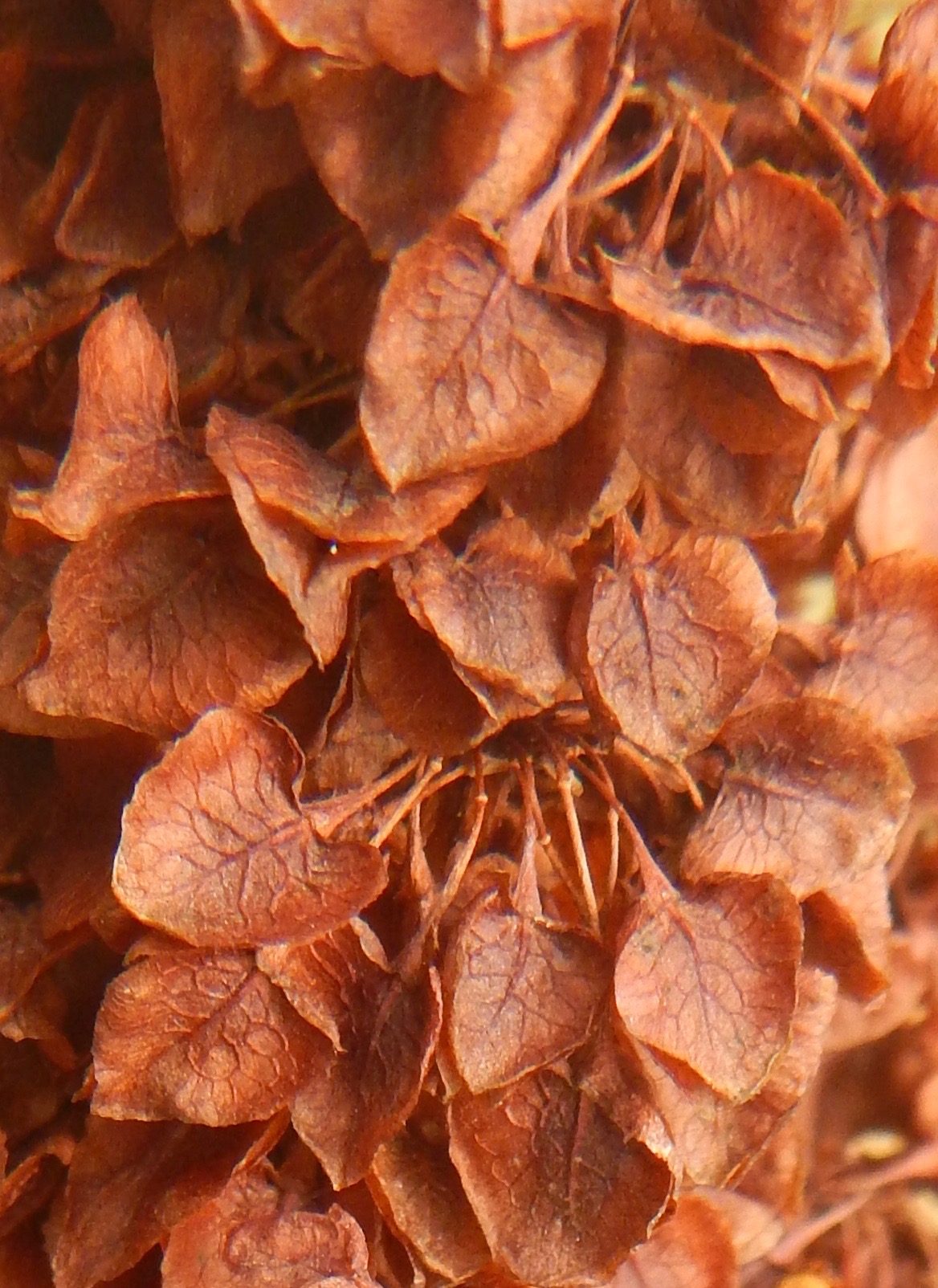
Rumex longifolius NS 8070 30Sep2017 PW
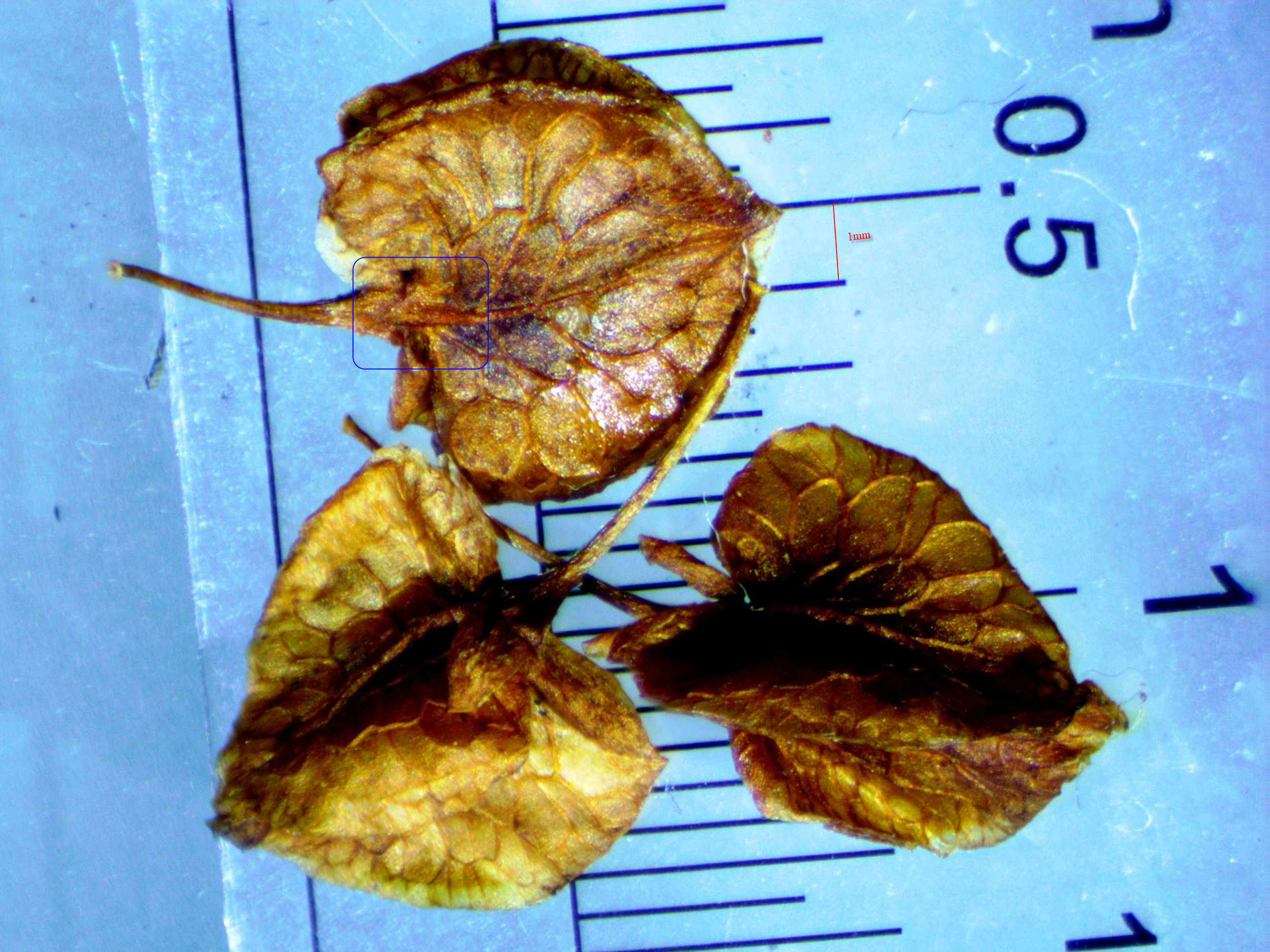
Rumex longifolius NS 8070 30Sep2017 PW
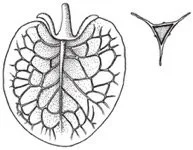
From BSBI Handbook 3, Docks and Knotweeds of Britain and Ireland, J.R. Ackroyd

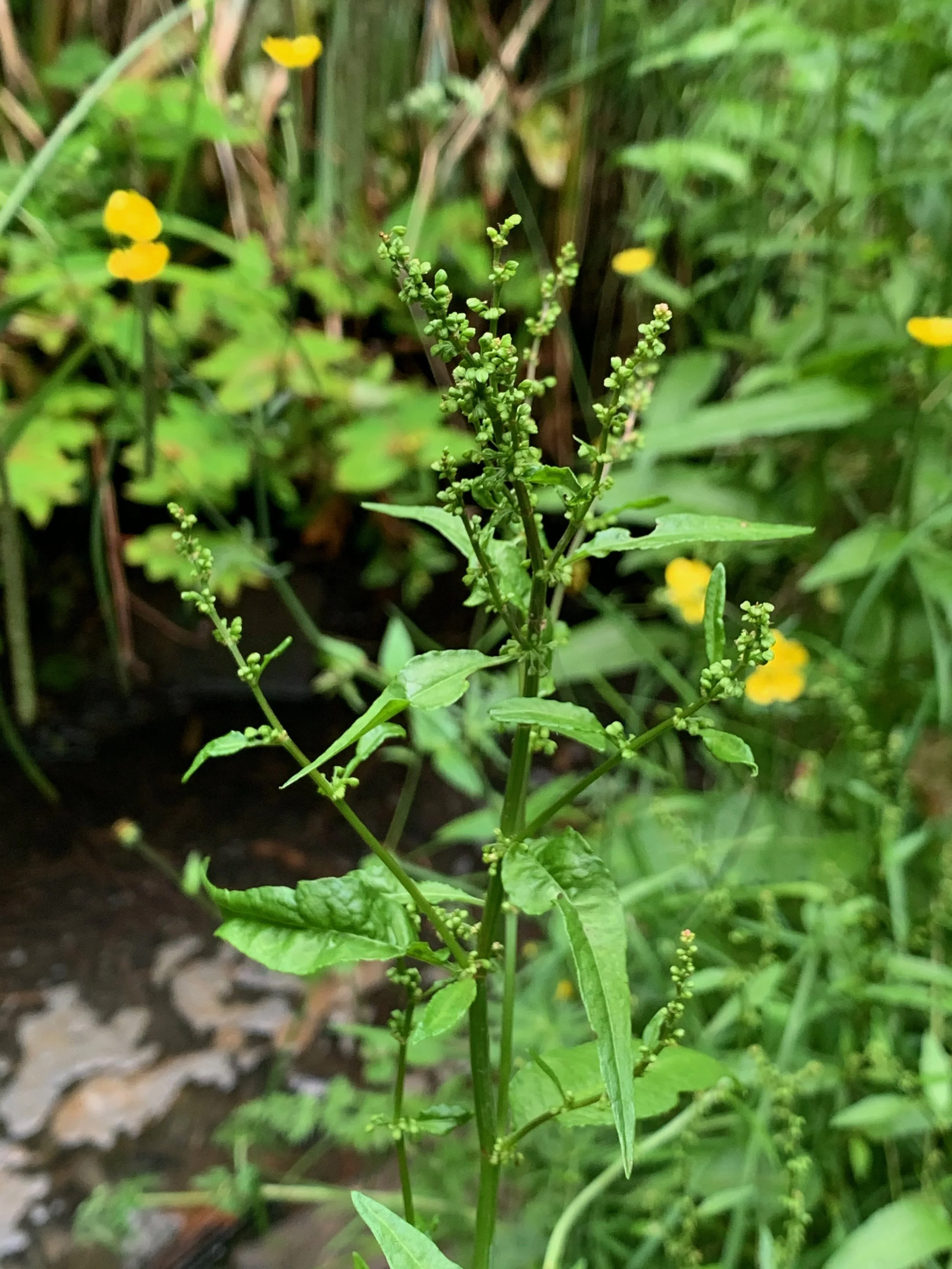
Rumex sanguineus NS5963 16Jun20 PW
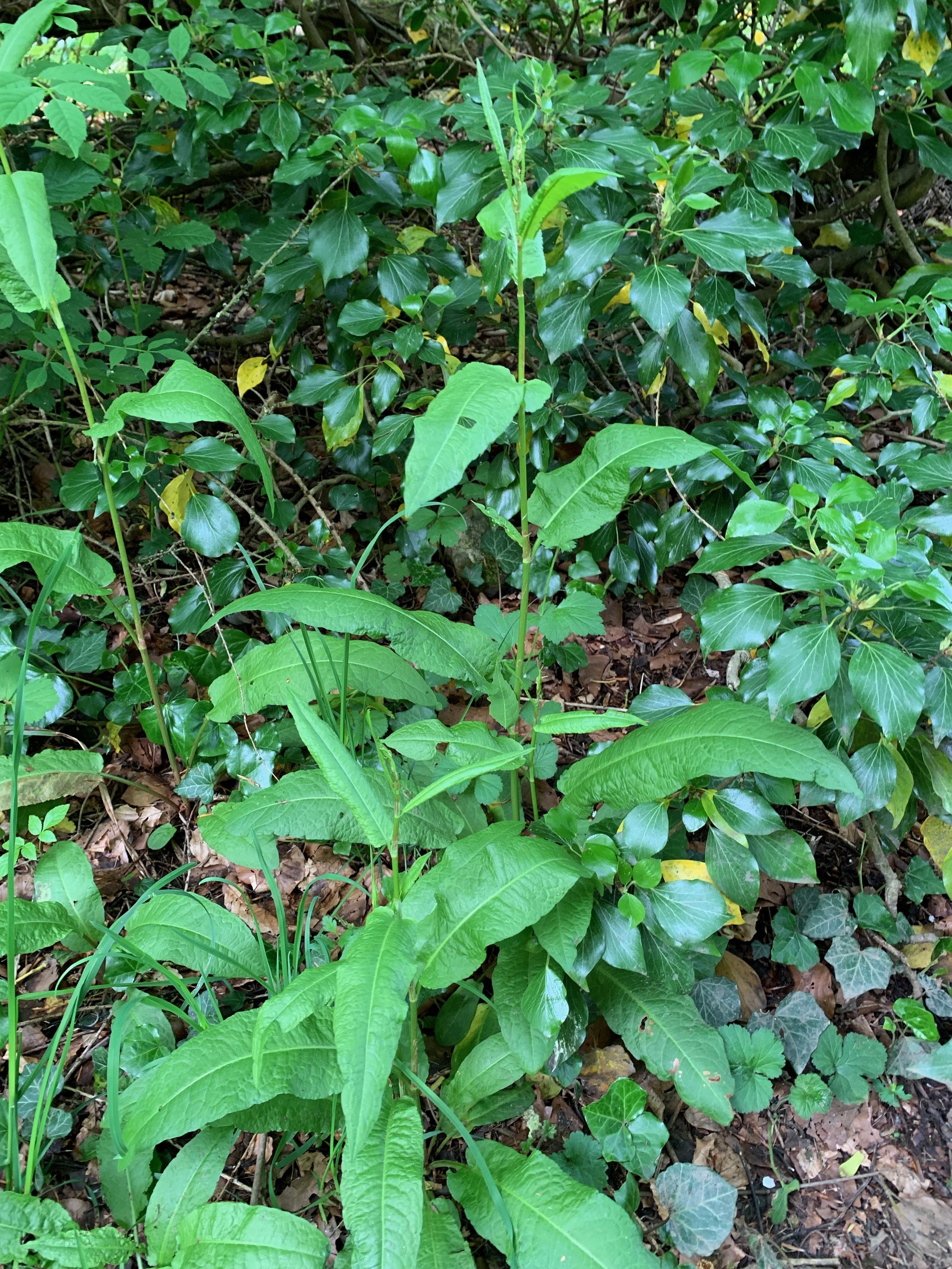
Rumex sanguineus NS5963 16Jun20 PW
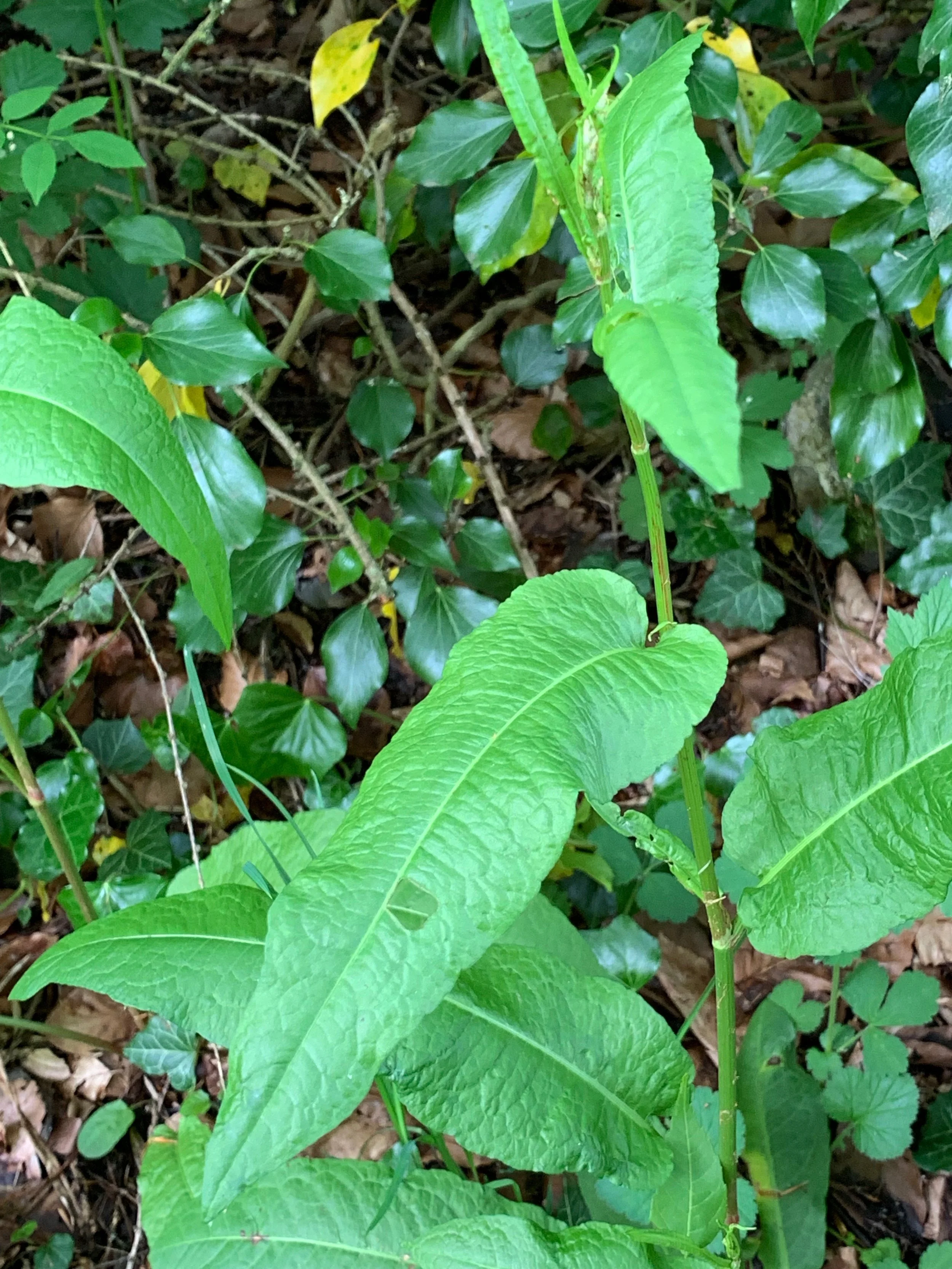
Rumex sanguineus NS5963 16Jun20 PW

Rumex sanguineus NS6739 26Aug2017 PW
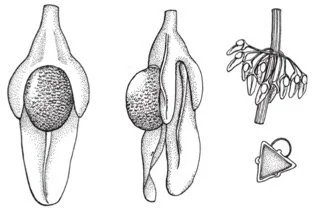
From BSBI Handbook 3, Docks and Knotweeds of Britain and Ireland, J.R. Ackroyd
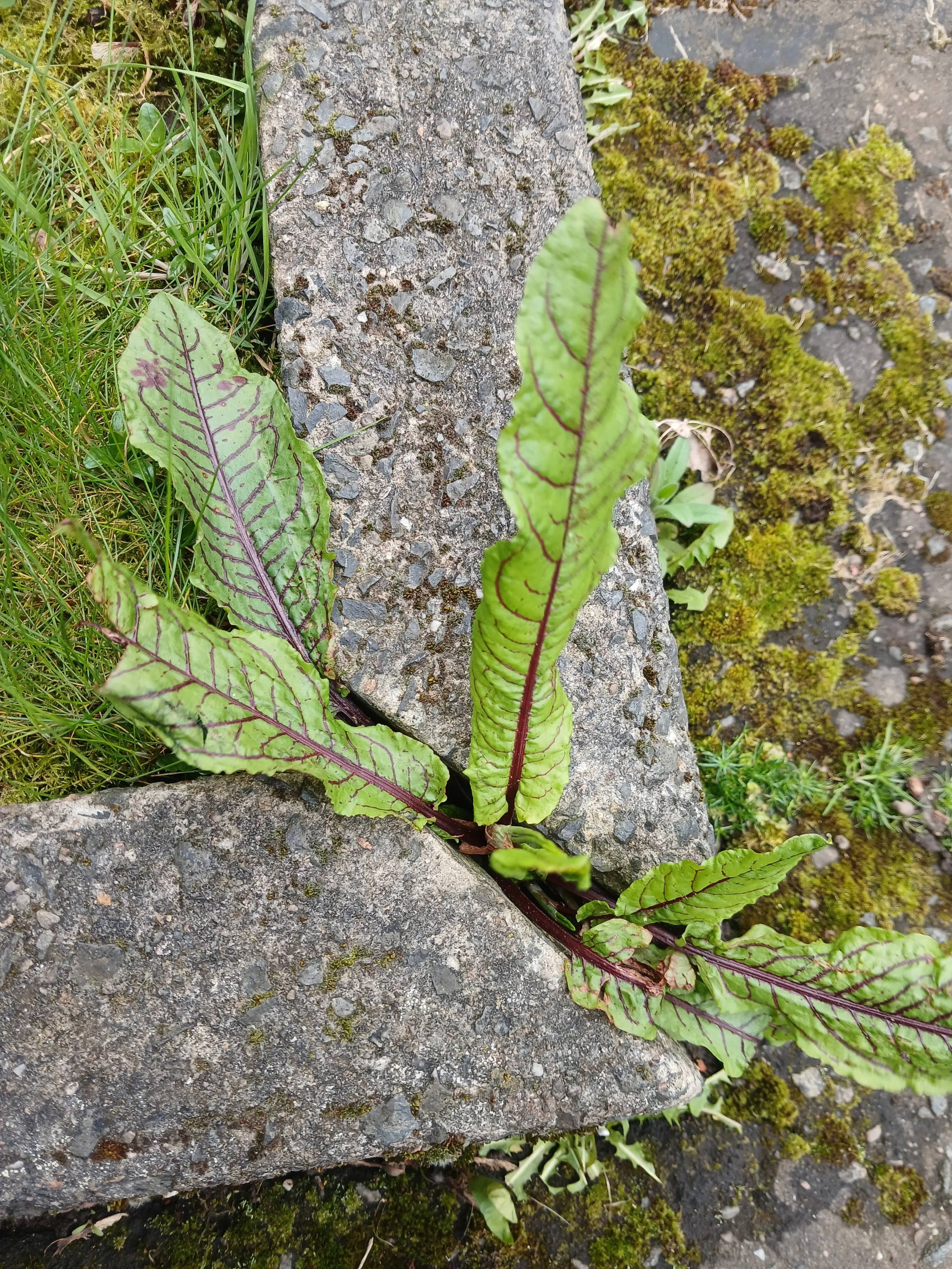
Blood-veined Dock
Rumex sanguineus var. sanguineus NS5965 25Mar26 MM
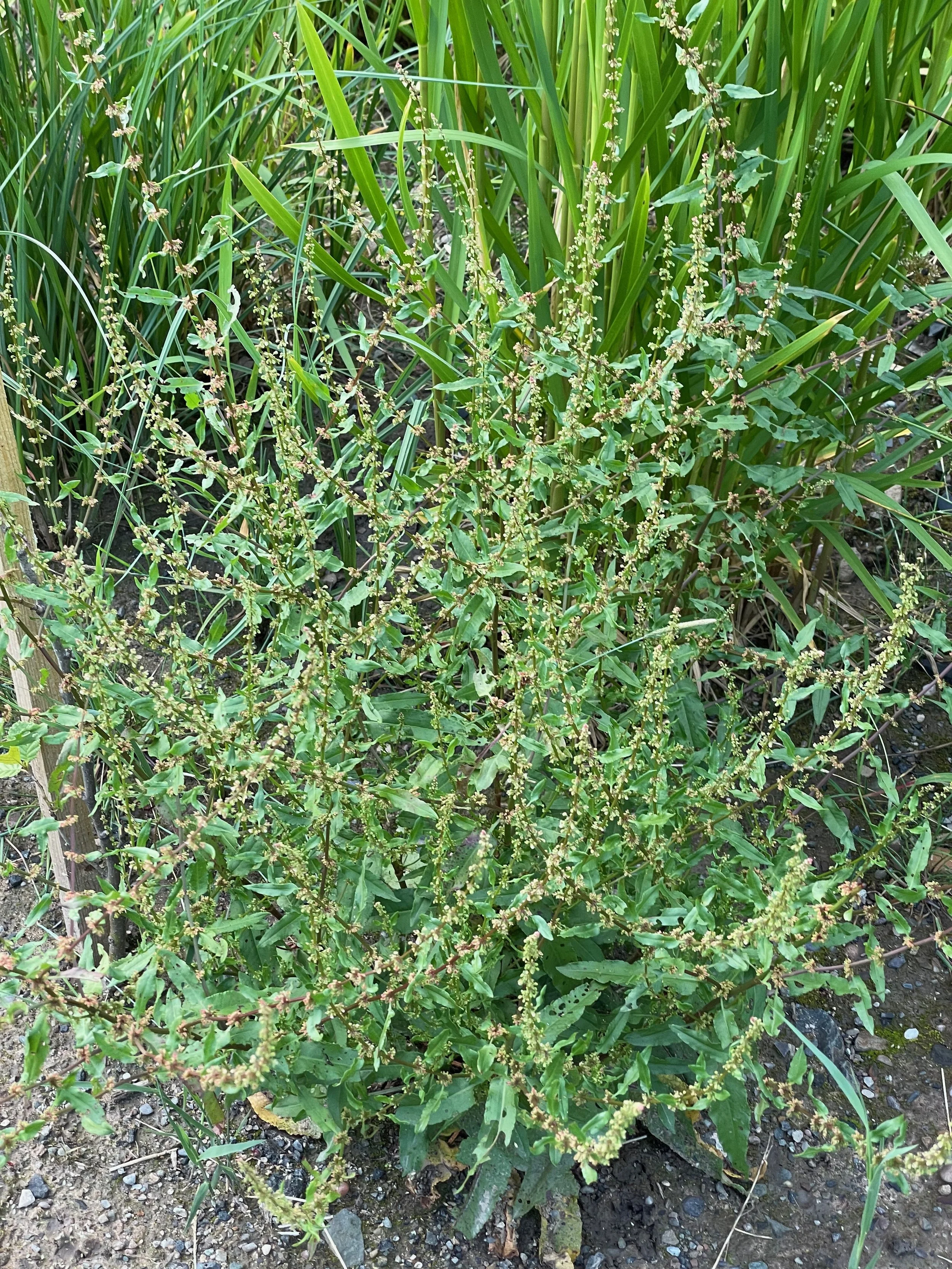
Rumex conglomeratus NS5857 07July21 PW

Rumex conglomeratus NS5664 21Oct2018 PW
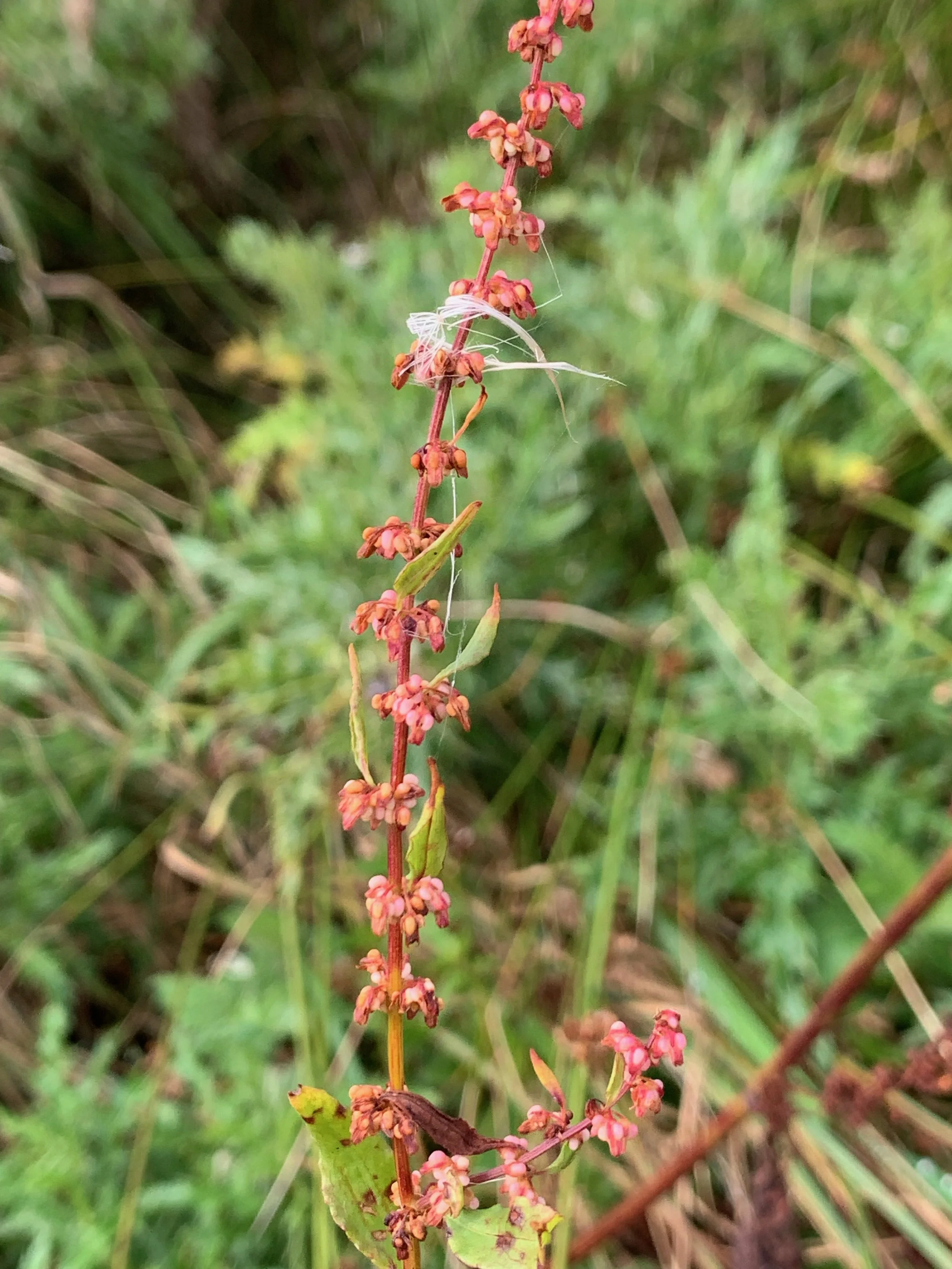
Rumex conglomeratus NS5670 01Sep19 PW
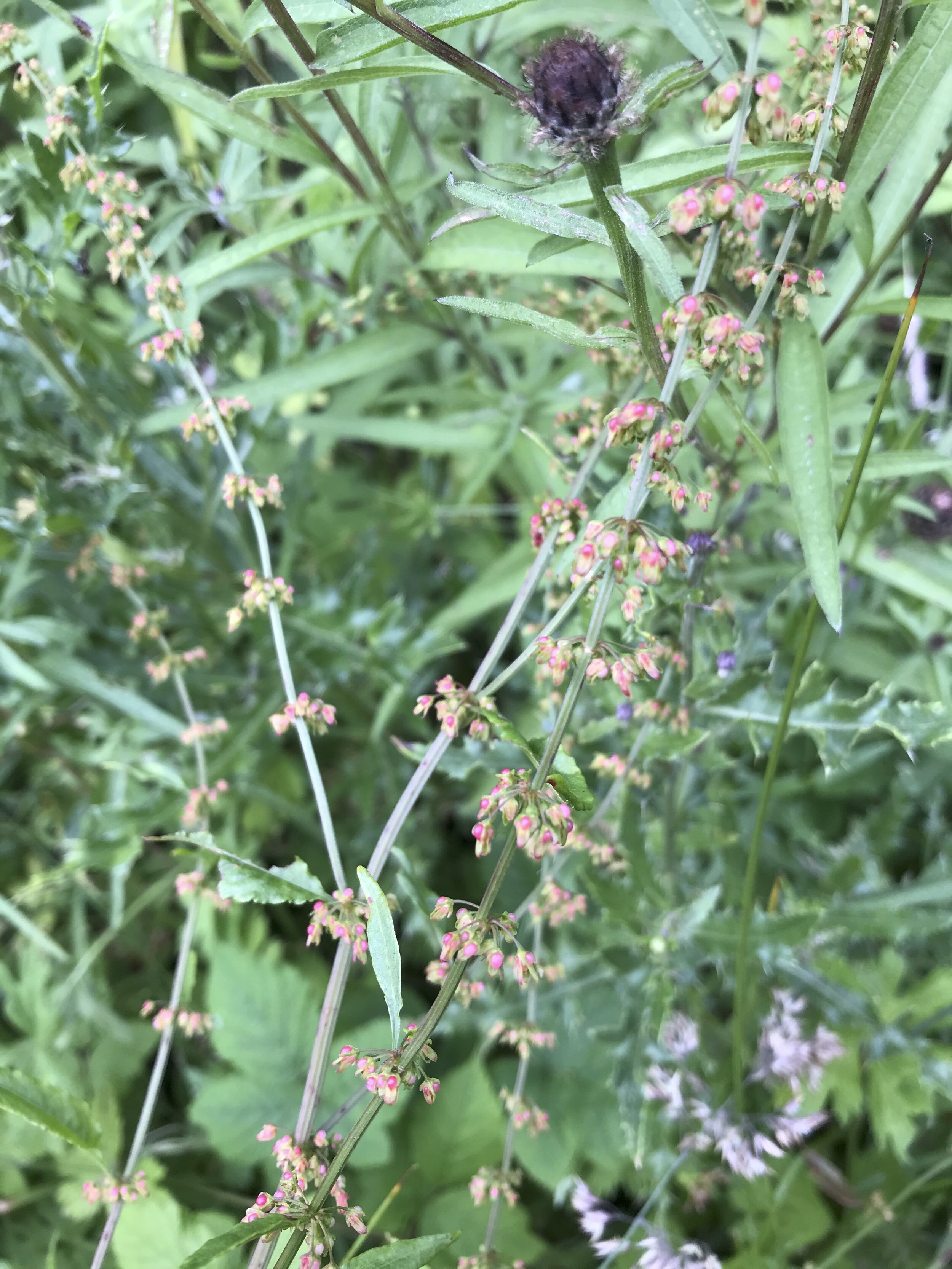
Rumex conglomeratus NS7949 3Aug2020 MP
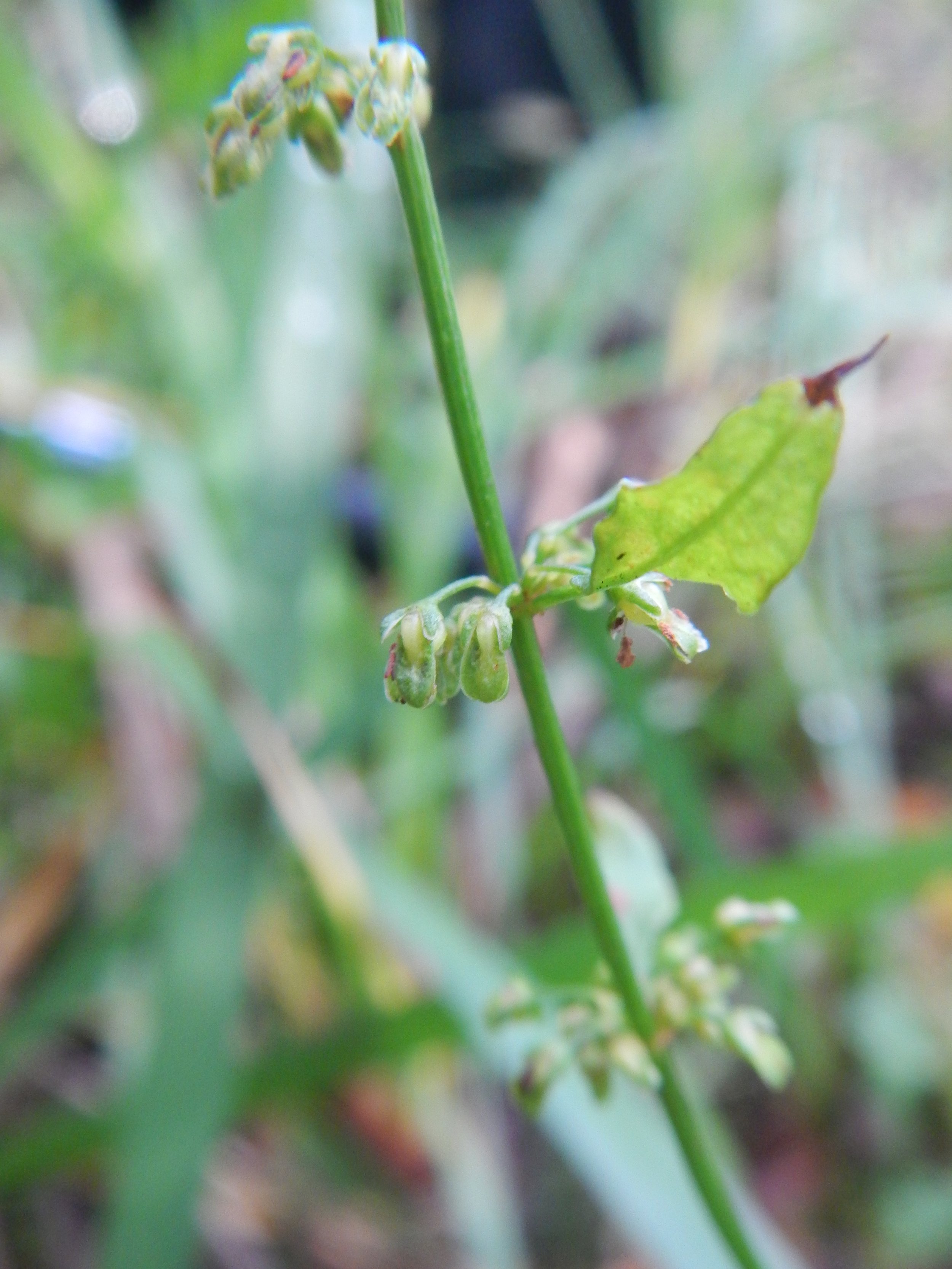
Rumex conglomeratus NS5664 21Oct2018 PW
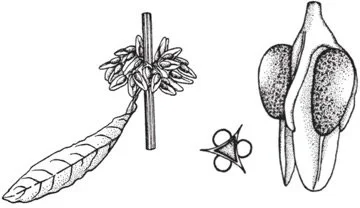
From BSBI Handbook 3, Docks and Knotweeds of Britain and Ireland, J.R. Ackroyd
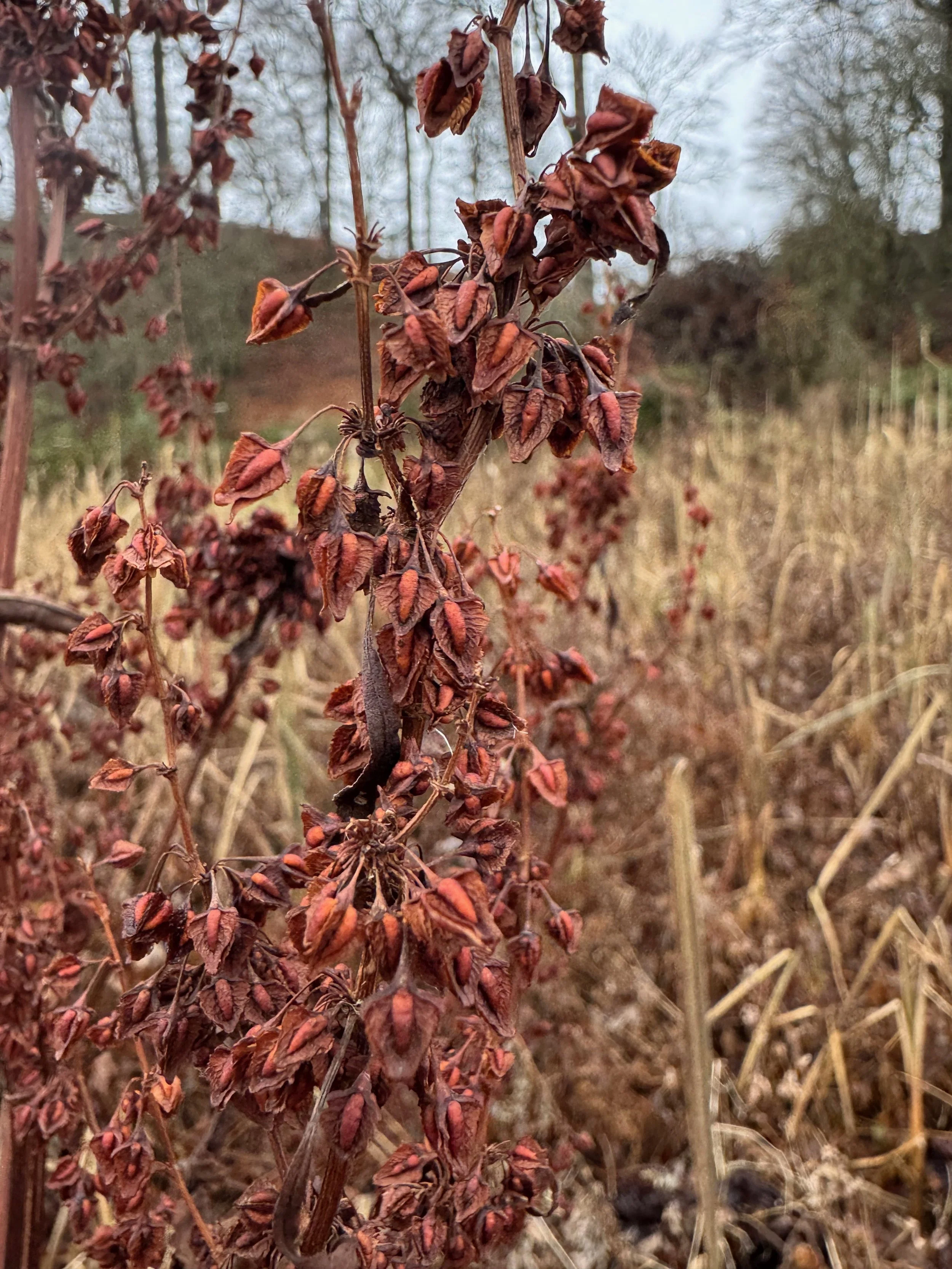
Rumex hydrolapathum NS6661 27Nov25 PW
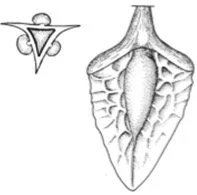
From BSBI Handbook 3, Docks and Knotweeds of Britain and Ireland, J.R. Ackroyd
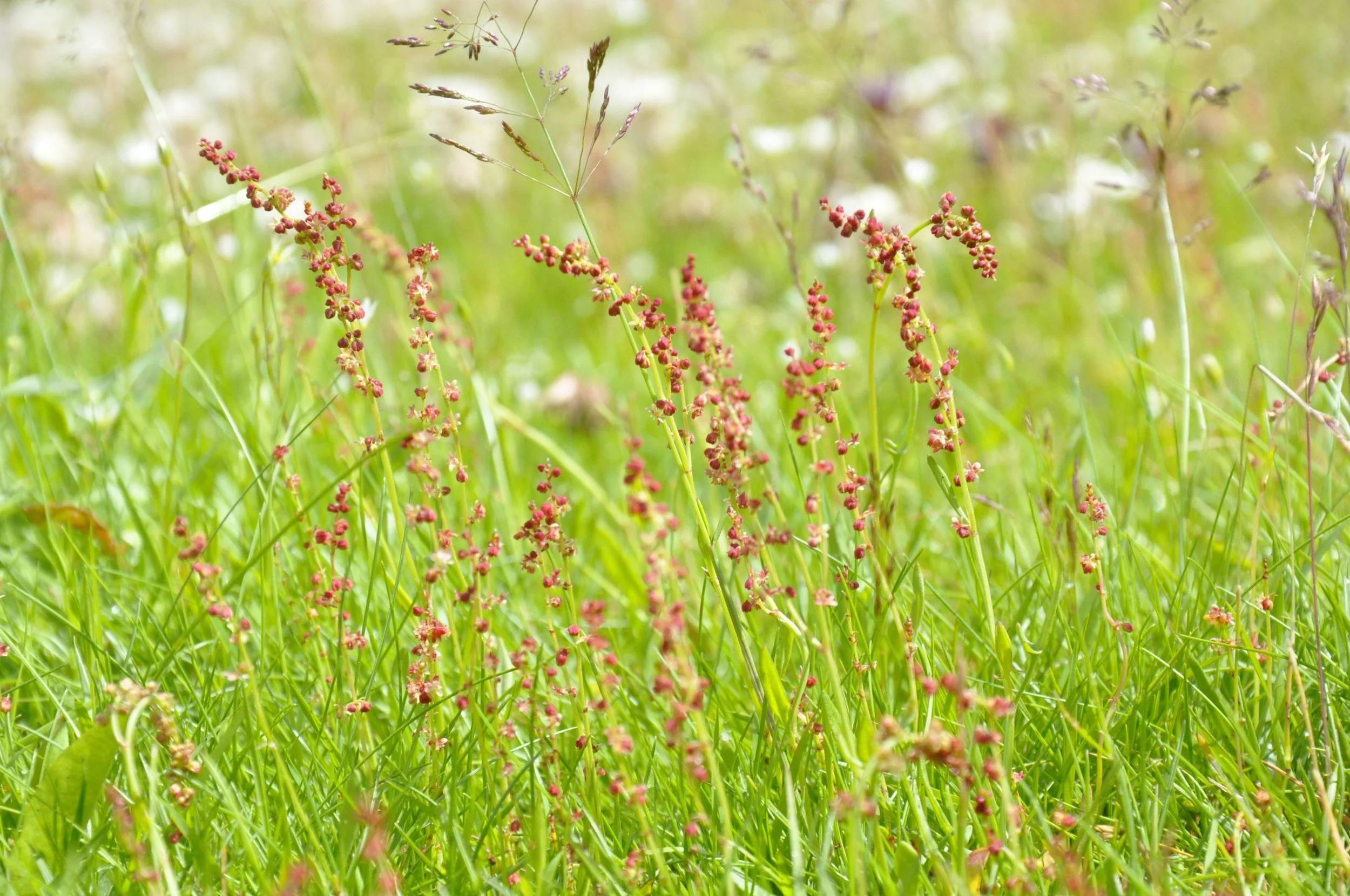
Rumex acetosa NS8549 5July20 DG
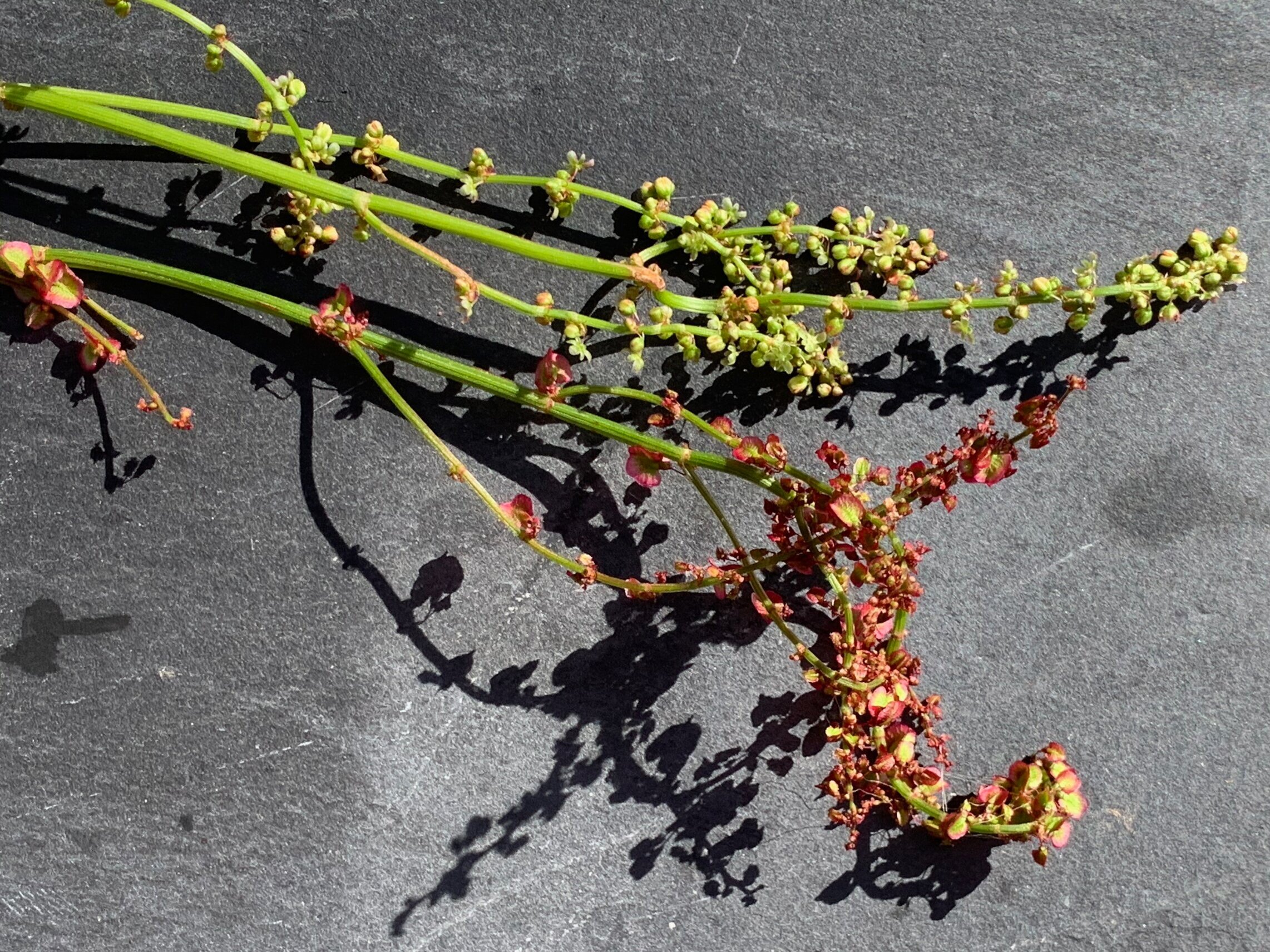
Rumex acetosa NS8761 13May2018 PW
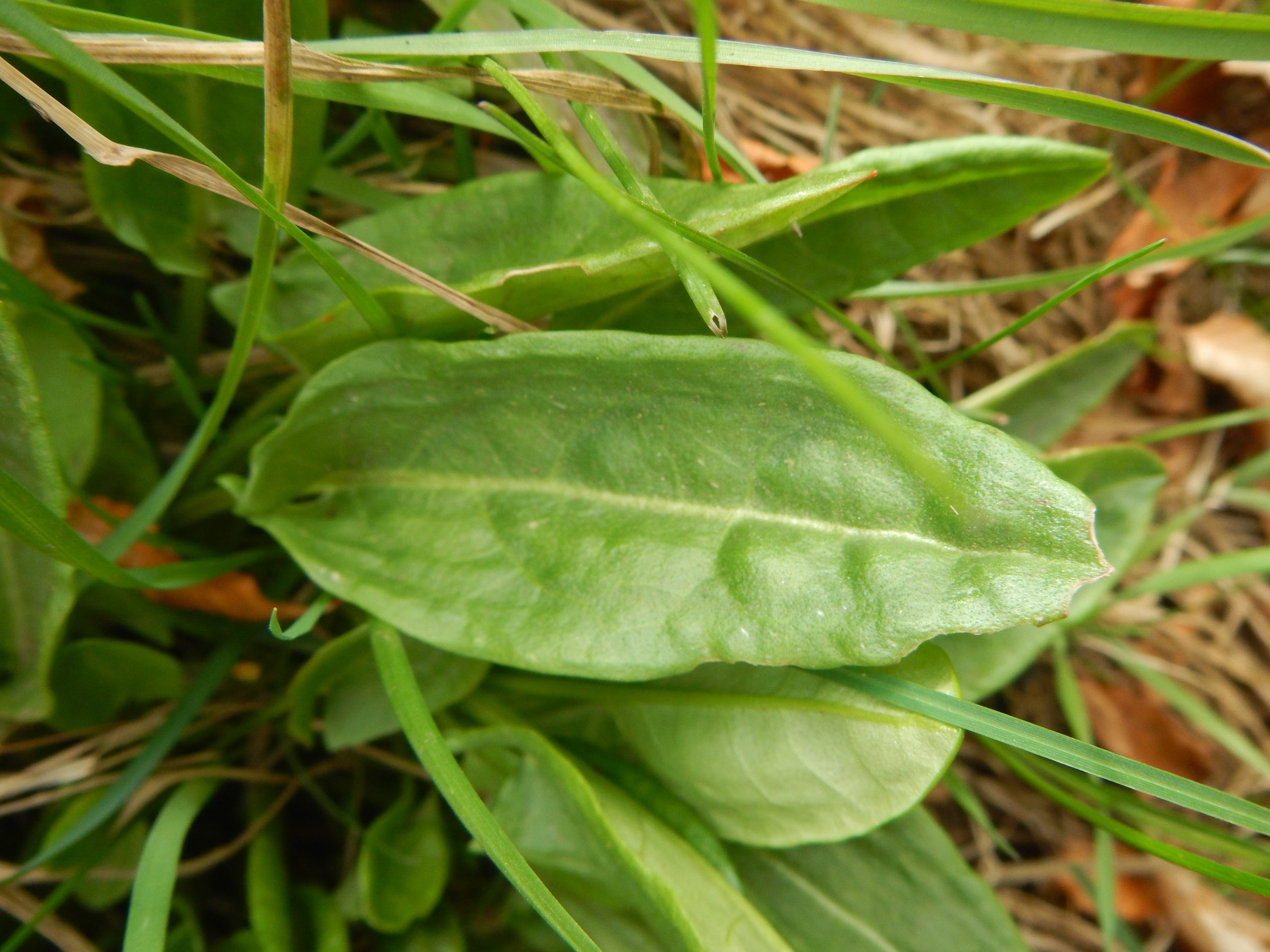
Note the inward pointing basal lobes.
Rumex acetosa NT0057 6May18 PW
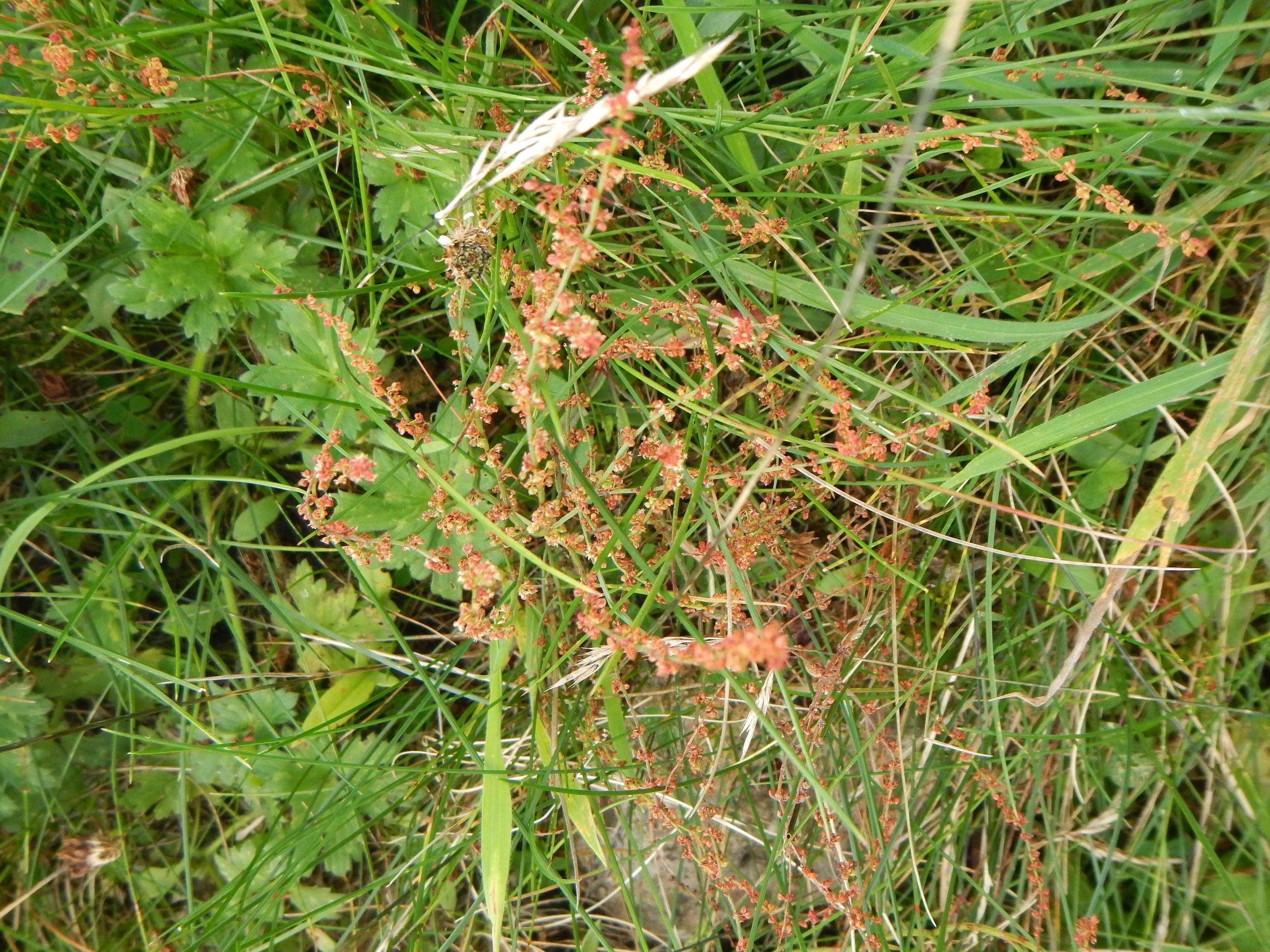
Rumex acetosella NS8070 30Sep17 PW
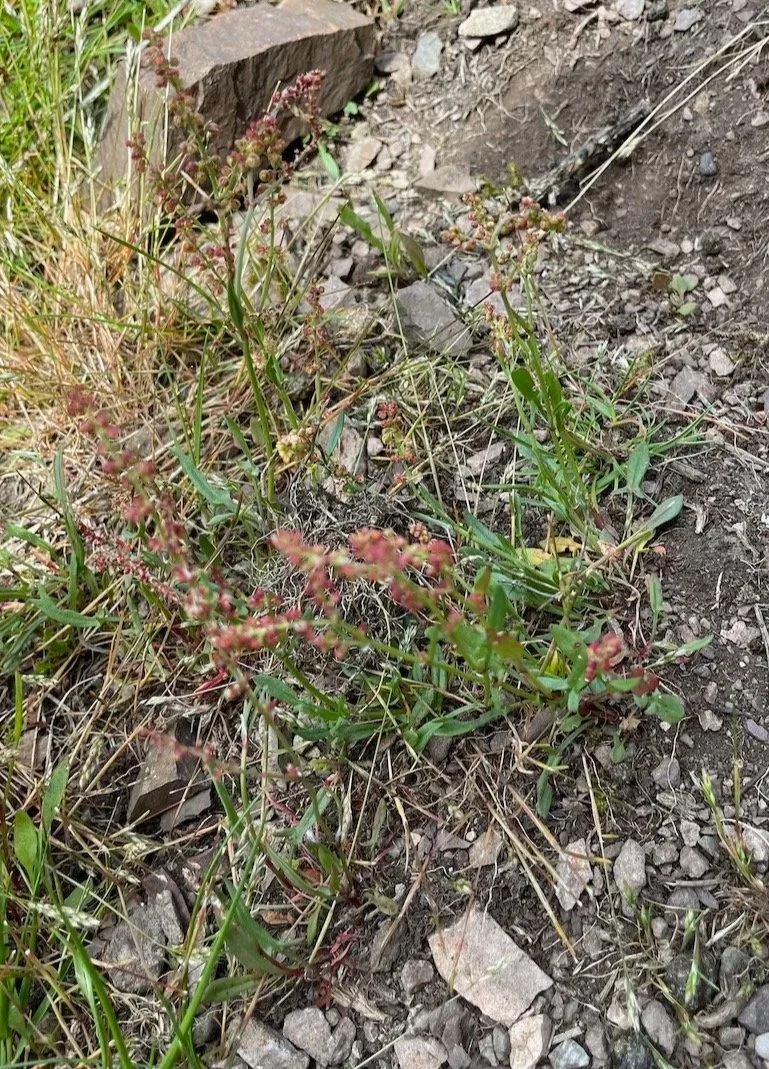
Rumex acetosella NS8070 30Sep17 PW
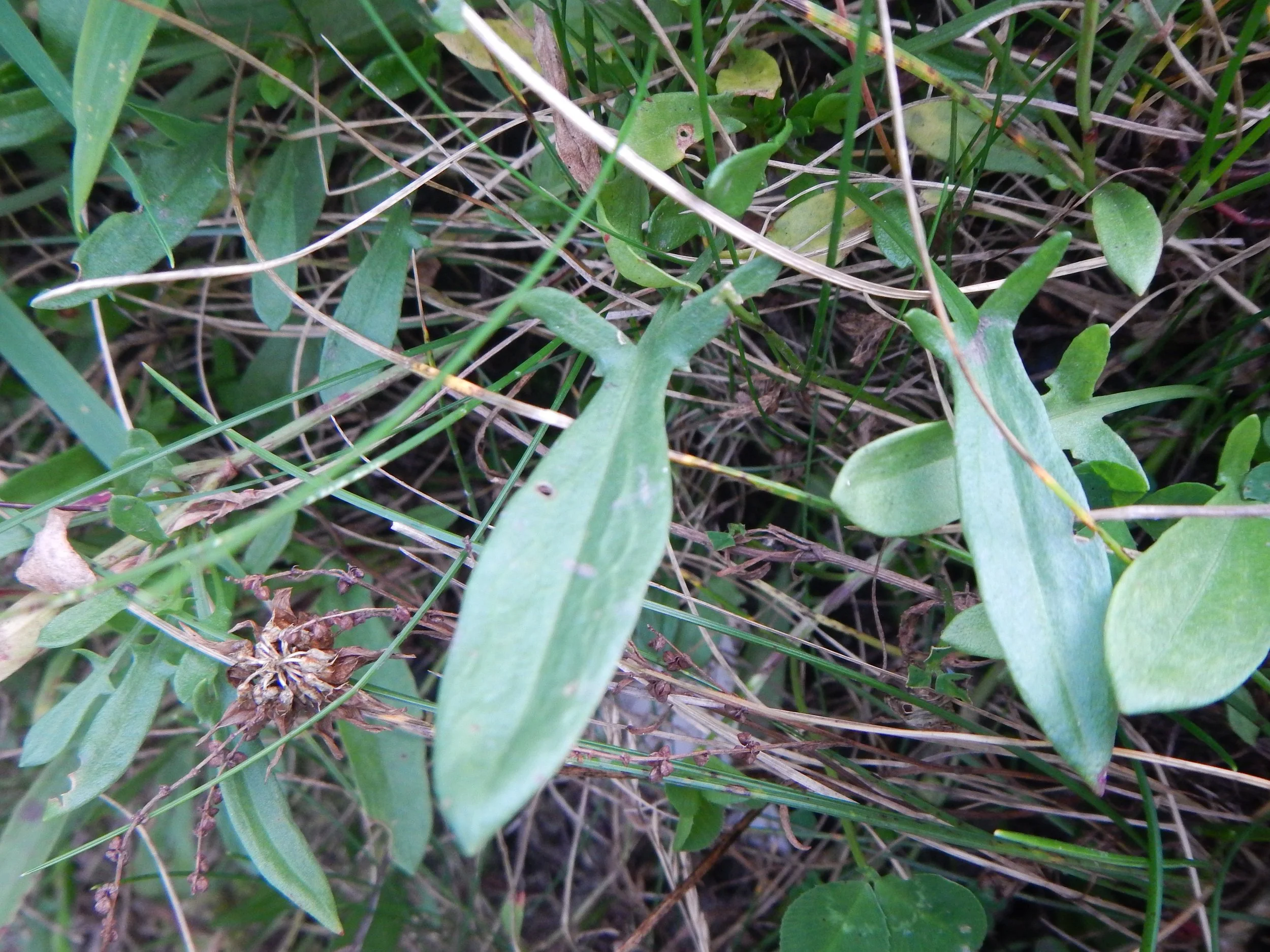
Rumex acetosella NS8070 30Sep17 PW
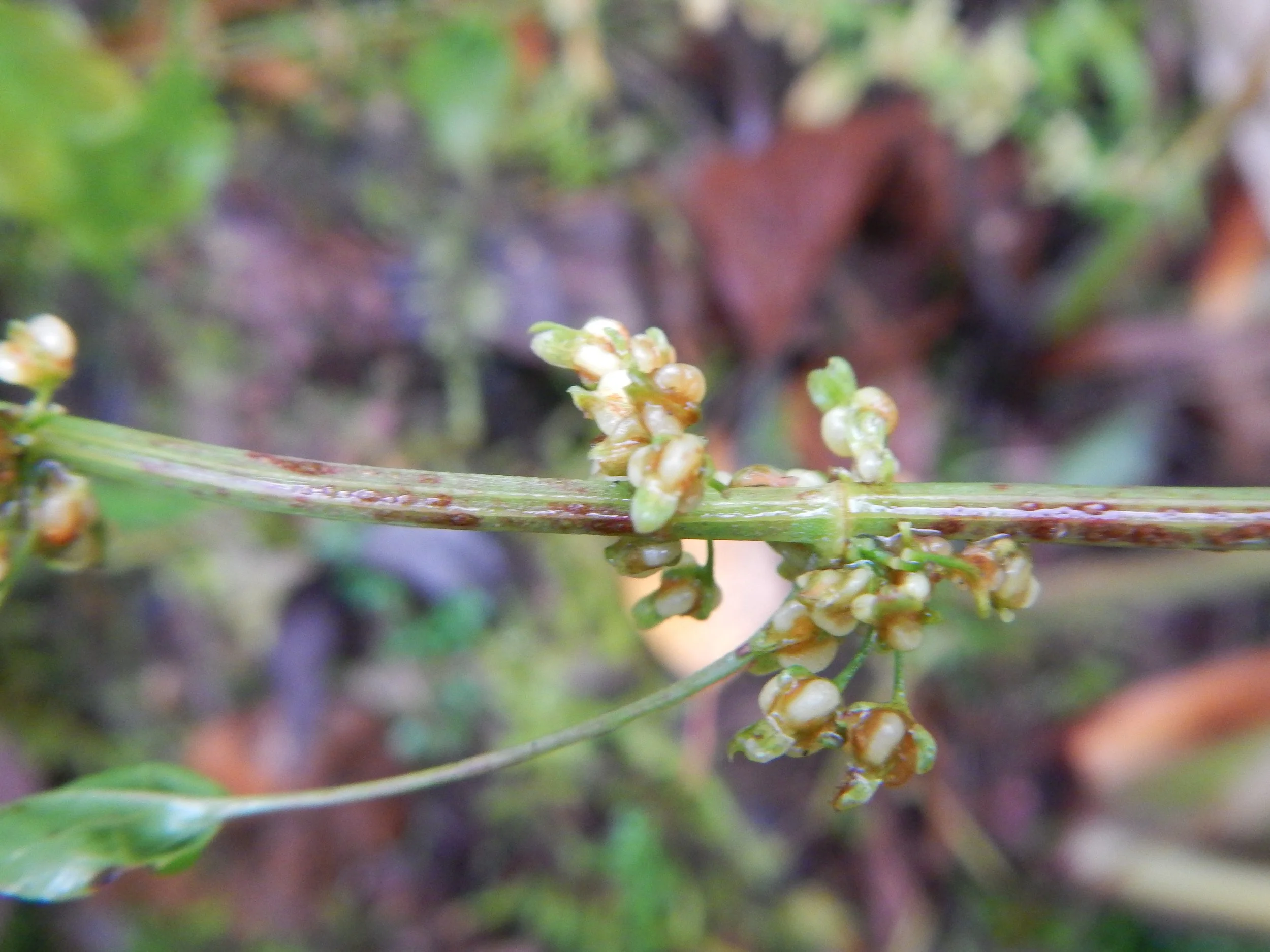
Rumex conglomeratus NS5664 21Oct18 PW

Rumex acetosella 28May2017 NS8267 PW
Rumex species- Dock and Sorrels
Docks are best identified when they are in fruit. Each fruit consists of 3 wings, which may have a tubercle at the base in none, one or all of the wings. The family has modified stipules at the base of the leaves called ochrea (plural ochreae) – a sheathing structure not unlike a miniature knee-bandage.
Rumex obtusifolius Broad-leaved Dock is a perennial with strong tap-root. The basal leaves have a strongly cordate base with ± entire margins, hairless above and ± roughly hairy on the veins beneath. The valves have 3-5 teeth on each side about half the width of the valve. Most are subsp. obtusifolius whichhas one valve with a tubercle.
It is our commonest dock.
Rumex crispus Curled Dock is usually an annual or binennial. The basal leaves are up to 40cm long, 4–5 times as long as wide, lanceolate, subcordate or sometimes truncate at the base, acute at the apex. The margins usually strongly wavy. The petiole long, often nearly equalling or exceeding the leaf blade. Up to 3 tubercles occasionally one, but usually the tubercles are distinctly different in size. It is common on cultivated land, in pastures, waste places and farmyards, by roads and tracks, and on coastal shingle beaches, sand-dunes and the mud of tidal rivers, however, usually absent from shady places and acid moorland and heaths. In Lanarkshire subspecies crispus is the commonest.
Rumex longifolius Northern Dock is a perennial, like a big R. crispus but leaves are longer 60cm, only 3-4 x as long as wide with a blunter apex. The panicle is very dense and valves are large 5 x 6mm, entire, cordate at base with no tubercules.
Rumex sanguineus Wood Dock is a perennial that is found in woods and on the edges of woodland. The basal leaves up to 30 cm, bright green, oblong, cordate or truncate at the base; apex ± acute; margins slightly wavy; petioles 1/3–1/2 as long as the leaf blade. The flower/fruit stalks are in whorls spaced at intervals of 1 cm or more, only the lower ones sometimes have leafy bracts. The valves are blunt, entire; one bearing a light brown or reddish globose tubercle c. 1 mm in diameter occupying almost the whole width but much less than half the length of the valve, the others without or with small tubercles. Fruiting pedicel much longer than the valves. var sanguine Blood-veined Dock is a cultivar which can be found in the wild, see last picture.
Rumex conglomeratus Clustered Dock is a perennial. The basal leaves 10–30 X 2.5–6 cm, dull-green, sometimes violin-body shaped when young, abruptly rounded or subcordate at the base, glabrous, almost entire; petiole often equalling or exceeding the leaf-blade. The stem leaves smaller, the margins sometimes wavy. The panicle lax, leafy and open with numerous simple branches, the flowers in rather remote whorls of 10–30, each with a lanceolate or ovate bracts for about 2/3 of the length of the branches; flowers towards the end of the branches without bracts. The valves are ovate, obtuse apex, entire, all 3 valves with an oblong, swollen tubercle 1–2 mm long, often more than half the length of the valve; fruiting pedicel about as long as or slightly longer than the perianth. It is found in damp or marshy meadows, on the margins of ponds, ditches and streams, and beside muddy paths and field gates, particularly where water stands long in winter; also in brackish conditions.
Rumex sanguineus Wood Dock and Rumex conglomeratus Clustered Dock can be difficult to separate, a reliable character is the length of the fruiting pedicel and the number of tubercles. R. conglomeratus the fruiting pedicel is about as long as the valve or slightly longer and has 3 tubercles. R. sanguineus has a pedicel much longer than the fruiting perianth with one round tubercle.
Rumex hydrolapathum Water Dock is uncommon, found in beside rivers, streams, canals, lakes and ponds, and in marshy places and ditches. It is a robust, erect perennial with several stems up to 2m, from the stout, black rootstock, often forming a conspicuous waterside tussock. The basal leaves up to 1.2m long, sometimes longer, 4–5 times as long as wide, broadly lanceolate, flat, dull green and margins entire. Stem leaves and bracts narrower, narrowed equally to both ends, sometimes finely wavy. The panicle much branched, leafy at the base, with branches ascending, whorls rather crowded; pedicels stiff, c. 1.5 times as long as the tepals. Valves are triangular, truncate or subcuneate at the base, usually with a few inconspicuous teeth near the base, each with a prominent, elongate tubercle extending for over half its length. Pictures awaited
Rumex alpinus Monk's-rhubarb is unusual in Lanarkshire. It is a stout rhizomatous perennial with erect stems 60–70(–100) cm tall, extensively creeping to form large patches. Plant light green; stems and petioles sometimes tinged with red. Basal leaves 20–40 X 20–35 cm, orbicular, cordate, with slightly undulate margins; petiole longer than the lamina. Panicle spindle-shaped in outline tapering towards both ends, dense, with tightly packed branches, leafy in the lower part, leafless above, pedicels filiform, up to 3 times as long as the tepals and deflexed in fruit. Valves are ovate, blunt, truncate at the base, entire or finely denticulate towards the base, membranous, without tubercles. Pictures awaited
Rumex acetosa Common Sorrel is an erect, nearly glabrous, tufted perennial, tasting of acid, commonly about up to 70 cm tall, rarely up to 130 cm; rootstock somewhat woody, fibrous with the remains of petiole bases. Basal and lower stem leaves ovate-oblong or -lanceolate, 4–7(–15) cm, acute or subacute, hastate with the basal lobes directed more or less parallel to the petiole. The upper stem leaves ± sessile, clasping the stem, often narrower and more acutely tipped. The ochrea fringed. There are male and female plants (dioecious). Male flowers in an upright panicle with few branches, ceasing to grow when the pollen is shed and, therefore, inconspicuous and often overlooked. The female flowers in panicles with ascending branches, continuing to grow as the fruit ripens. Outer tepals reflexed and appressed to pedicels after flowering. Inner tepals in female flowers orbicular-cordate, enlarging to 3–4.5 mm long, membranous, often turning a rich red or purplish-red, especially round the margins. Our plants are subsp. acetosa
Rumex acetosella Sheep's Sorrel is an erect perennial, tasting of acid, with far-creeping rootstock spreading by shallow roots to form extensive patches; stems 5–50 cm tall but usually about 10–30 cm, slender, flexuous. The leaves very variable, up to 4 cm long, several times longer than broad, linear-lanceolate to broadly lanceolate, usually hastate with 1 pair of spreading lobes and long thin petioles, often somewhat glaucus or flushed with red. The ochreae are lacerate, hyaline and often silvery in distal part. Male flowers with 6 obtuse, sepaloid tepals and 6 stamens. Female flowers with 3 sepaloid tepals, enlarging only slightly and closely appressed to the fruit. subsp. tenuifolius is thought to be the main one we have in Lanarkshire.