
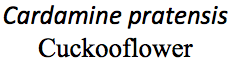

Cardamine pratensis NS5964 23Apr18 PW
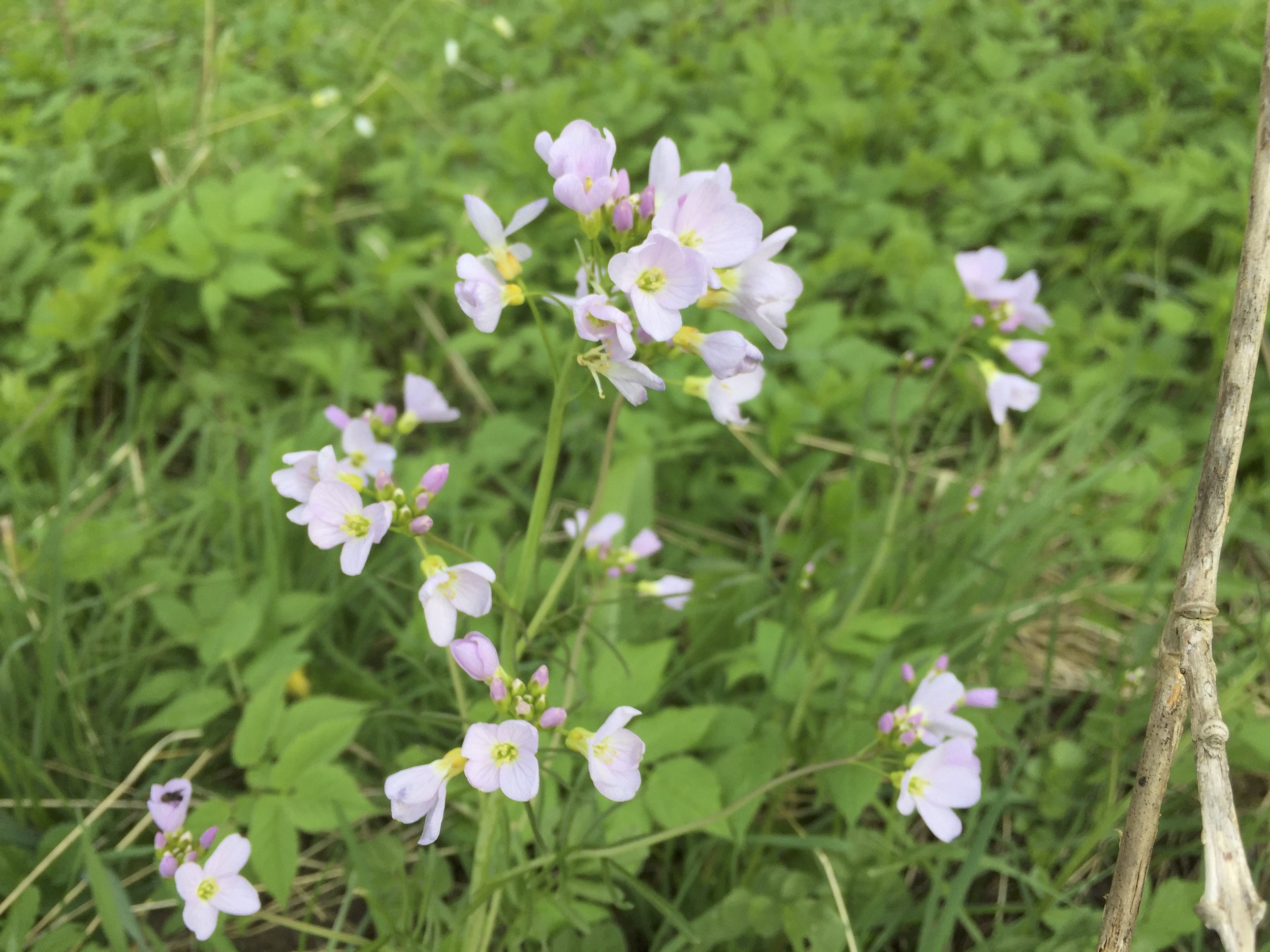
Cardamine pratensis 13Apr2017 NS8248 MP
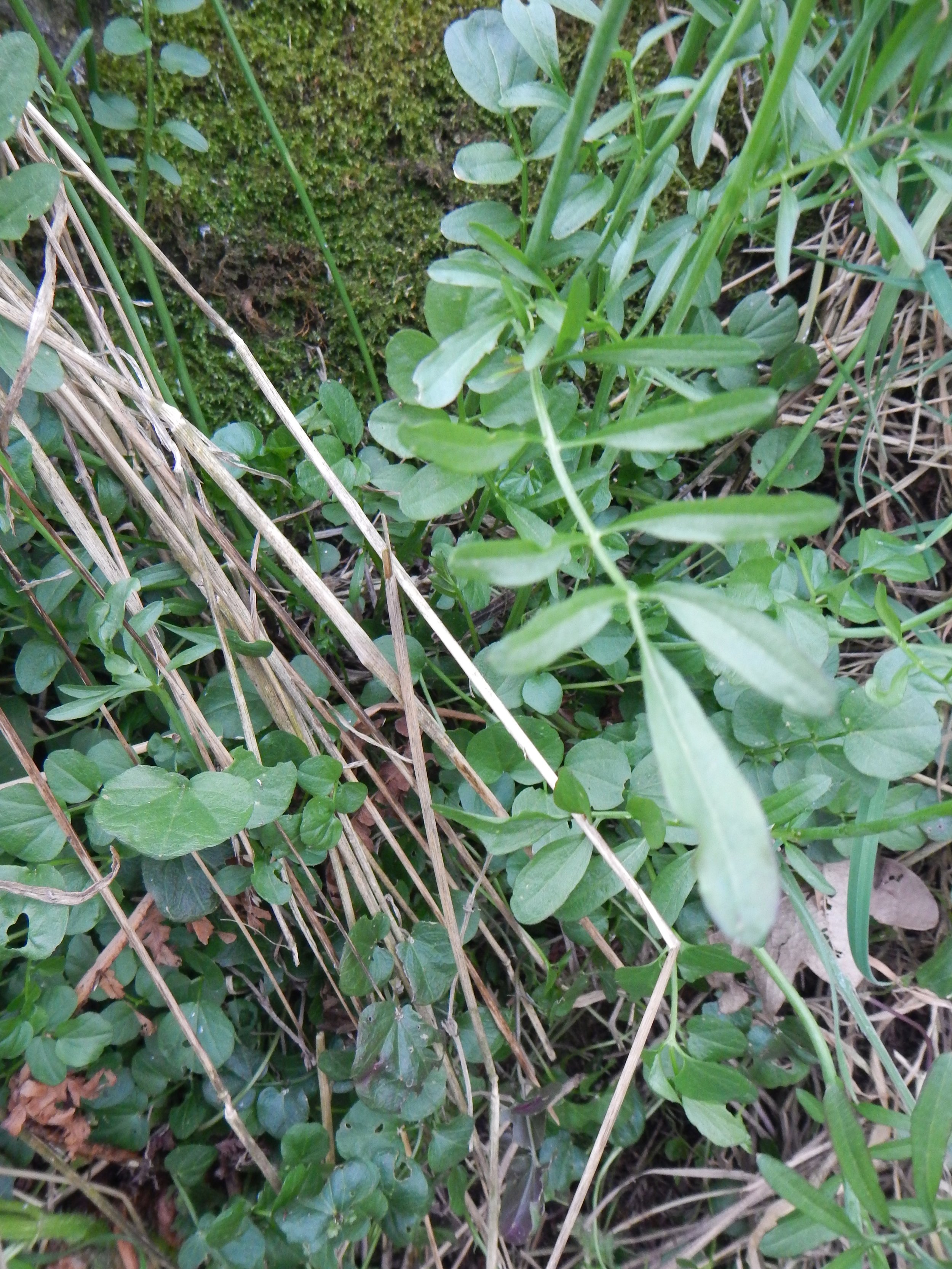
Cardamine pratense NS5964 23Apr18 PW
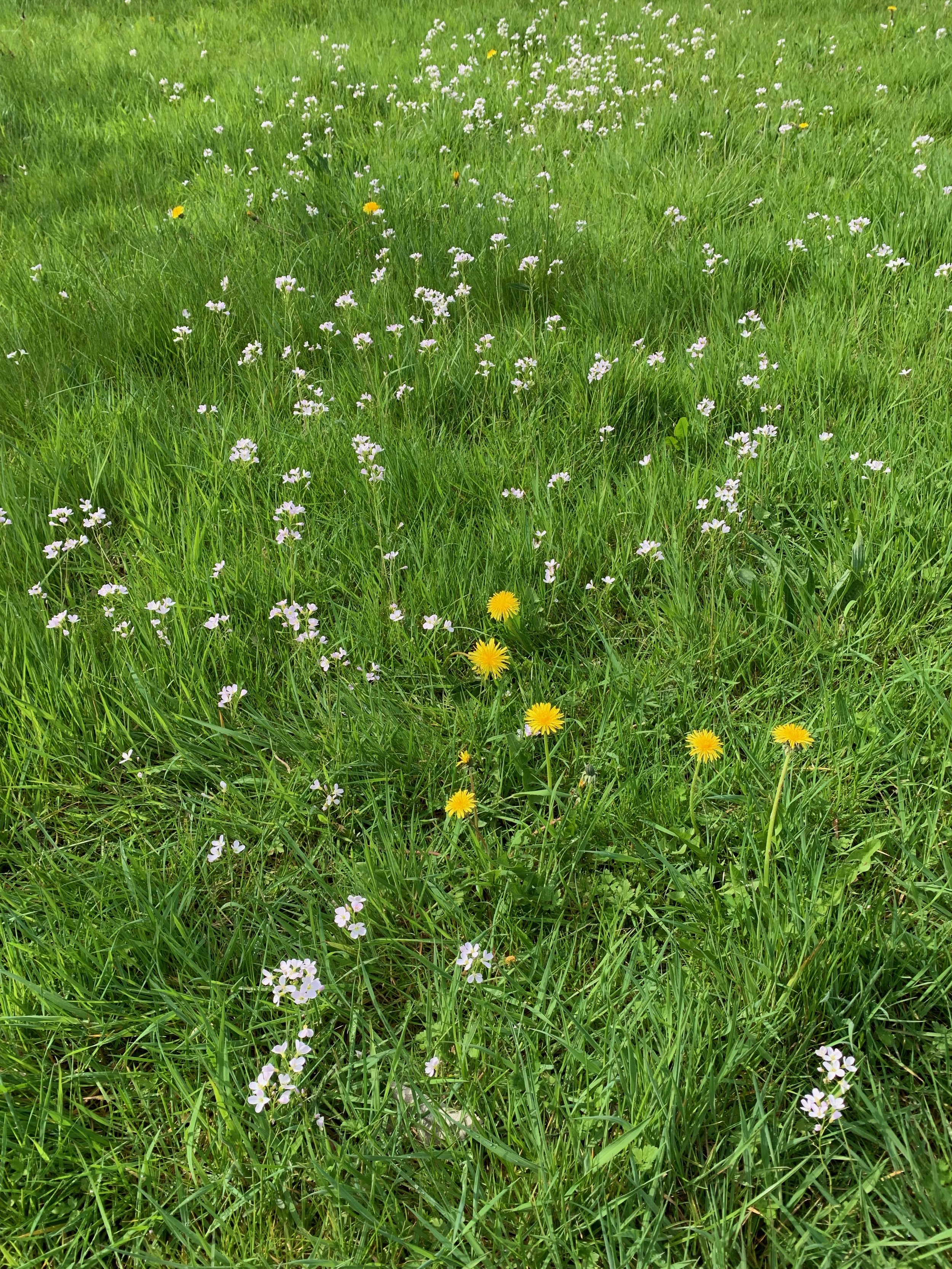
It can sometimes occur across grass before it is mown. Usually this means that the grass may be damp under foot.
Cardamine pratensis NS5364 29April2019 PW
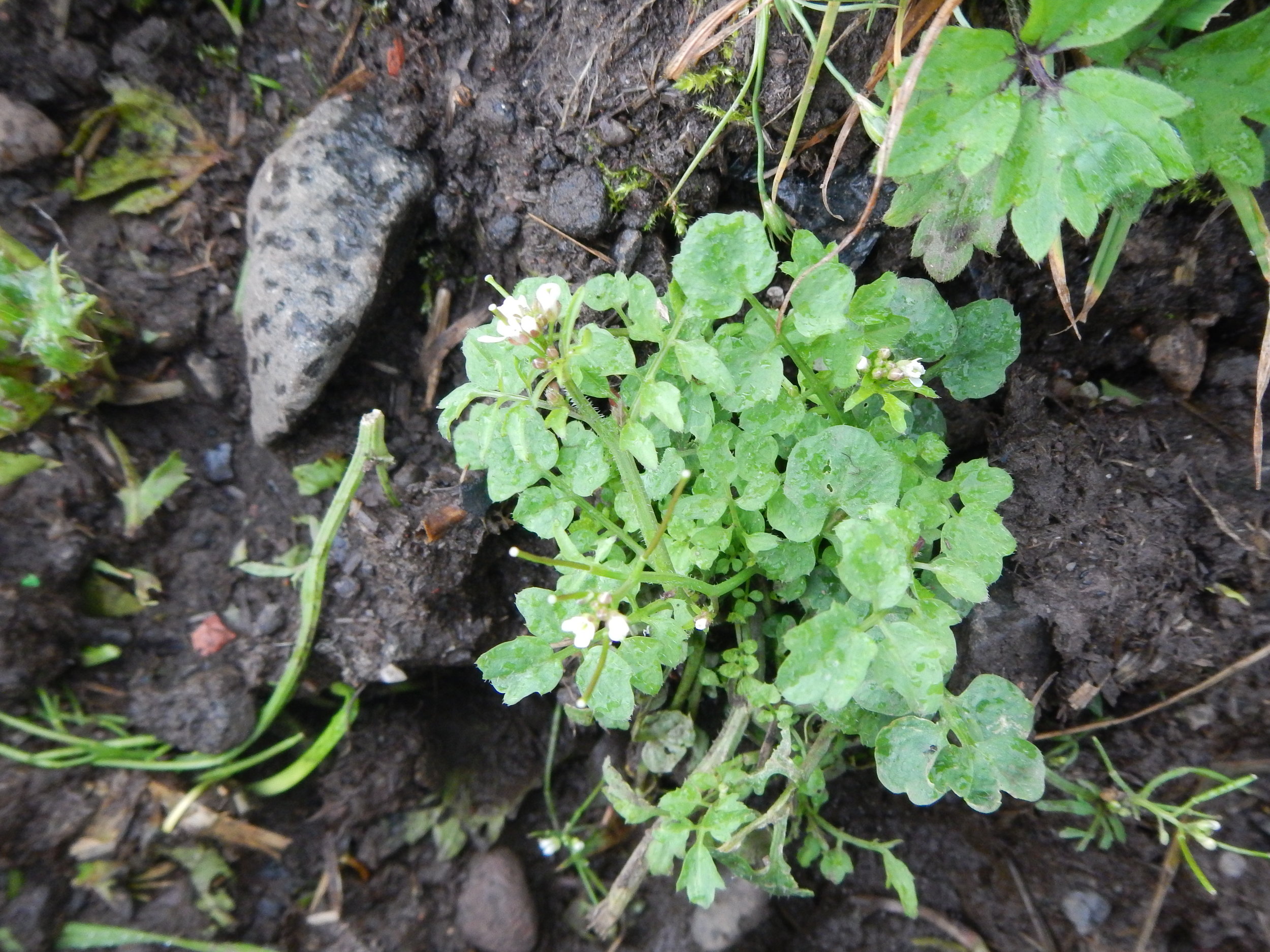
The stem leaves and slightly hairy stem are clear.
Cardamine flexuosa NS6638 26Aug2017 PW
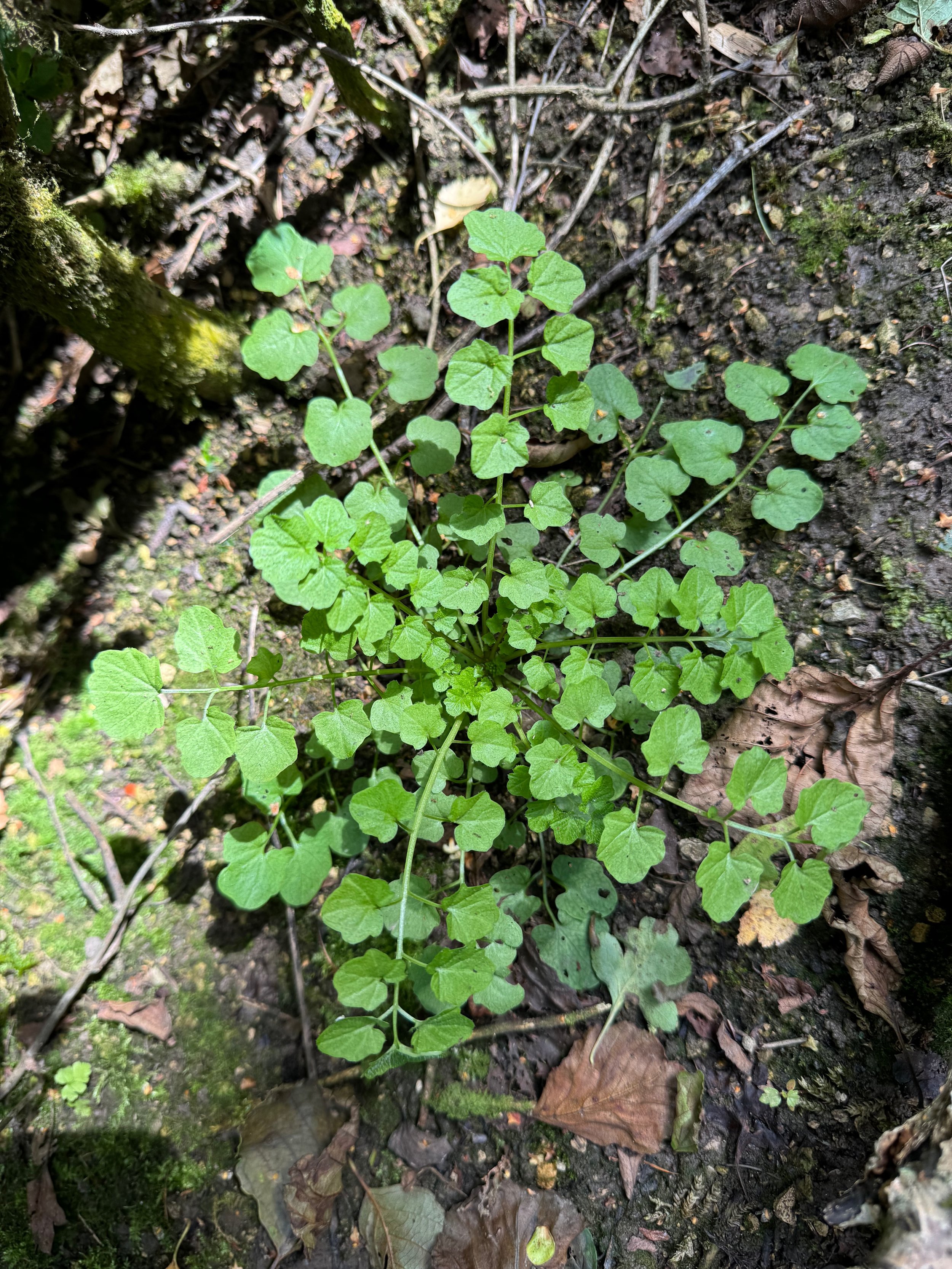
Shows the much looser basal rosette,
Cardamine flexuosa NS6755 11Aug24 PW
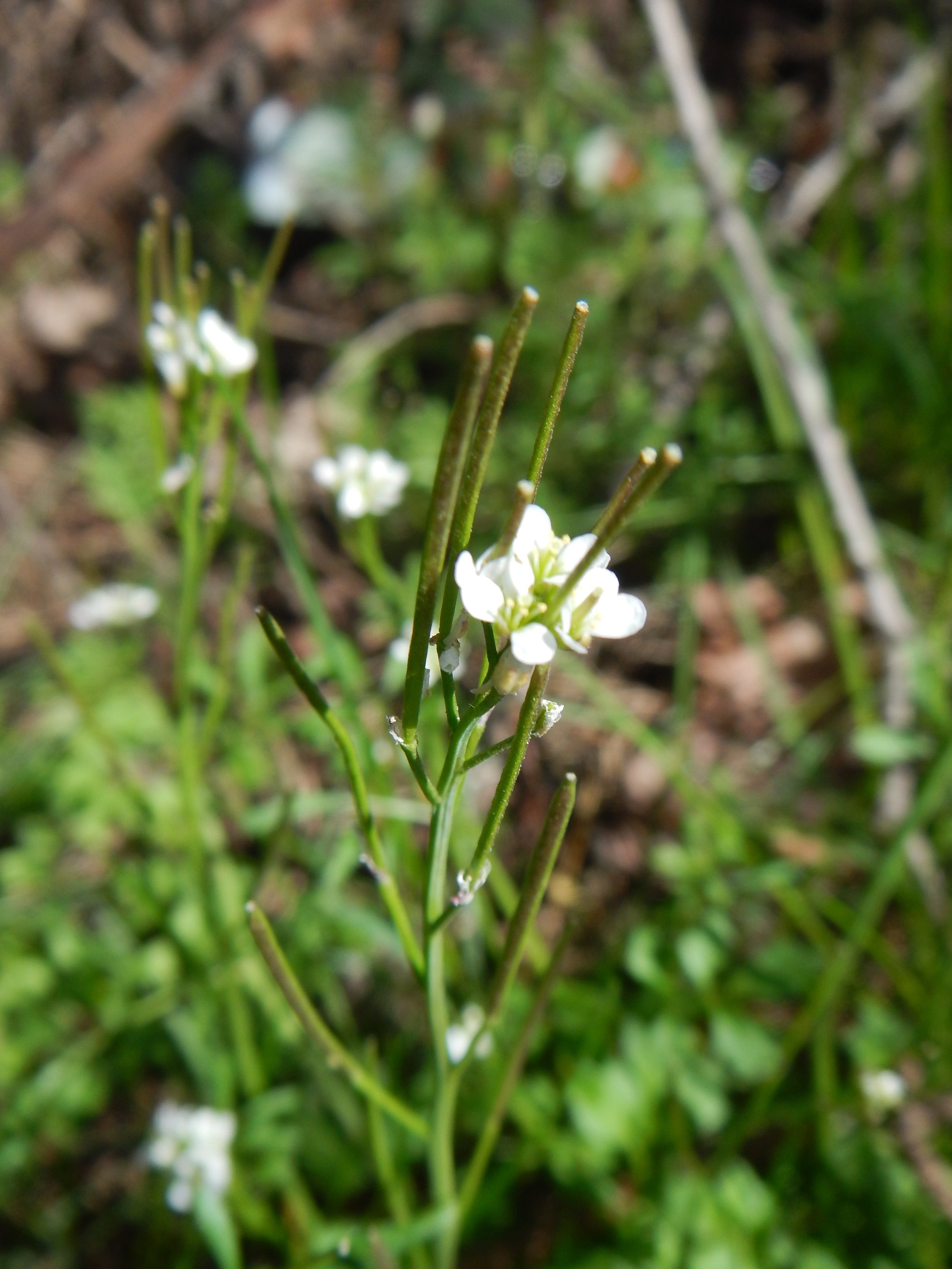
The pods consistently over-top the flowers and have four stamens.
Cardamine flexuosa NS6638 26Aug2017 PW

The orange dot is the egg of the Yellow-tip Butterfly, Anthocharis cardamines. The Cuckooflower is a favoured food plant.
Anthocharis cardamines (Yellow tip) egg on Cardamine pratensis NS6158 18May2015 PW

Here is the adult butterfly.
Anthocharis cardamines (Yellow tip) on Cardamine pratensis NS8761 13May2018 PW
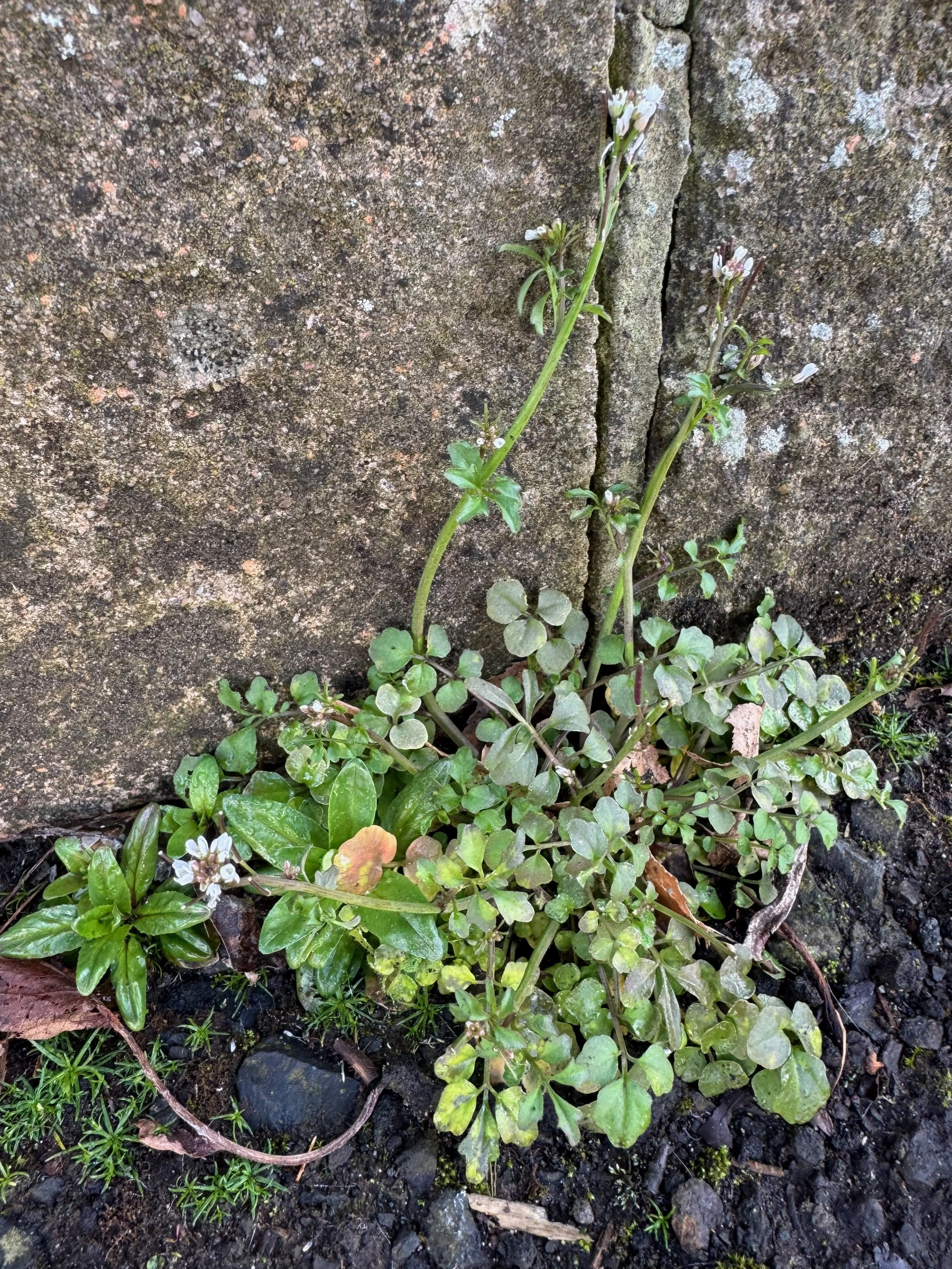
Well developed basal rosette and few stem leaves on a hairless stem.
Cardamine hirsuta NS5857 23Mar26 PW
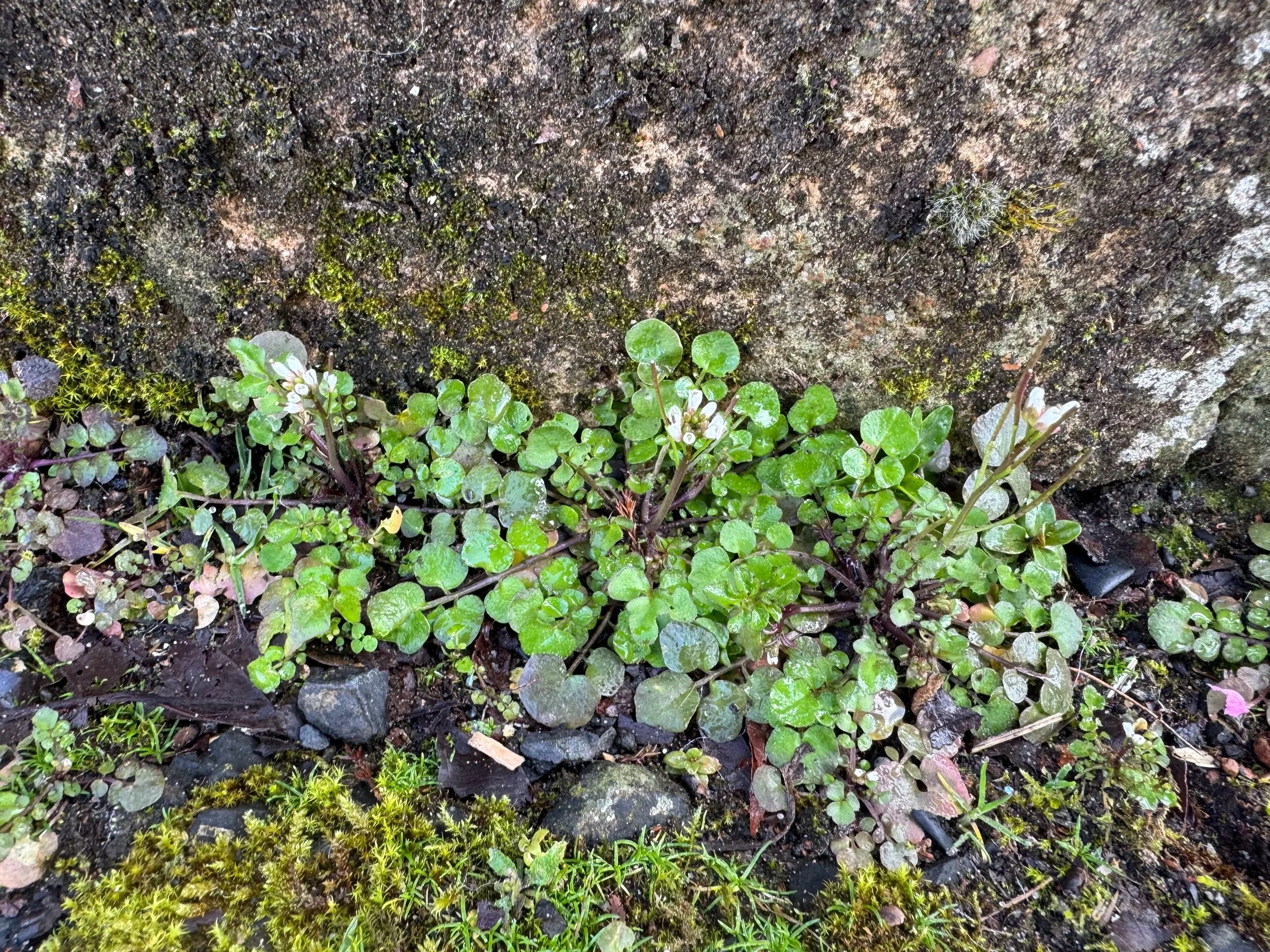
Well developed basal rosette.
Cardamine hirsuta NS5857 23Mar26 PW
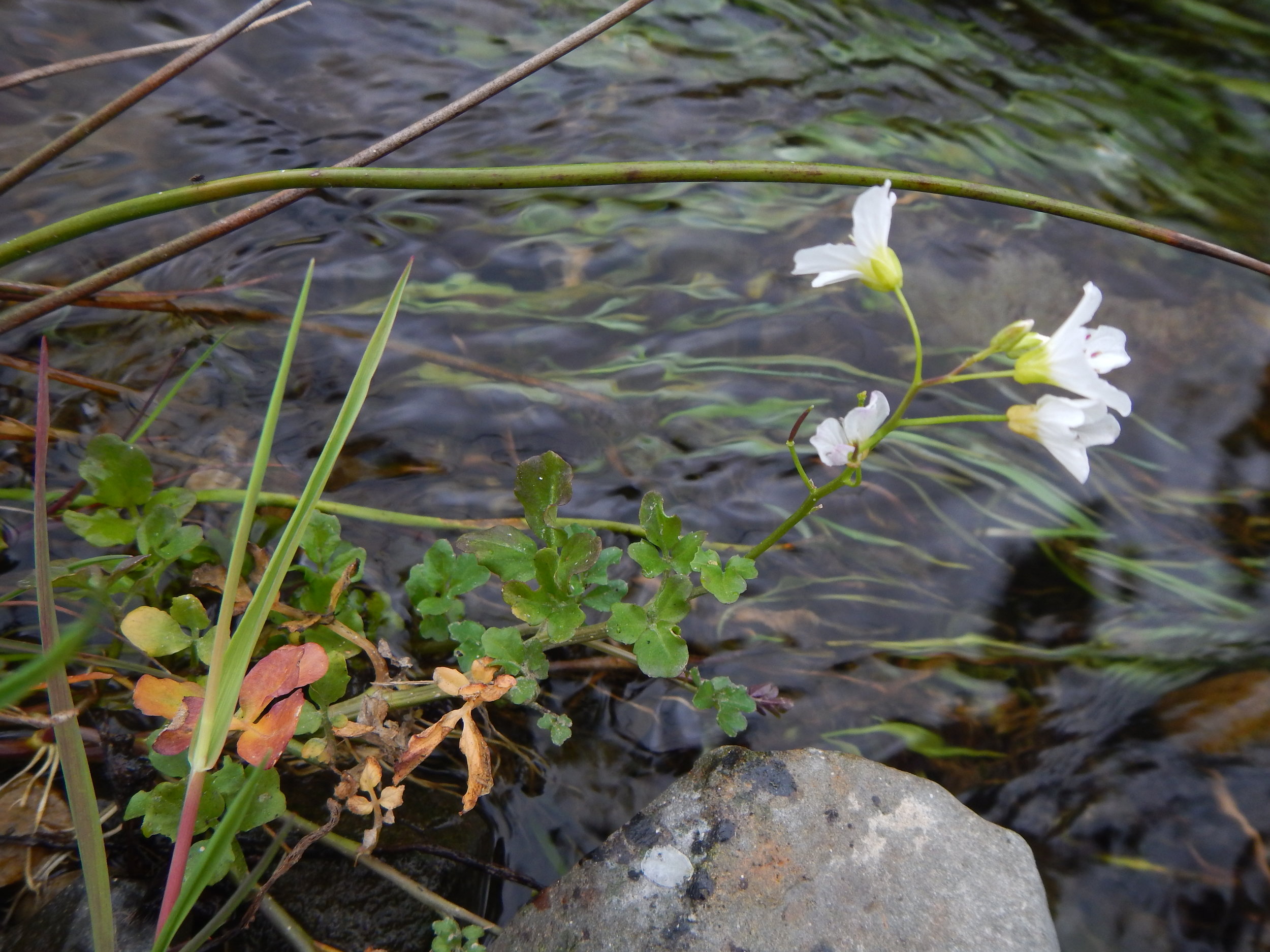
Overall it is a more substantial plant and flower.
Cardamine amara 14Jun2006 NT0129 PW
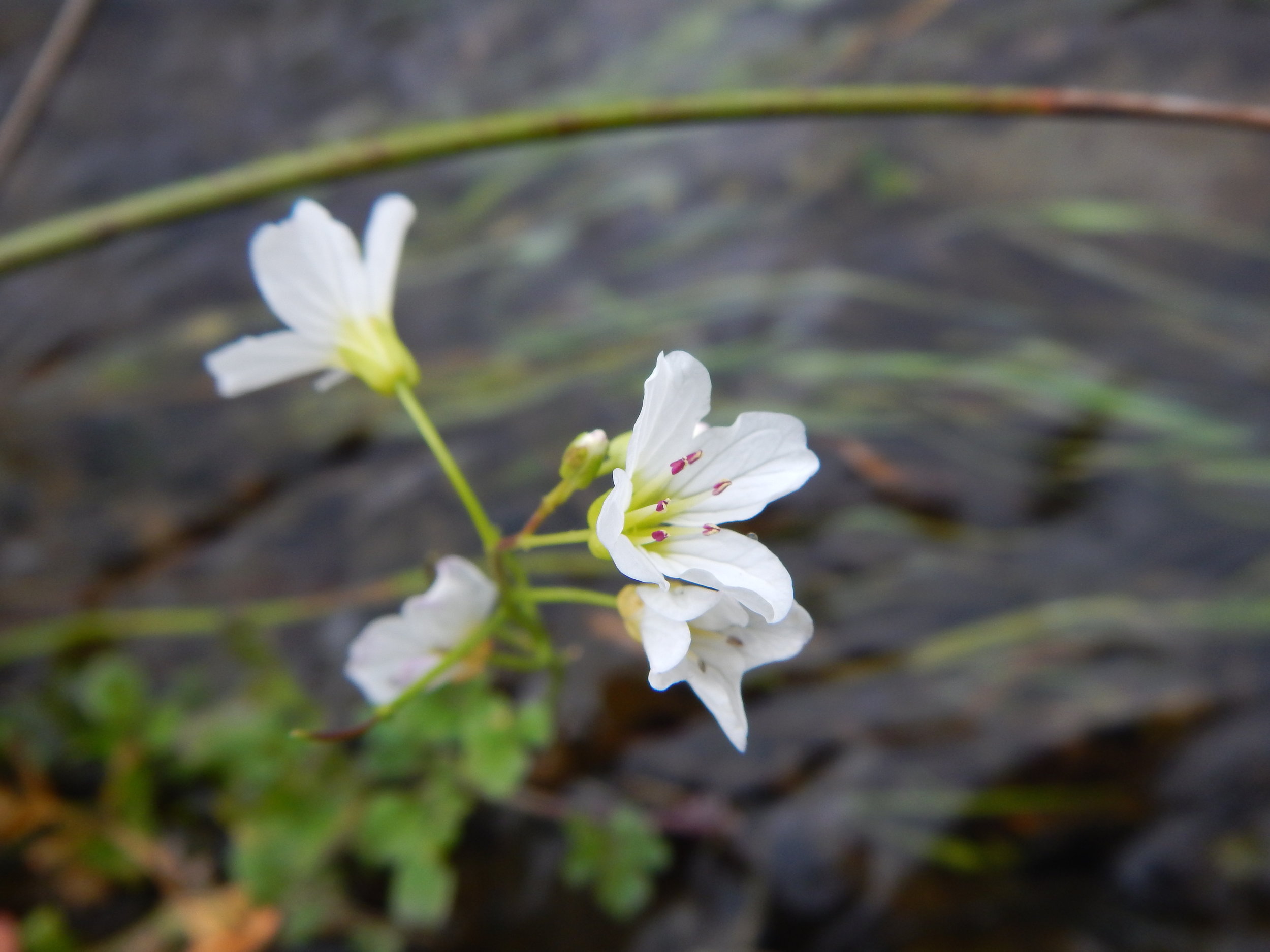
Note the violet anthers
Cardamine amara 14Jun2006 NT0129 PW
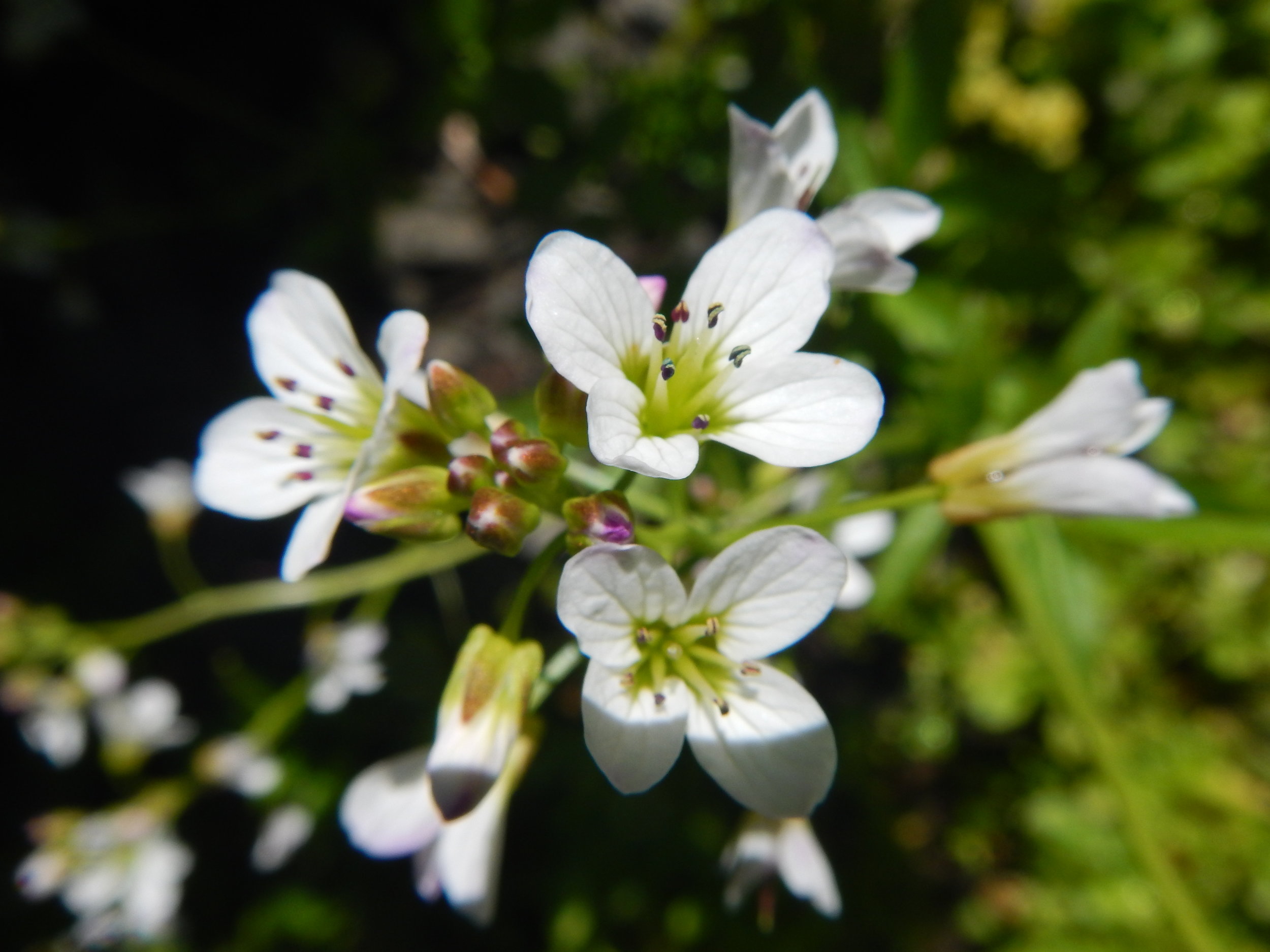
Cardamine amara 14May2017 NS7672 PW
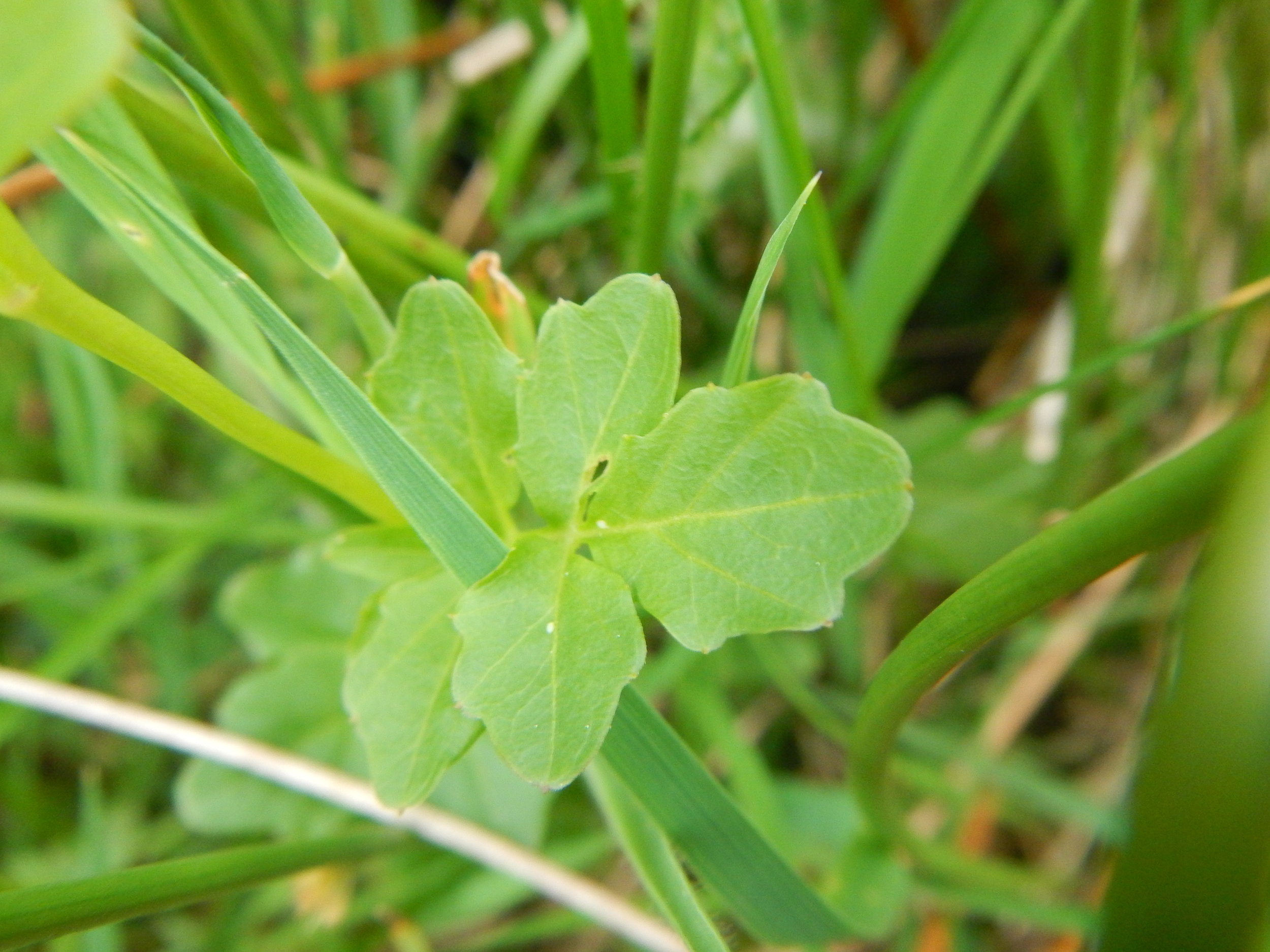
The stem leaves are not linear.
Cardamine amara 14Jun2006 NT0129 PW

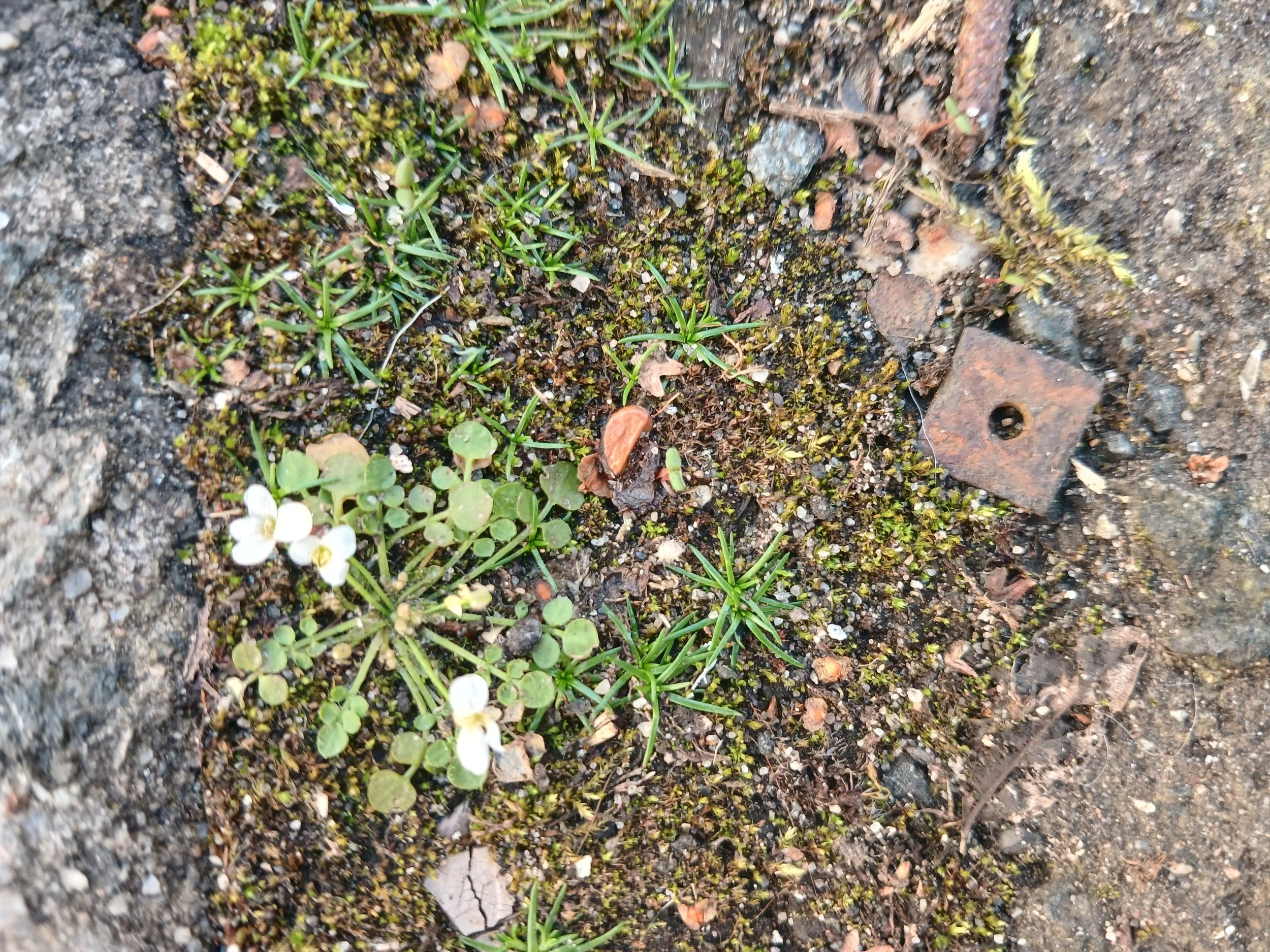
Cardamine corymbosa NS5768 21Mar26 MM
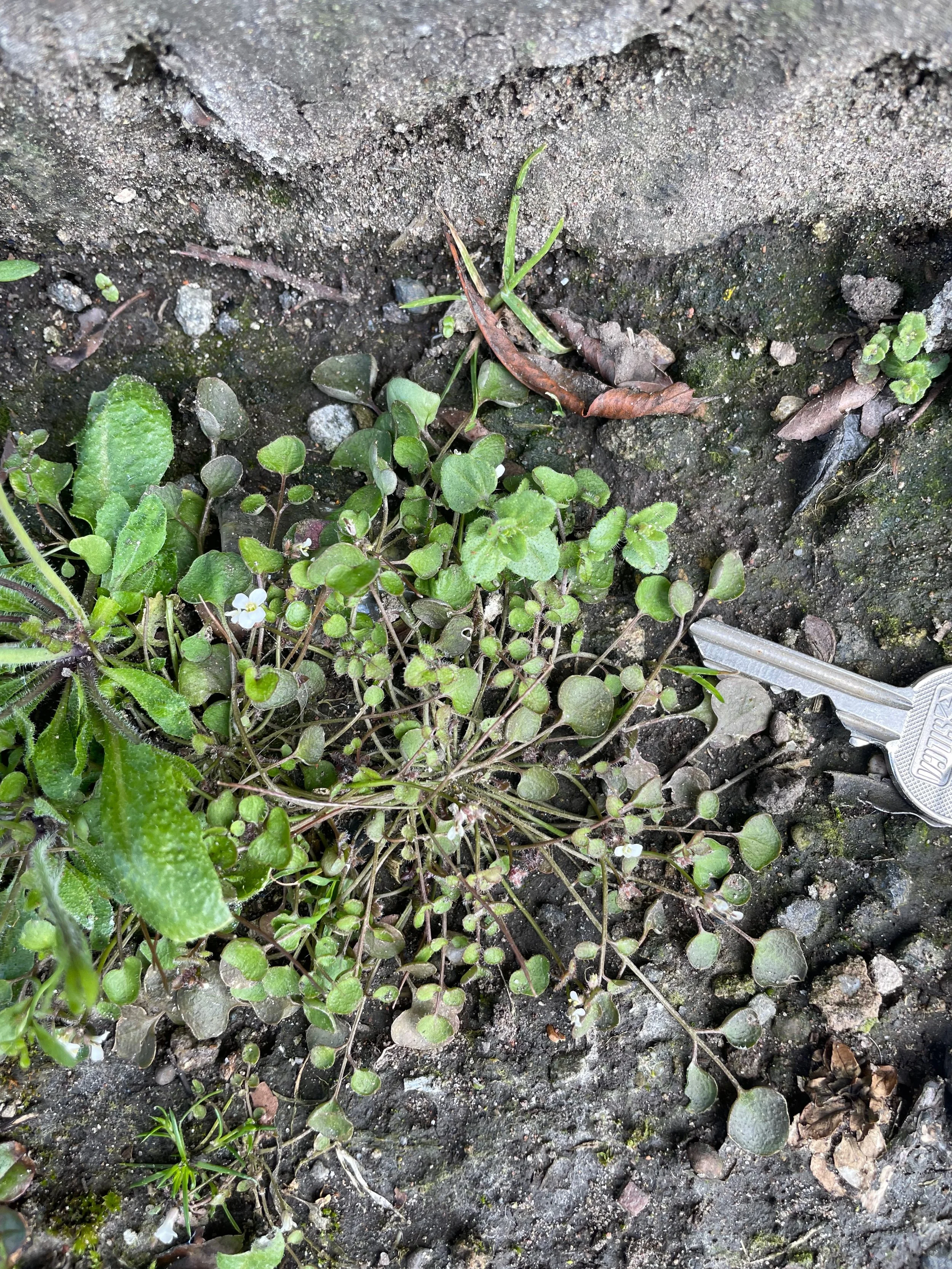

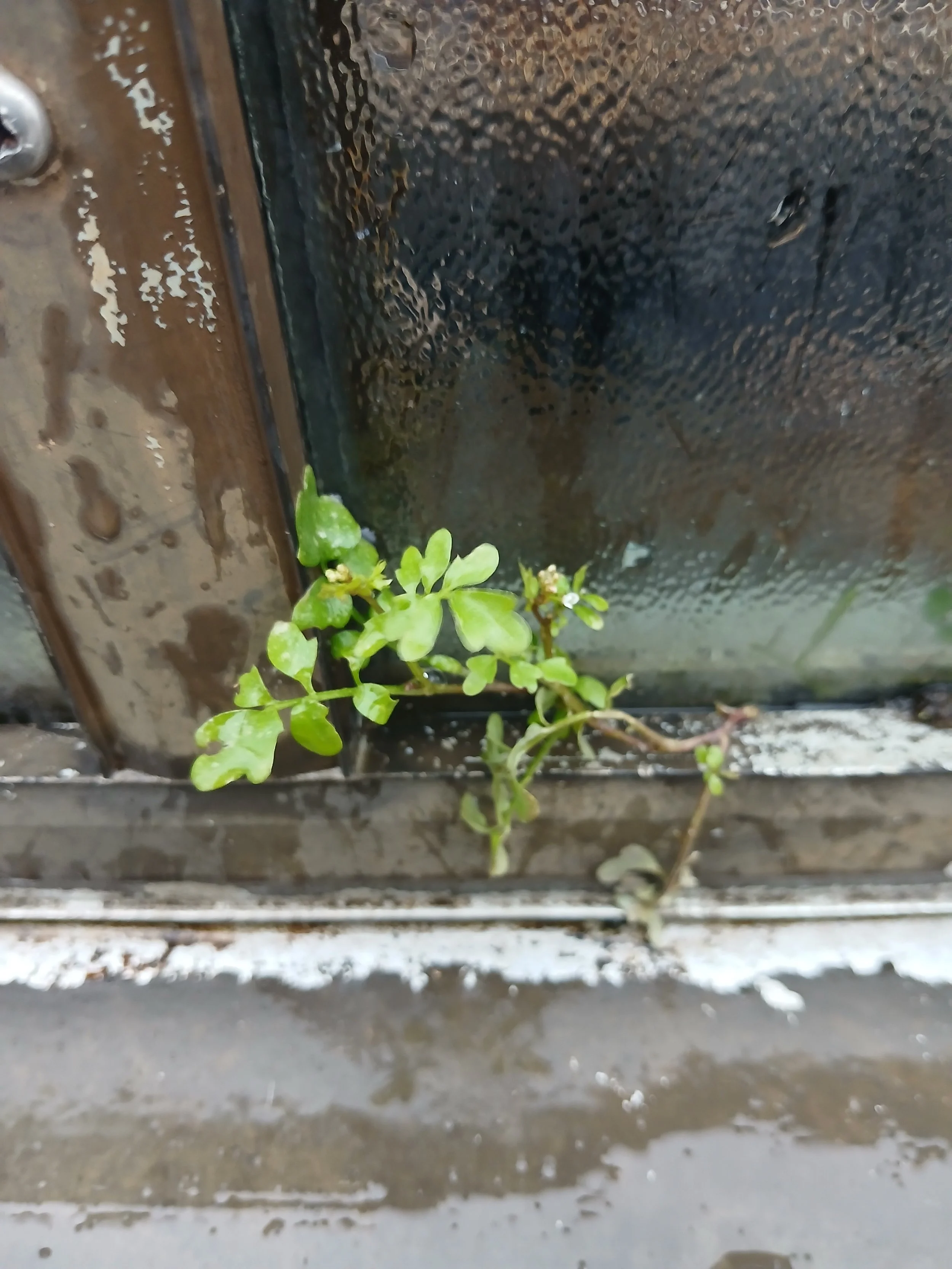
Cardamine occulta NS5667 16Mar26 MM

Cardamine occulta NS5667 19Feb26 iRecord Angus Jennings
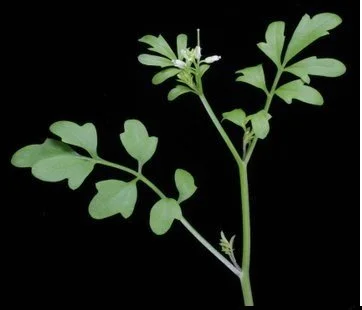
Showing the 3 lobed arrangement of the leaves.
From Twitter account of Mick Crawley
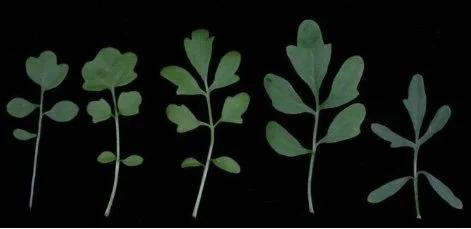
Showing the 3 lobed arrangement of the leaves.
From Twitter account of Mick Crawley
Cardamine species - Bitter-cresses and Cuckooflower
Cardamine are a common group of flowers. The ±stalked lateral leaflets of the basal rosette is a strong diagnostic feature to separate from other members of the Crucifer family.
Cardamine pratensis, Cuckooflower, is common in damp ground, ditches, fields, beside burns and lochs, and in moorland flushes at all altitudes, flowering in spring and early summer. Flower diameter c 12-21 mm
Whole plant is glabrous with an erect unbranched stem. Lower leaves have roundish stalked leaflets, the end one much the largest. Upper leaves have linear leaflets. Petals are roundish and overlapping and can be mauve or white. Anthers are yellow and there are 6 stamens.
Cardamine flexuosa, Wavy Bitter-cress, is very common in damp shady places, either on bare ground or among other vegetation. Normally well under 30 cm high but taller in marshes. Flowers c 2.5-4 mm across. Ripe pod c 12-25 mm long.
Basal rosette is often poorly defined with leaves that have 2-8 roundish stalked ±toothed leaflets on each side and a larger one at the end. Stem leaves similar but smaller and usually with narrower leaflets. The wavy stem is slightly hairy with hairs 0.5-1mm and there are usually 4 or more stem leaves. Flowers (examine several) normally have 6 stamens, of which 2 may or may not be smaller than the others. Remember “sexy-flex” sex = six in Latin..
Cardamine hirsuta, Hairy Bitter-cress, is common in bare dry sunny places, most noticeable in Spring. Can sometimes occur in more moist and shady spots, when liable to be mistaken for C. flexuosa at first glance. It is a low plant, under 30 cm high. Flower diameter c 2-3.5 mm
The ±hairless stem arises from a clear basal rosette of leaves that have about 5-7 roundish, sometimes stalked, leaflets on each side and a larger one at the end. Stem leaves similar but smaller and fewer, normally no more than 4 per stem, often with narrower leaflets. Usually 4 stamens to a flower (examine several).
The most reliable features to distinguish C. flexuosa and hirsuta are in order of importance, number of stamens, number of stem leaves and hairiness of the stem is order of decreasing importance.
Cardamine amara, Large Bitter-cress, is the least common. It is found beside lowland streams and is easily distinguished as it is larger in all parts and has violet anthers. The stem leaves do not have linear leaflets.
Two new casuals:
Cardamine corymbose, New Zealand Bitter-cress is a small horticultural introduction which is spreading. It is like a small C. hirstuta, found in similar places and early in the year. It has a larger flower, usually single, with petals 2-2.5mm wide and is less hairy than C. flexuosa with which it shares 6 stamens.
Cardamine occulta, Asian Wavy Bitter-cress is an even more recent introduction. It is similar to C. flexuosa but the leaflets are 3-lobed in various ways. Currently (2026) the only records are in the Glasgow Botanic Gardens.