
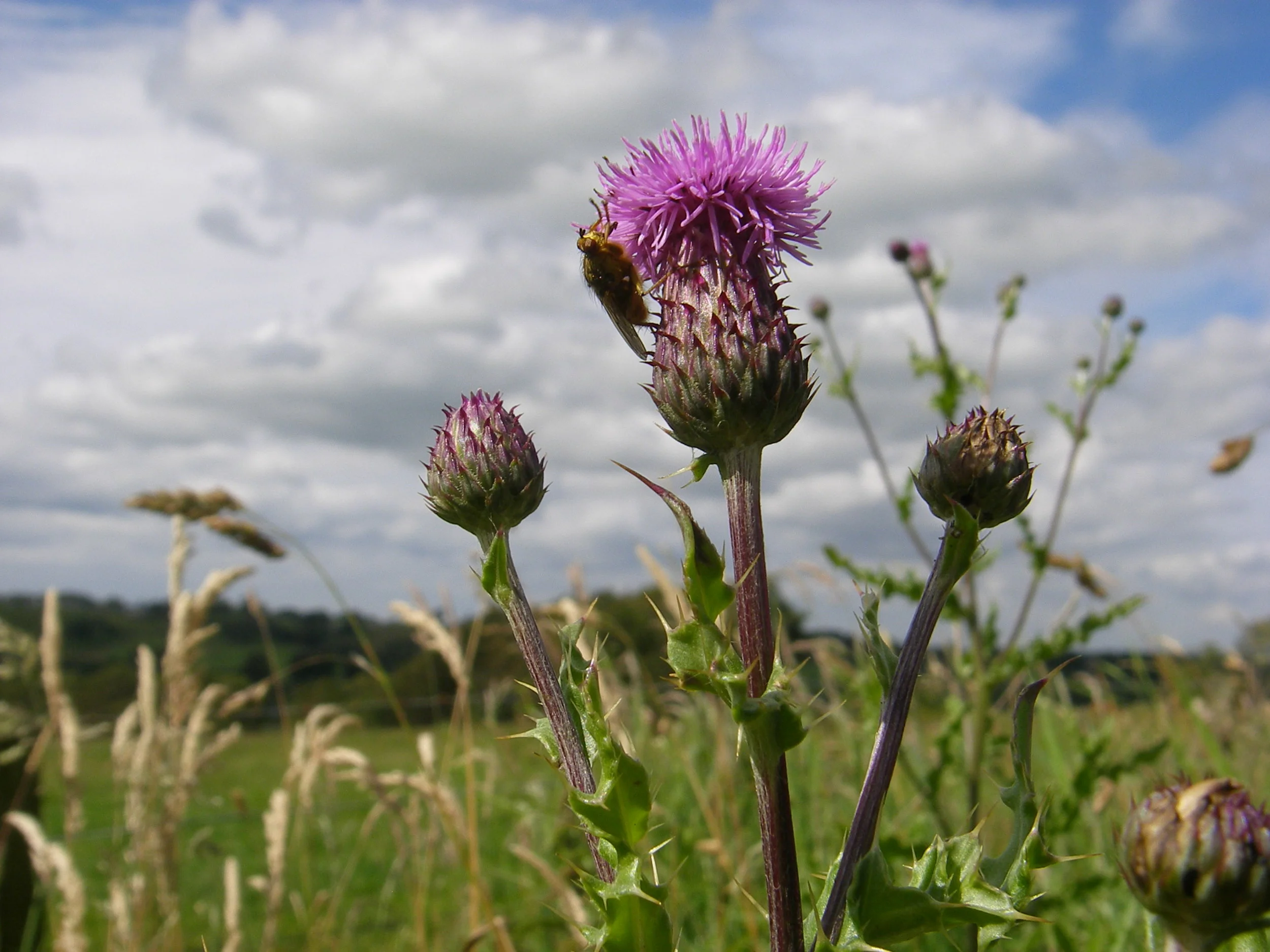
Cirsium arvense NS7143 03Aug2011 MJP
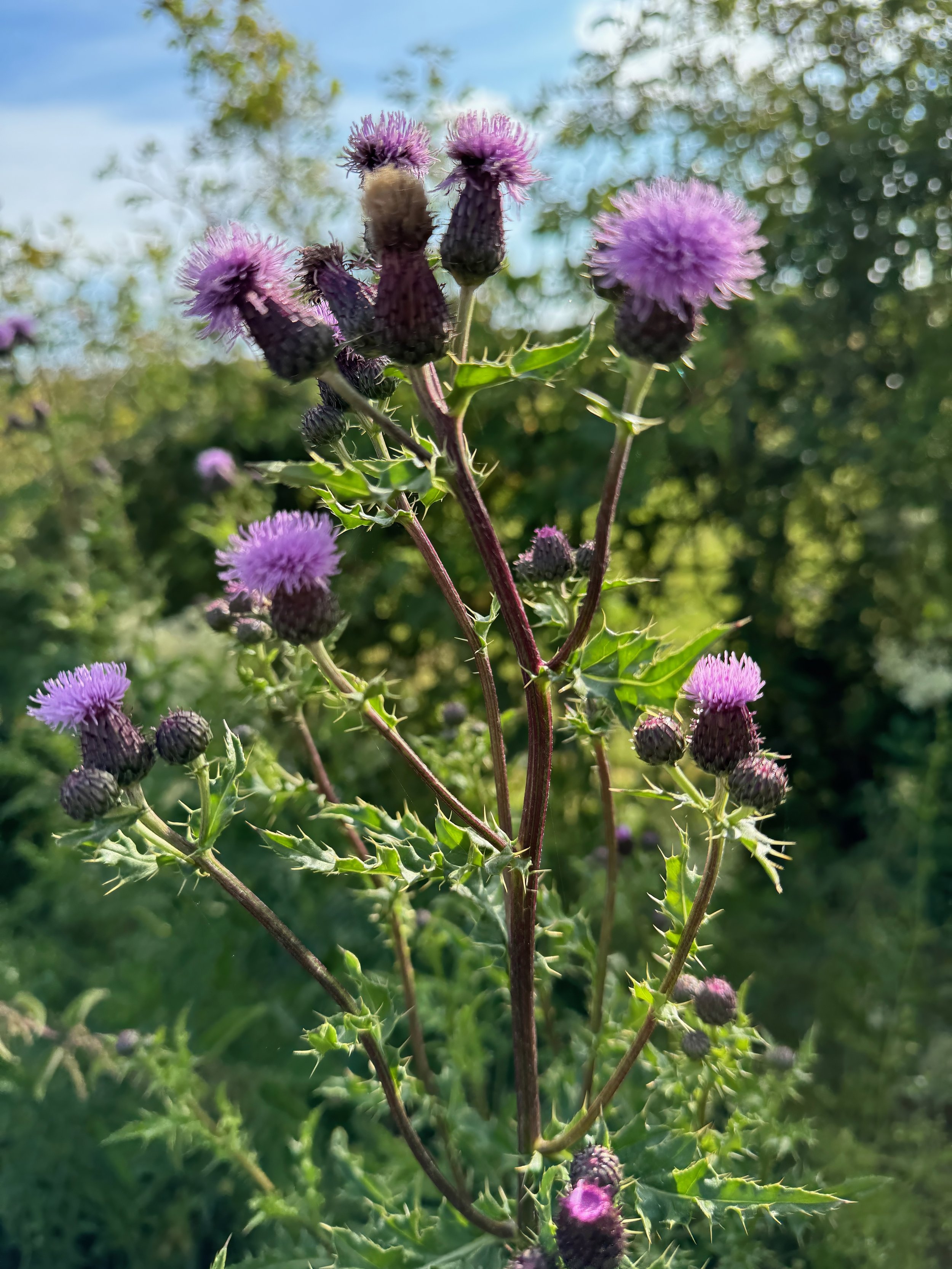
Cirsium arvense NS5952 17Jul24 PW
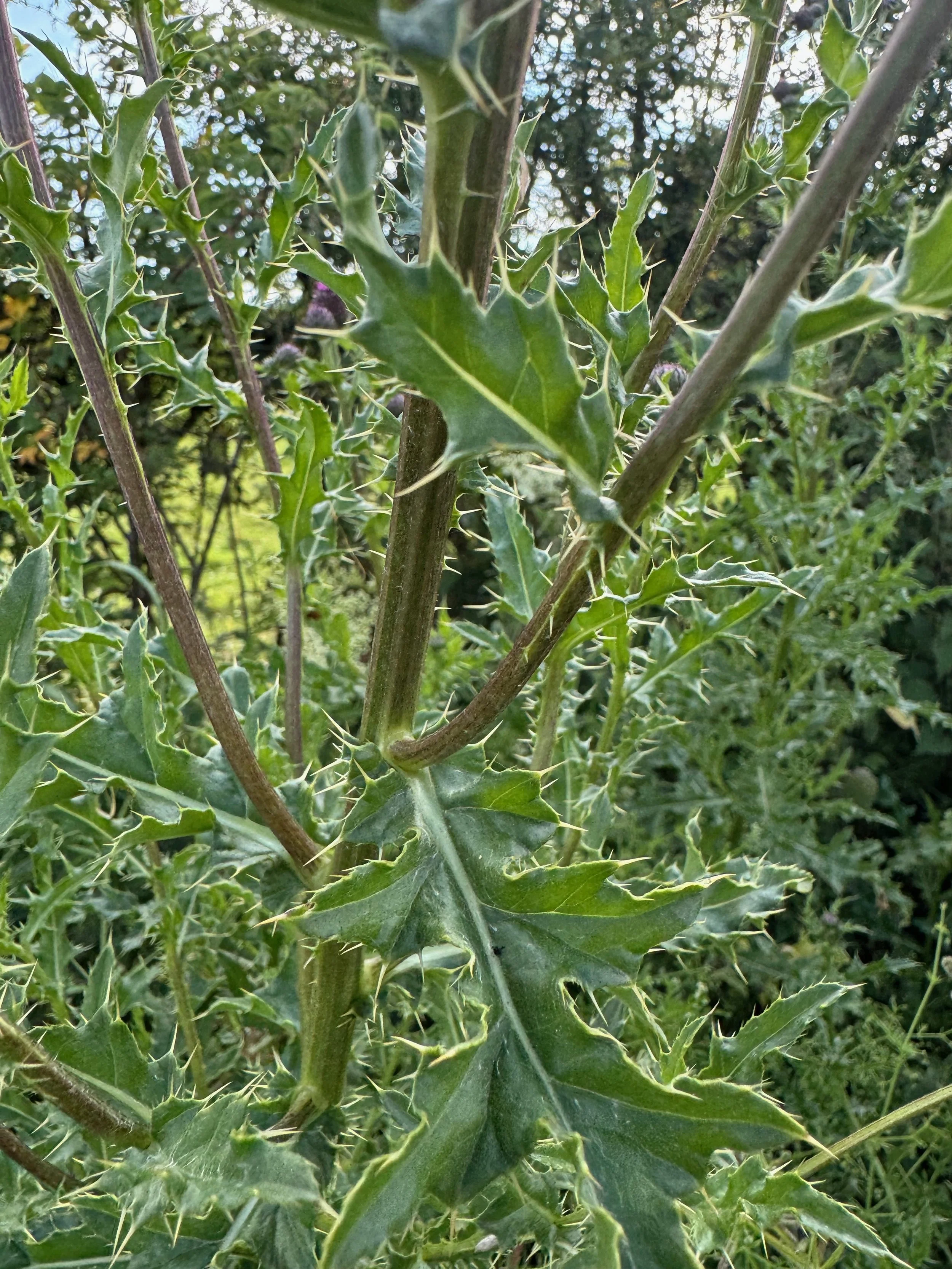
Cirsium arvense NS5952 17Jul24 PW
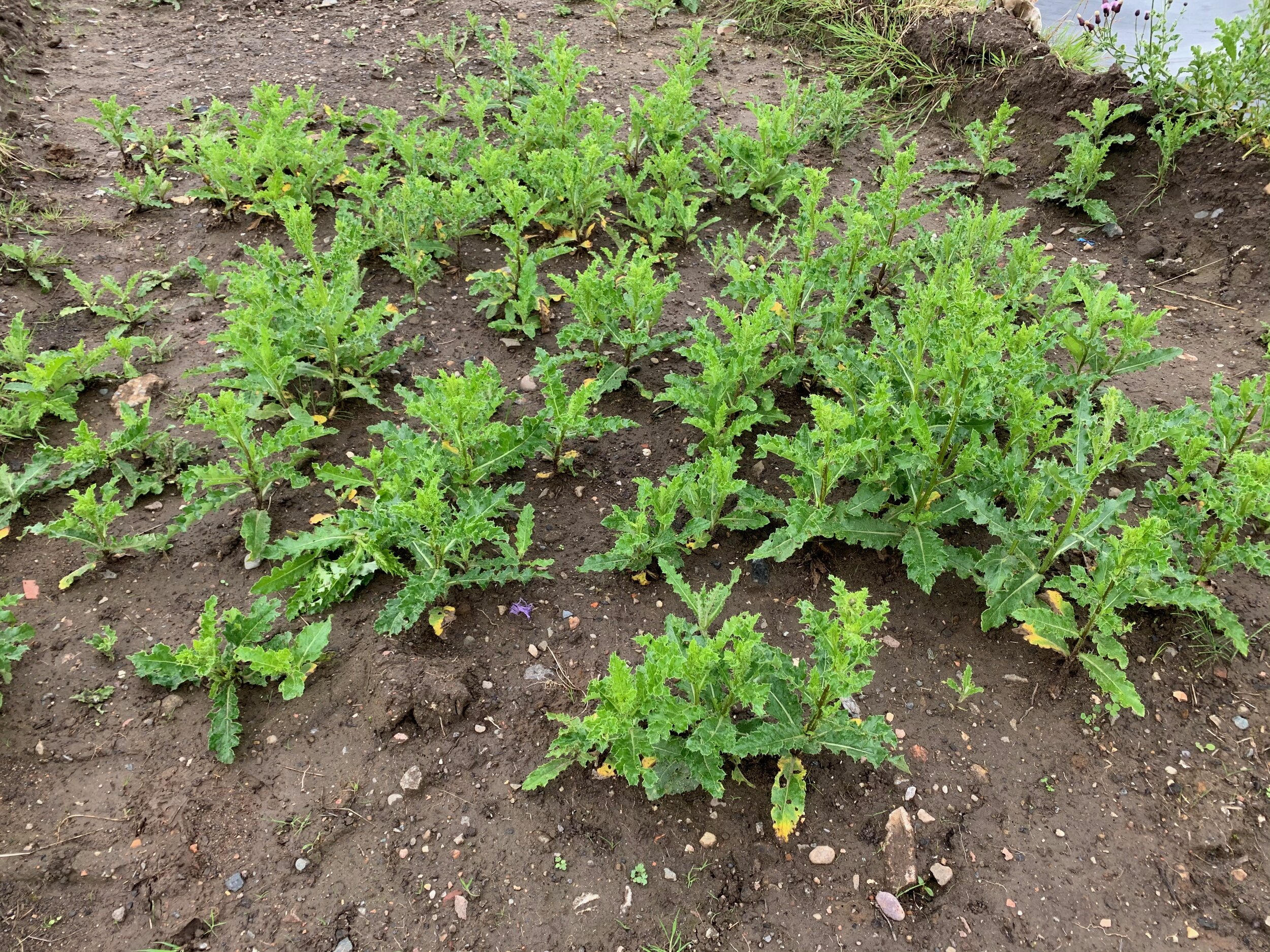
The creeping thistle living up to its name.
Cirsium arvense NS6662 23Jul2020 PW

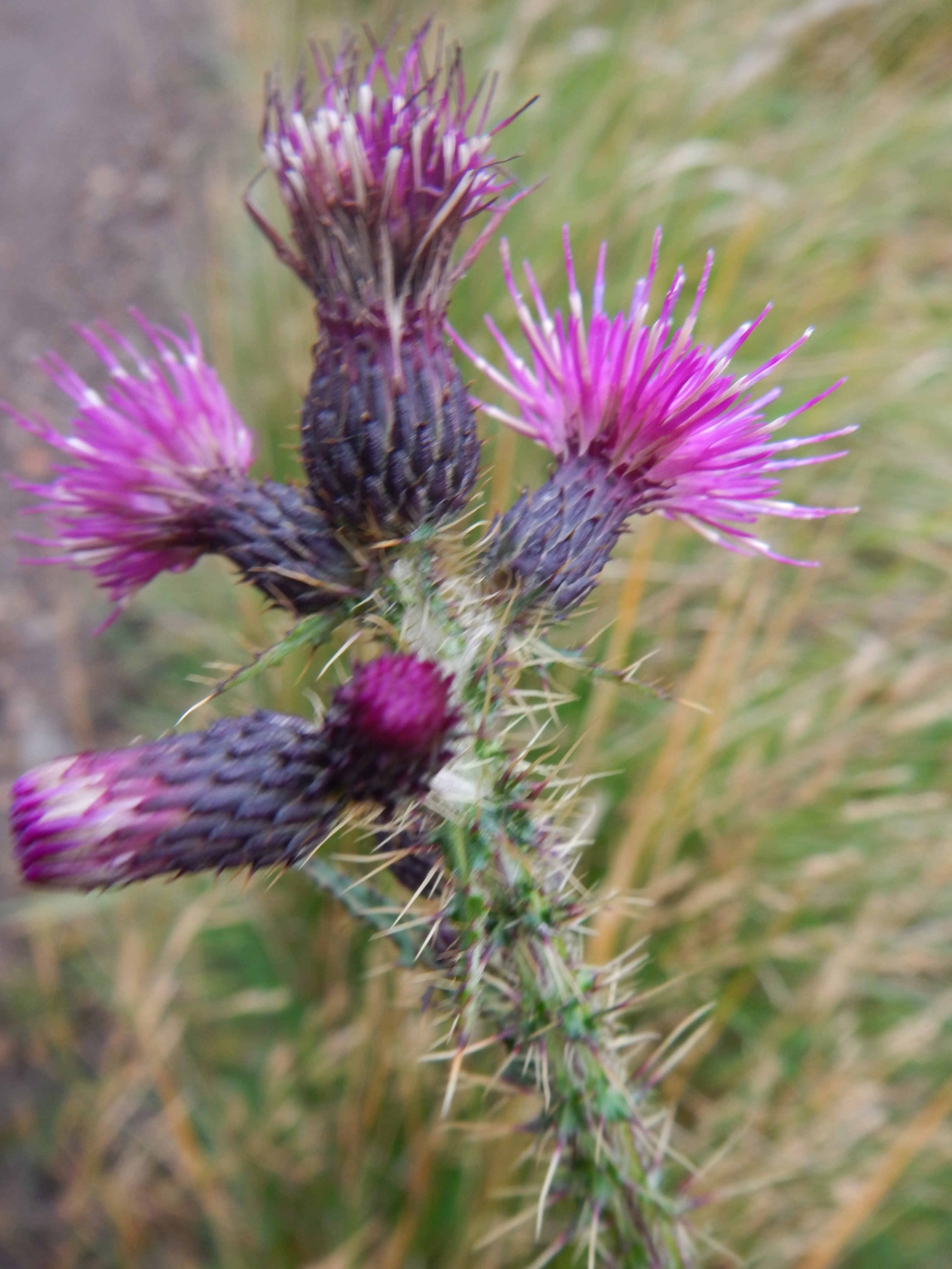
Cirsium palustre NS 7923 24Sep2017 PW
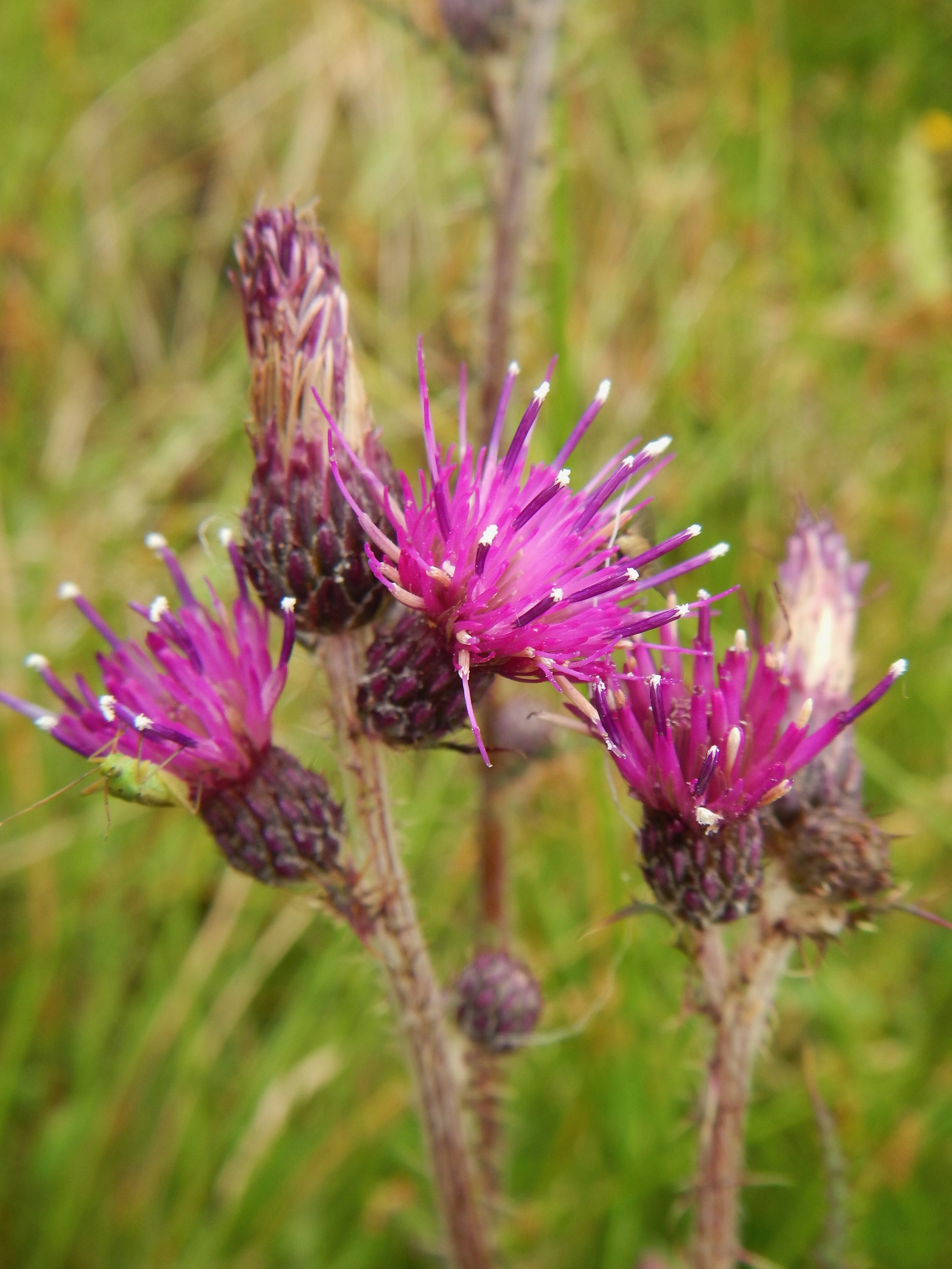
Cirsium palustre NS9335 15Jul2018 PW
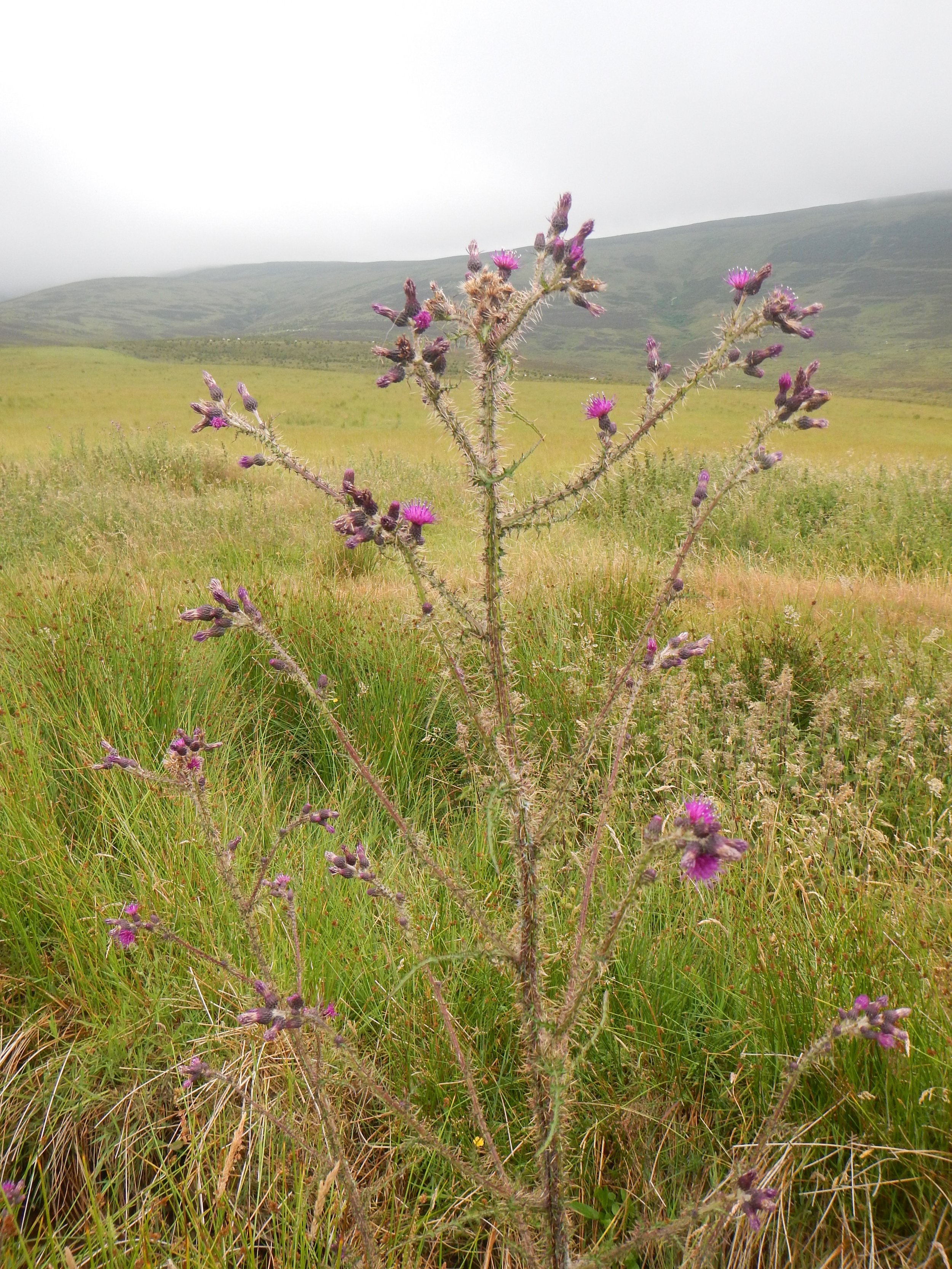
Cirsium palustre NS9335 15Jul2018 PW
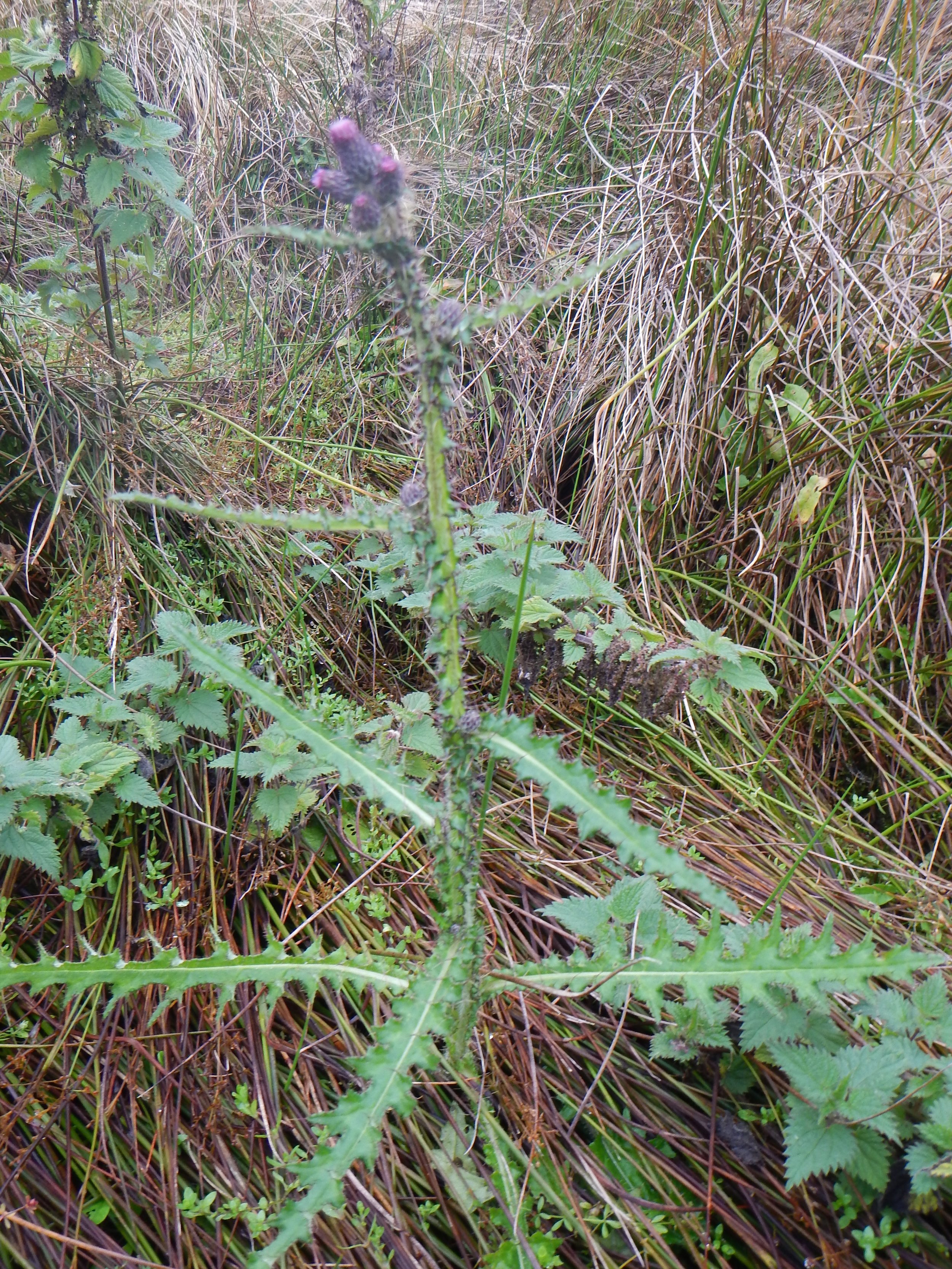
Cirsium palustre NS 7923 24Sep2017 PW
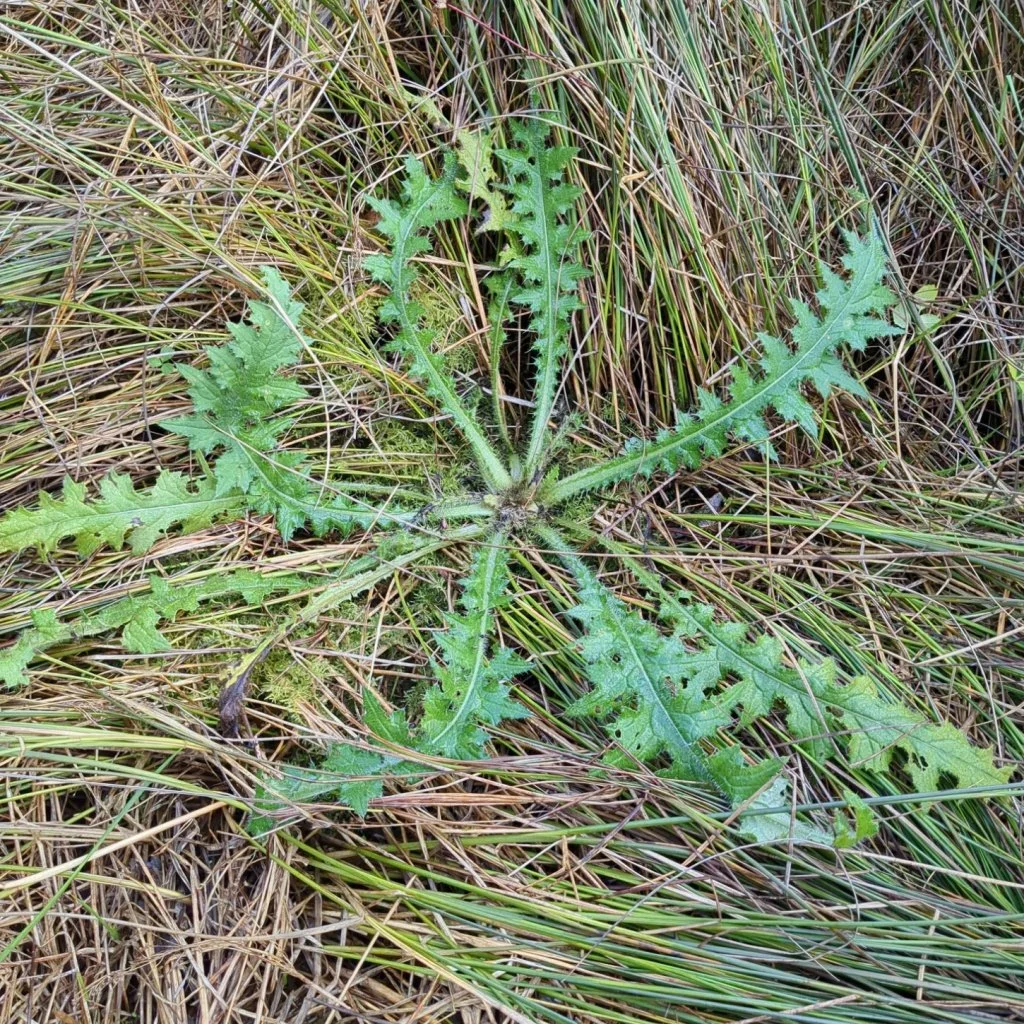
Cirsium palustre NS6054 24Jun24 PW
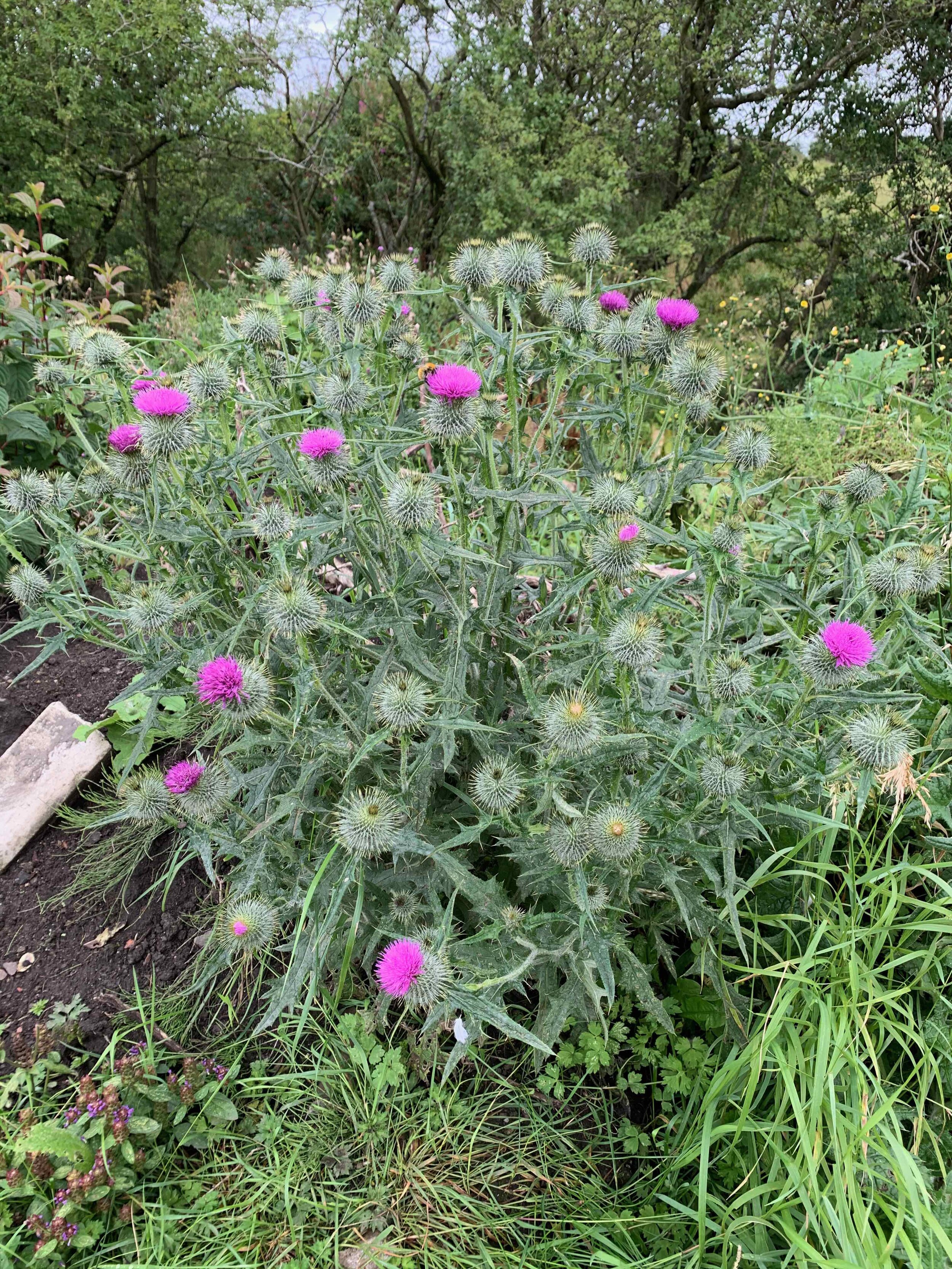
Cirsium vulgare NS 7467 28Aug2019 PW
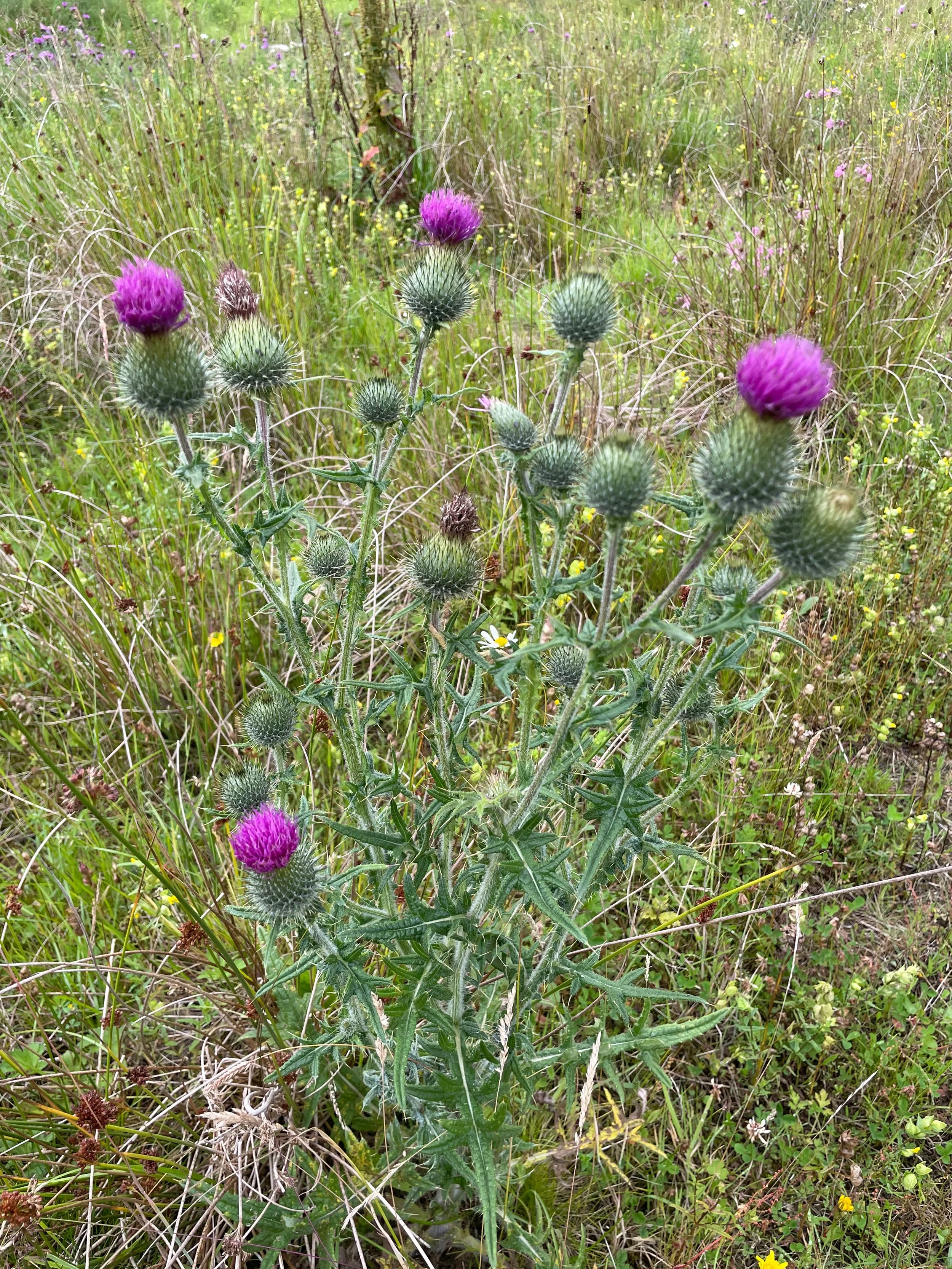
Cirsium vulgare NS6258 14July23 PW
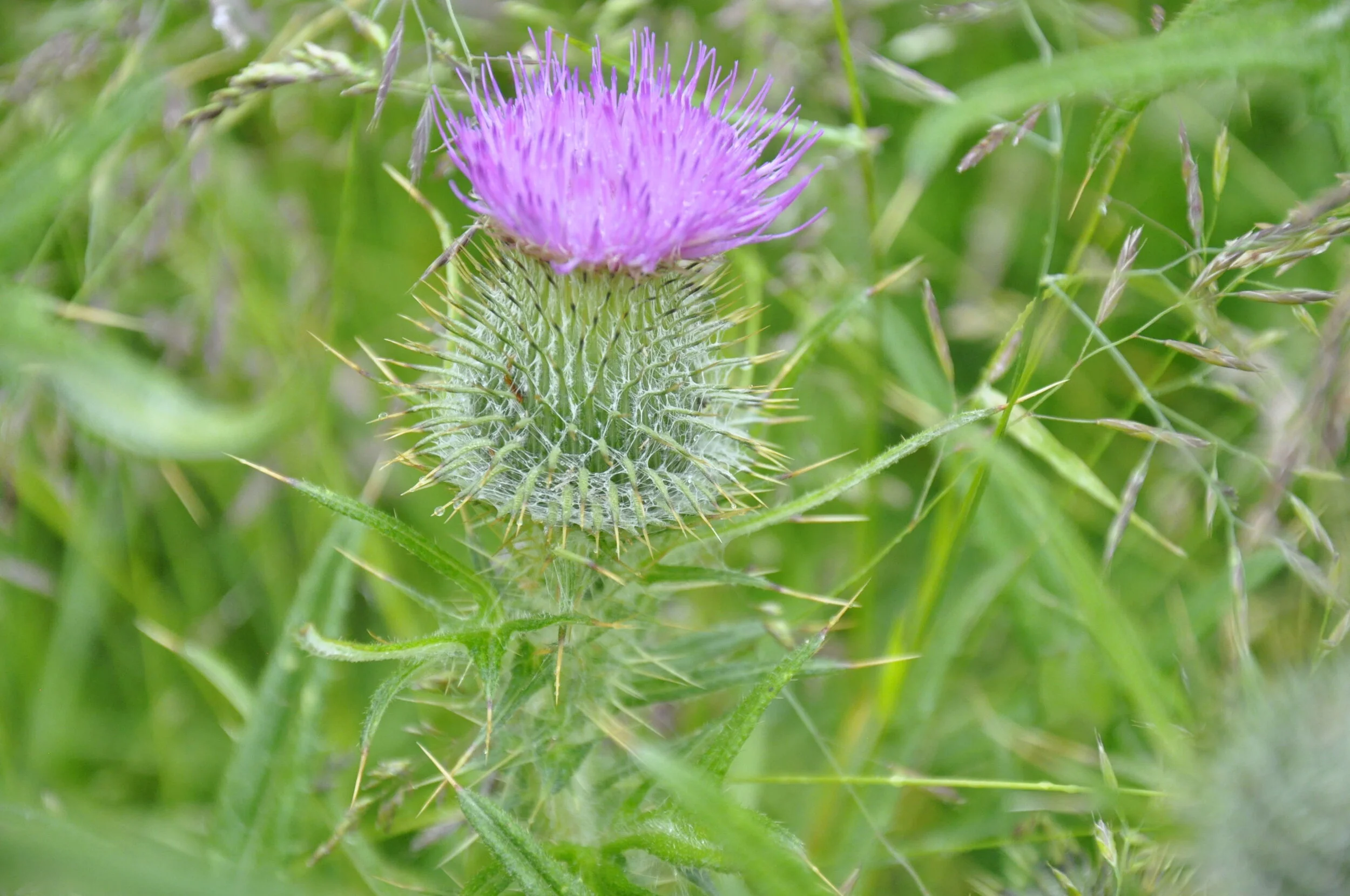
Cirsium vulgare NS8549 23June2020 DG
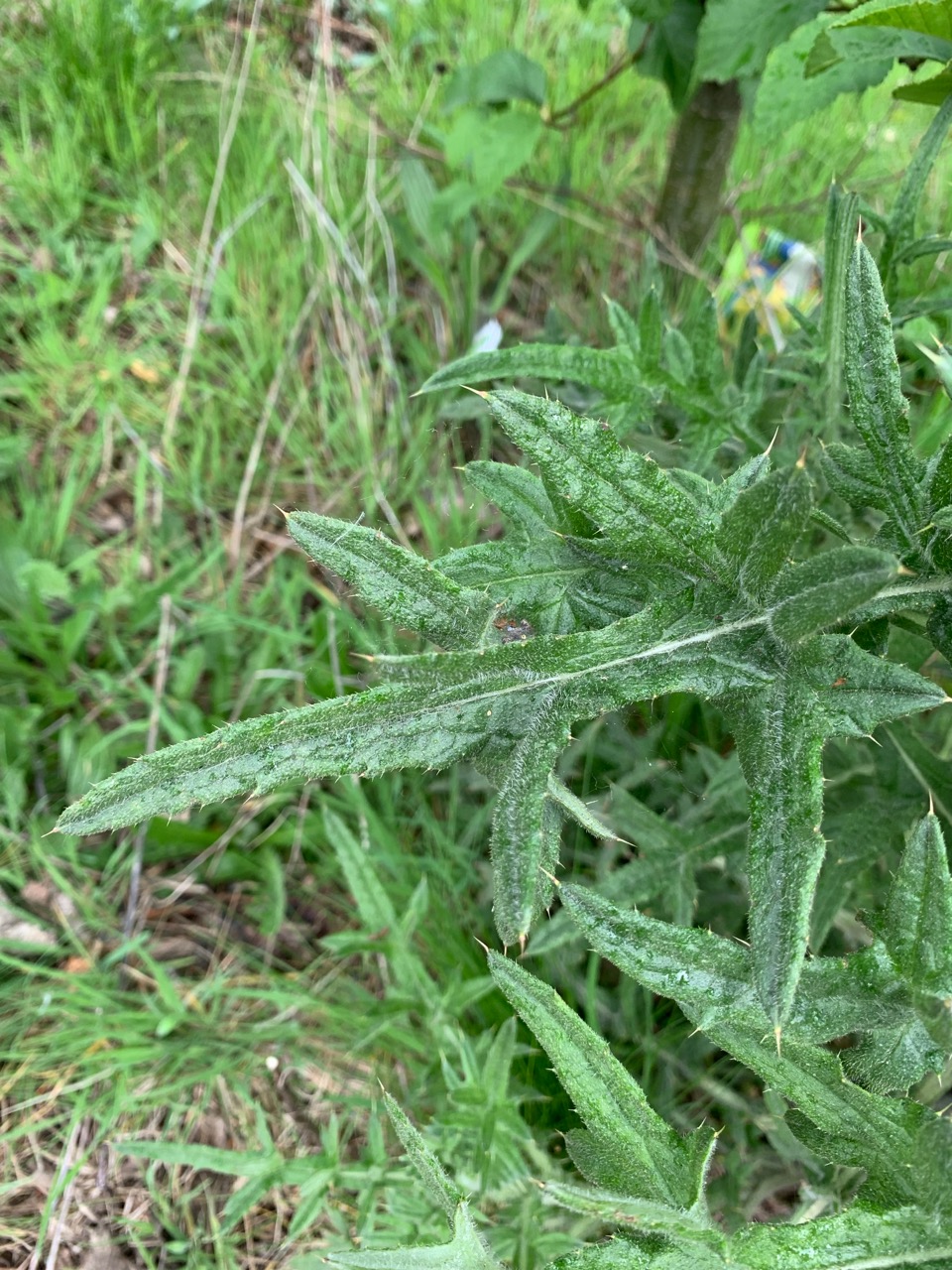
The end and the lobes are all tipped with thorns.
Cirsium vulgare NS5364 25Apr2019 PW
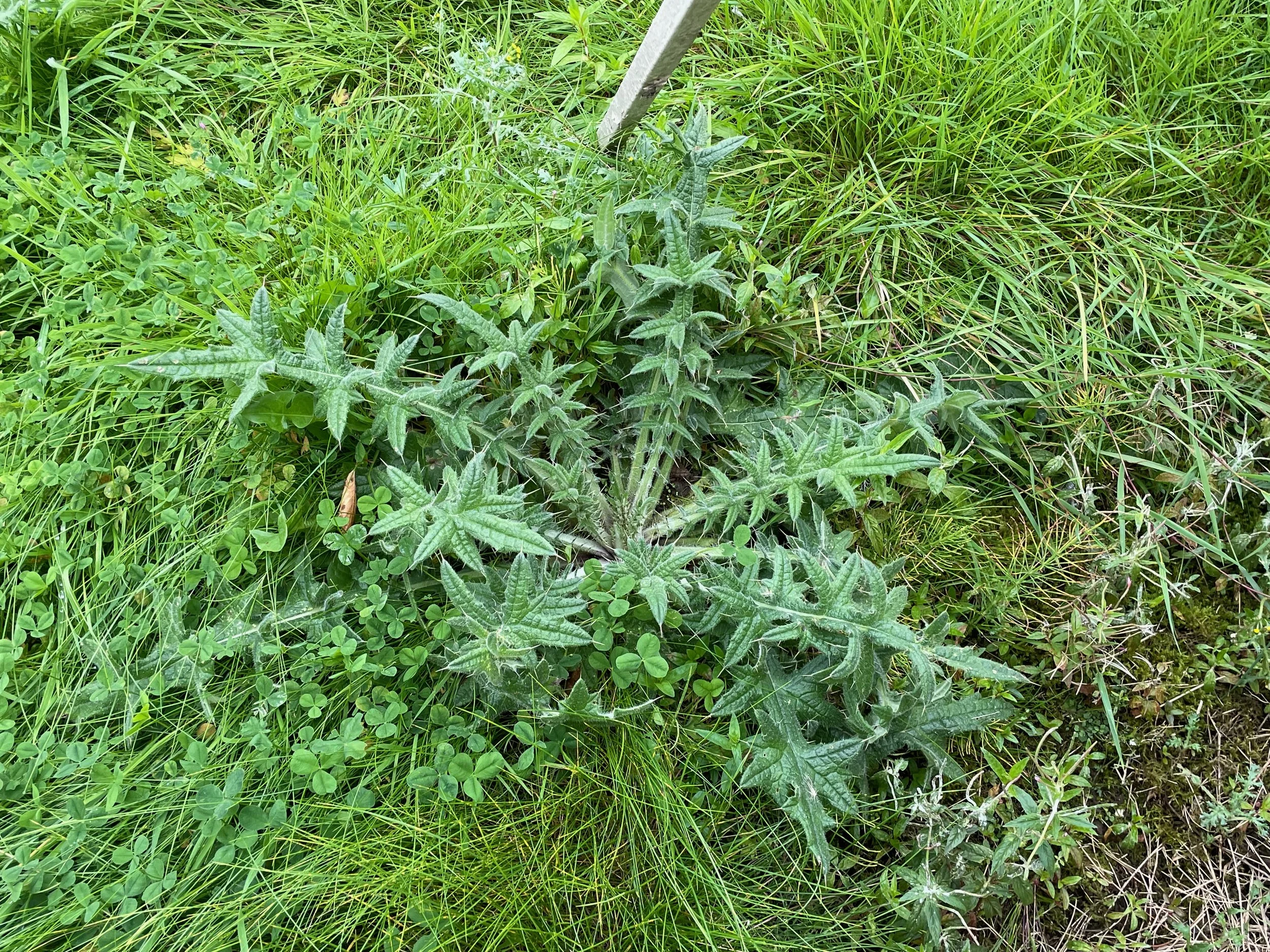
Cirsium vulgare NS7263 17Sep23 PW
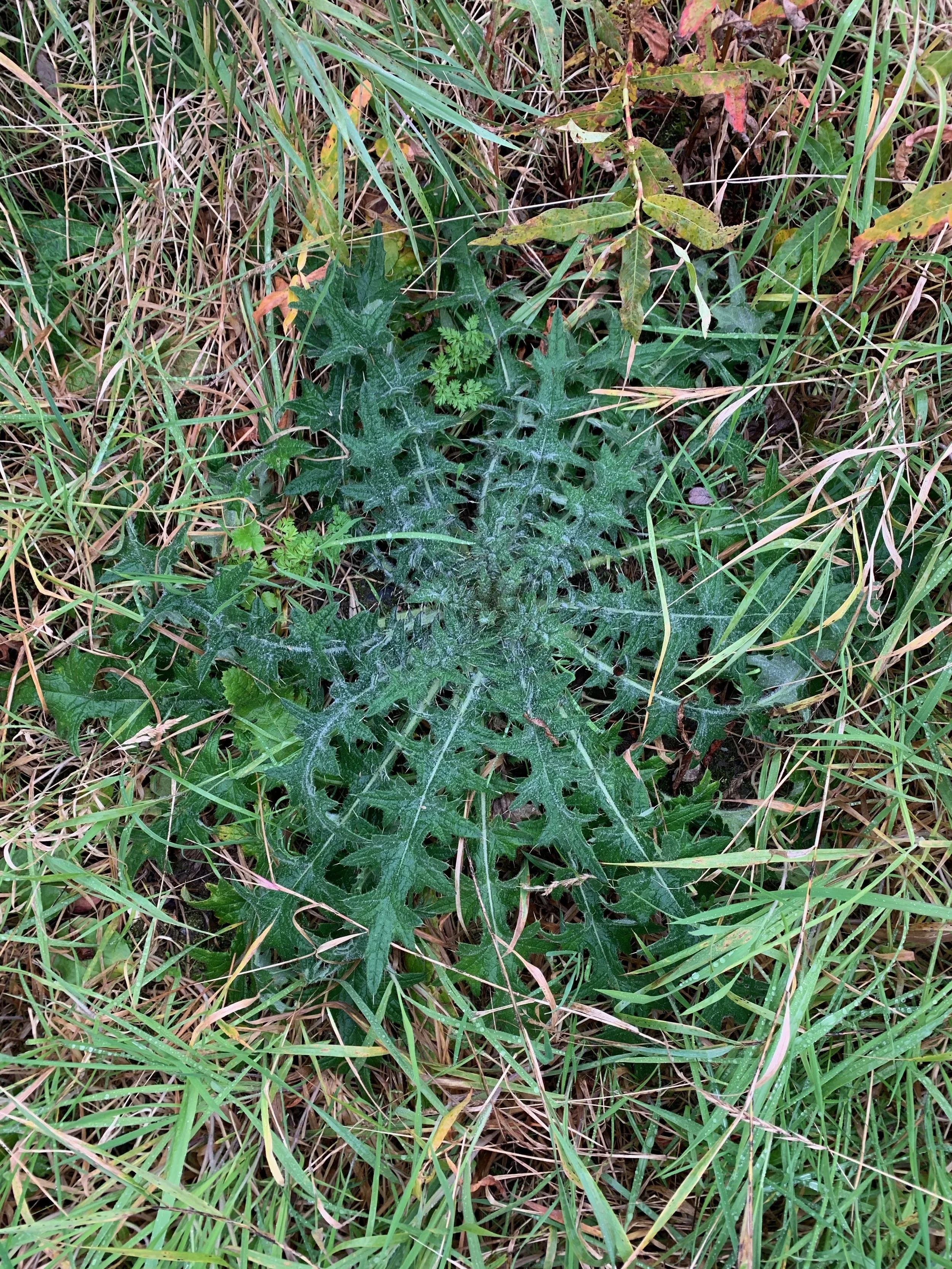
Cirsium vulgare NS5869 5Oct19 PW

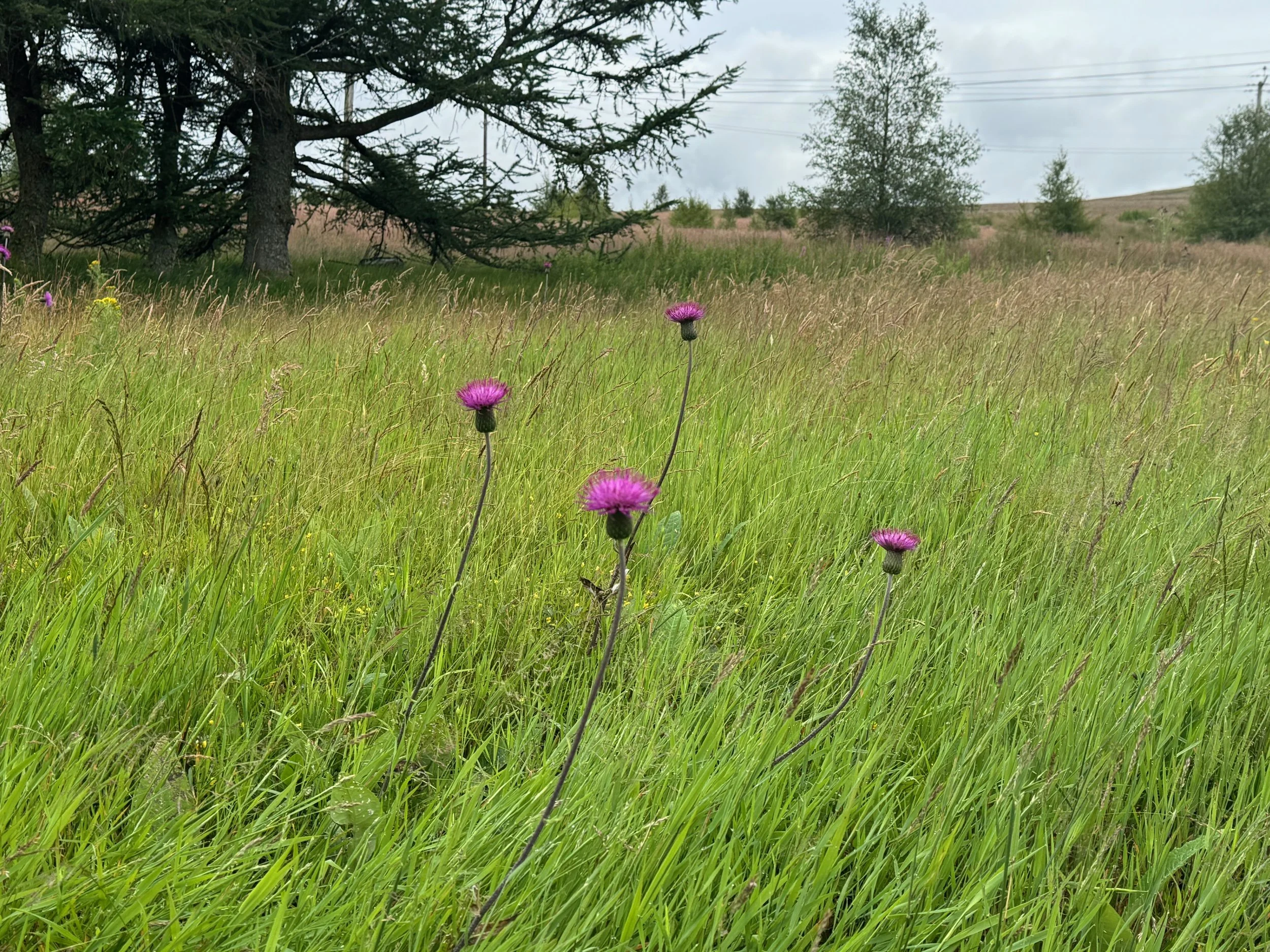
Cirsium heterophyllum NS9709 21Jul24 PW
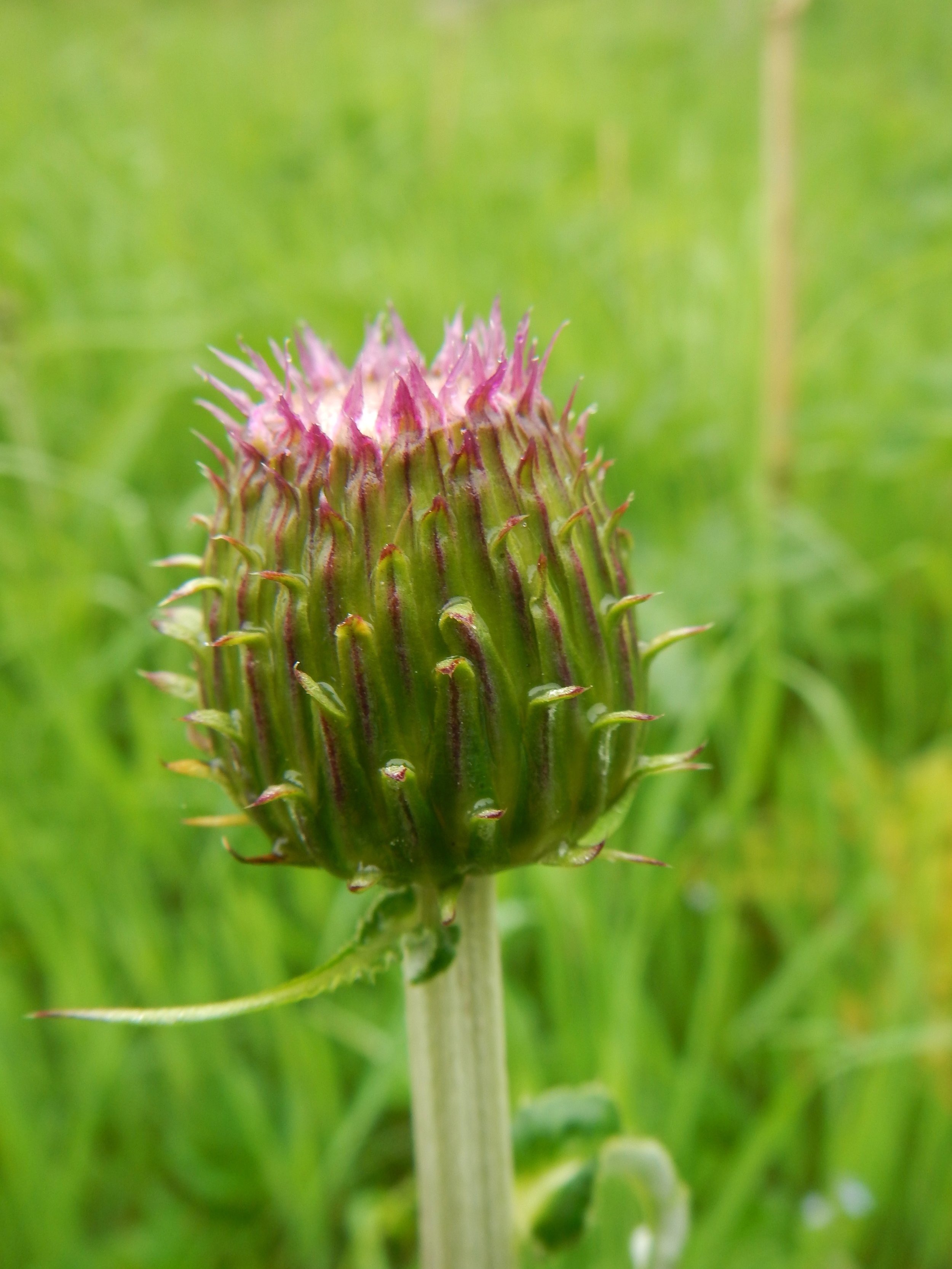
Cirsium heterophyllum NS9934 13Jun16 PW
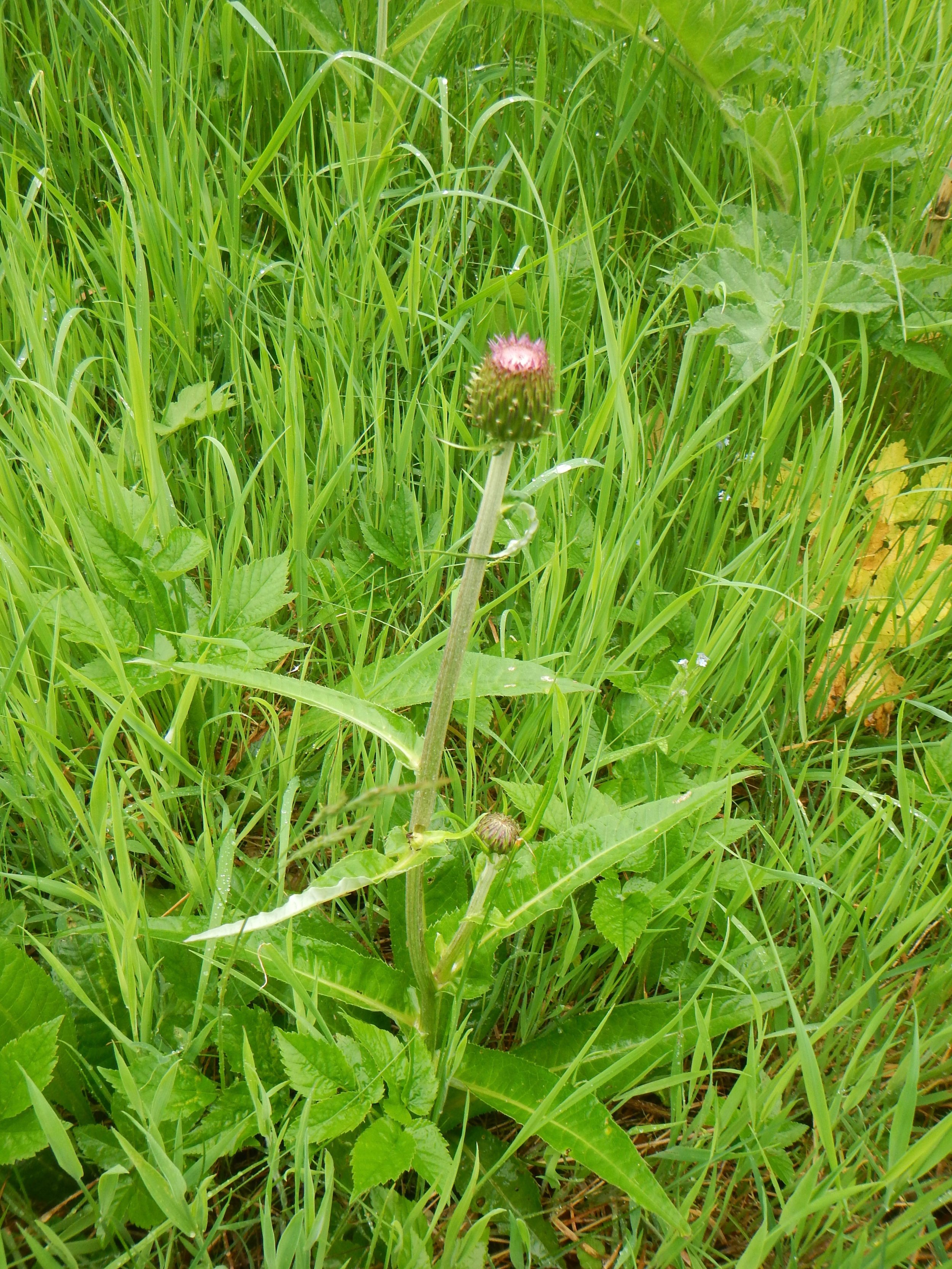
Cirsium heterophyllum NS9934 13Jun16 PW
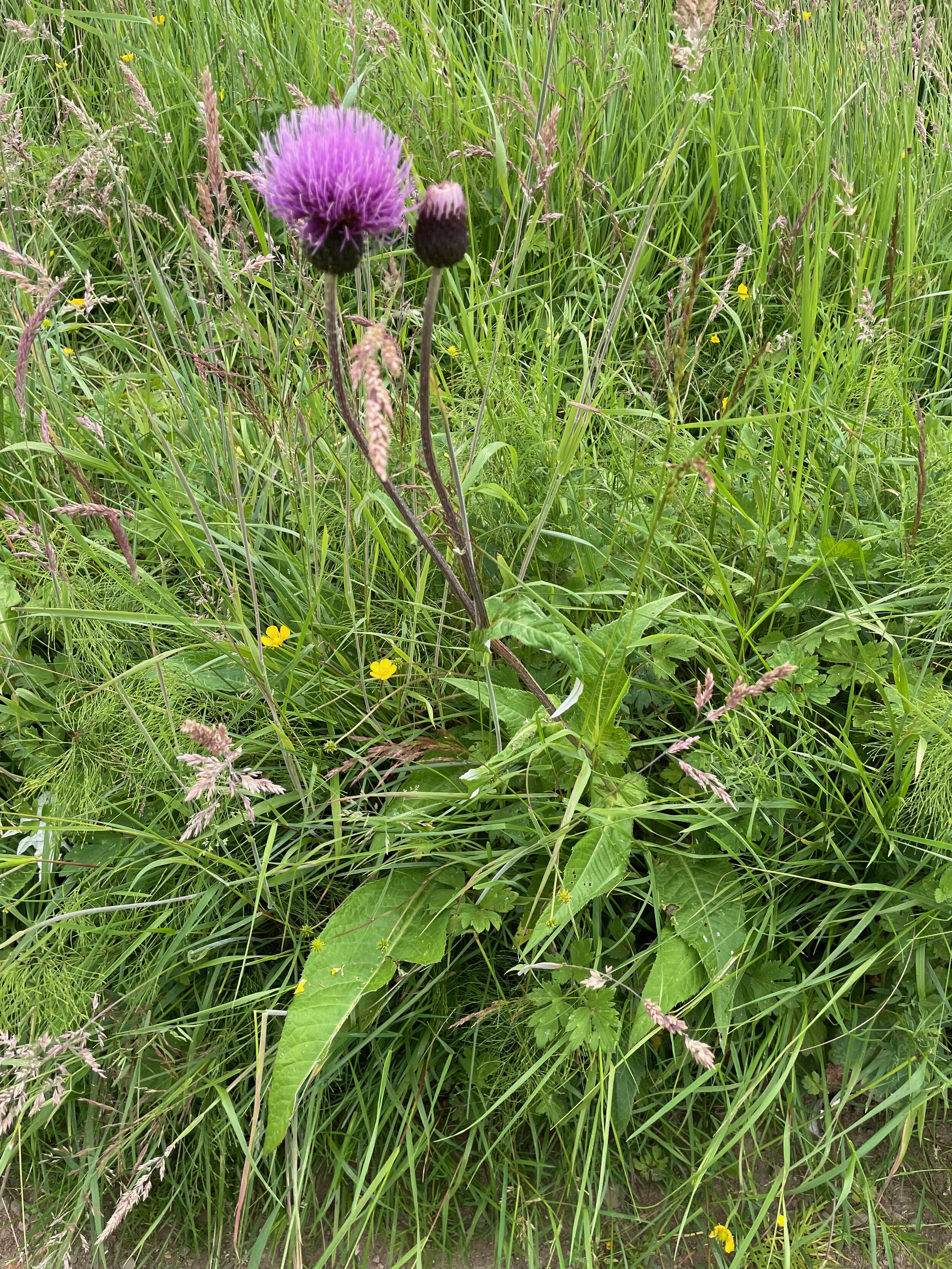
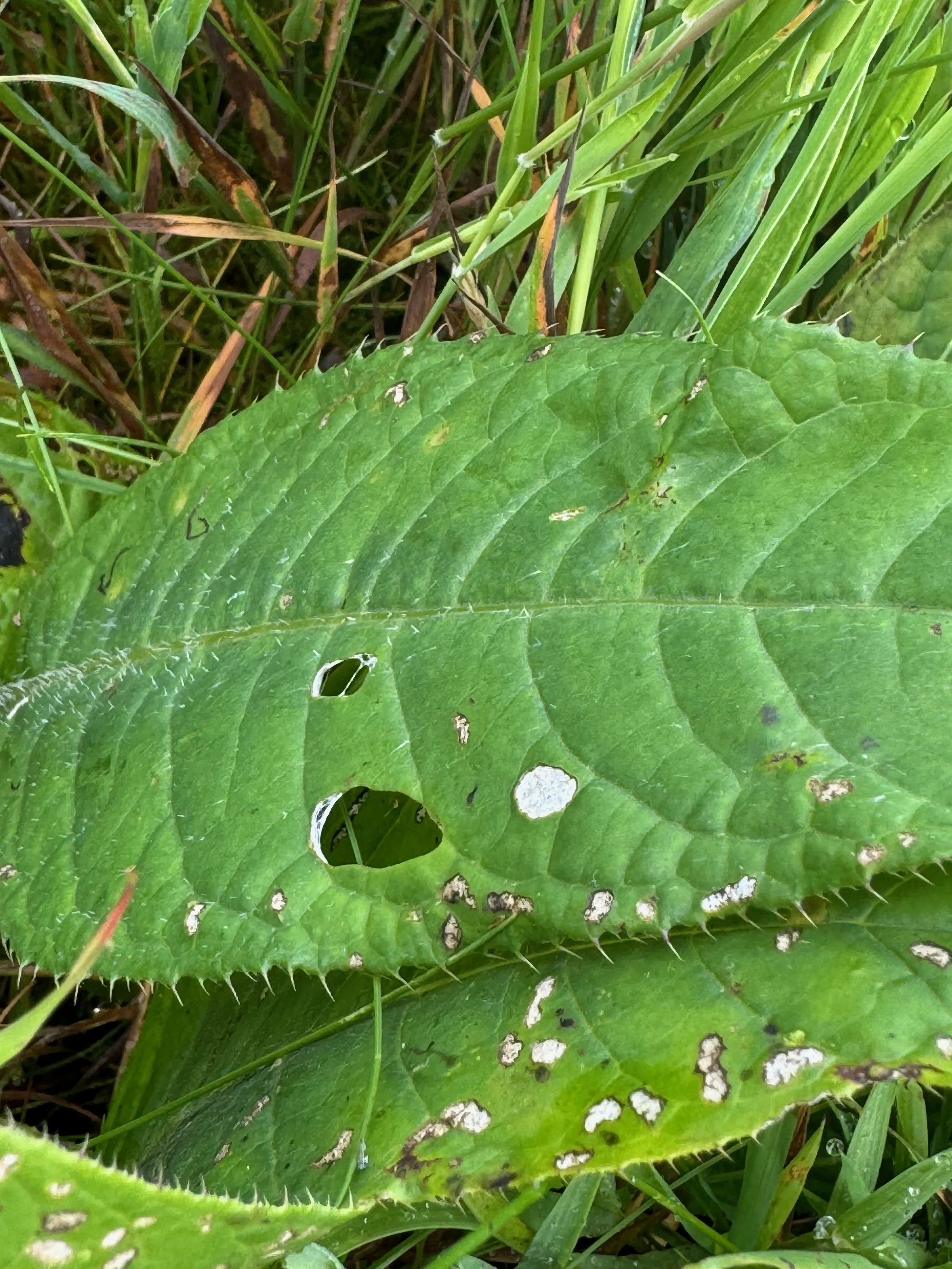
Cirsium heterophyllum NS9709 21Jul24 PW
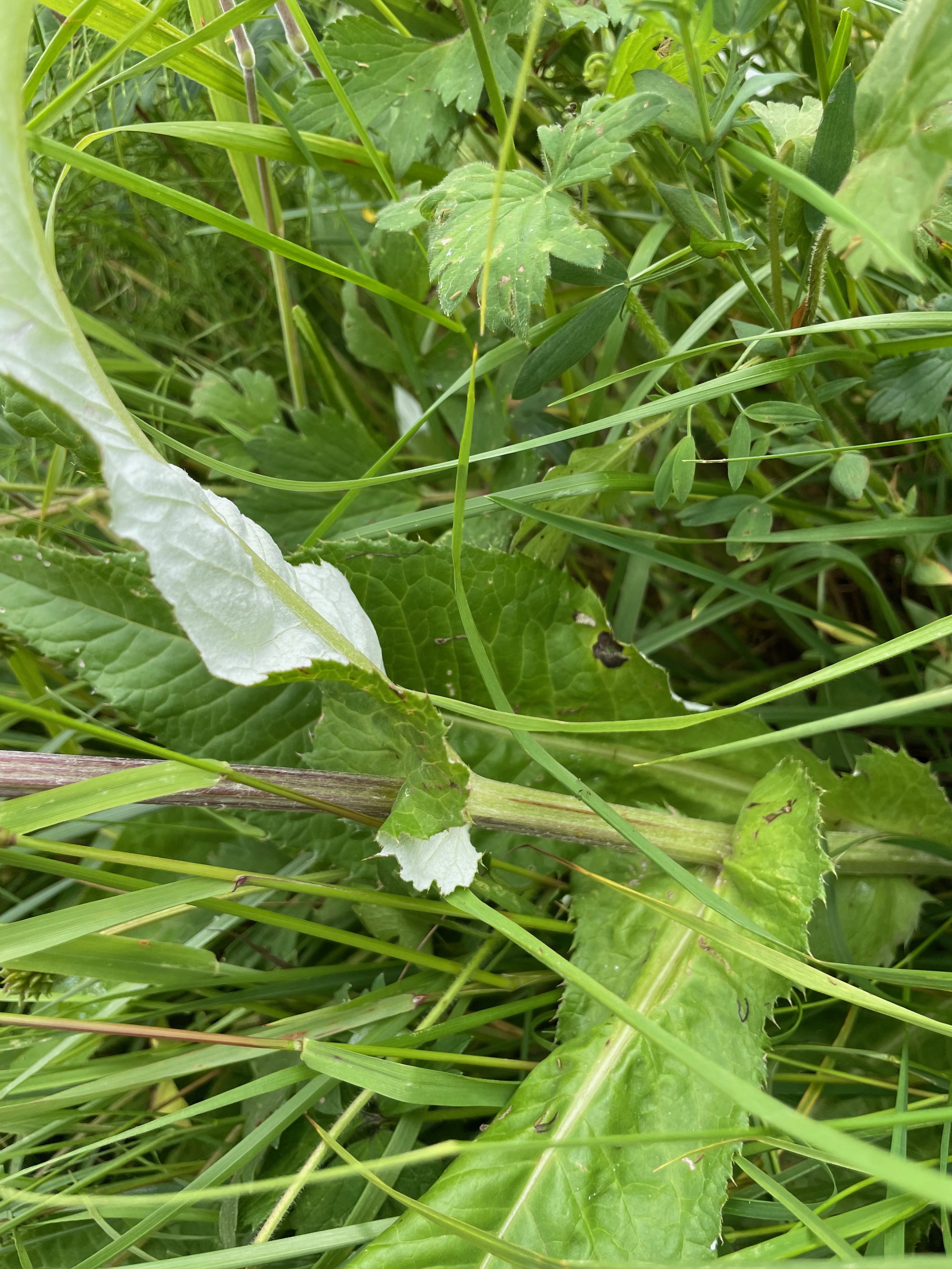
Cirsium heterophyllum NS9709 21Jul24 PW
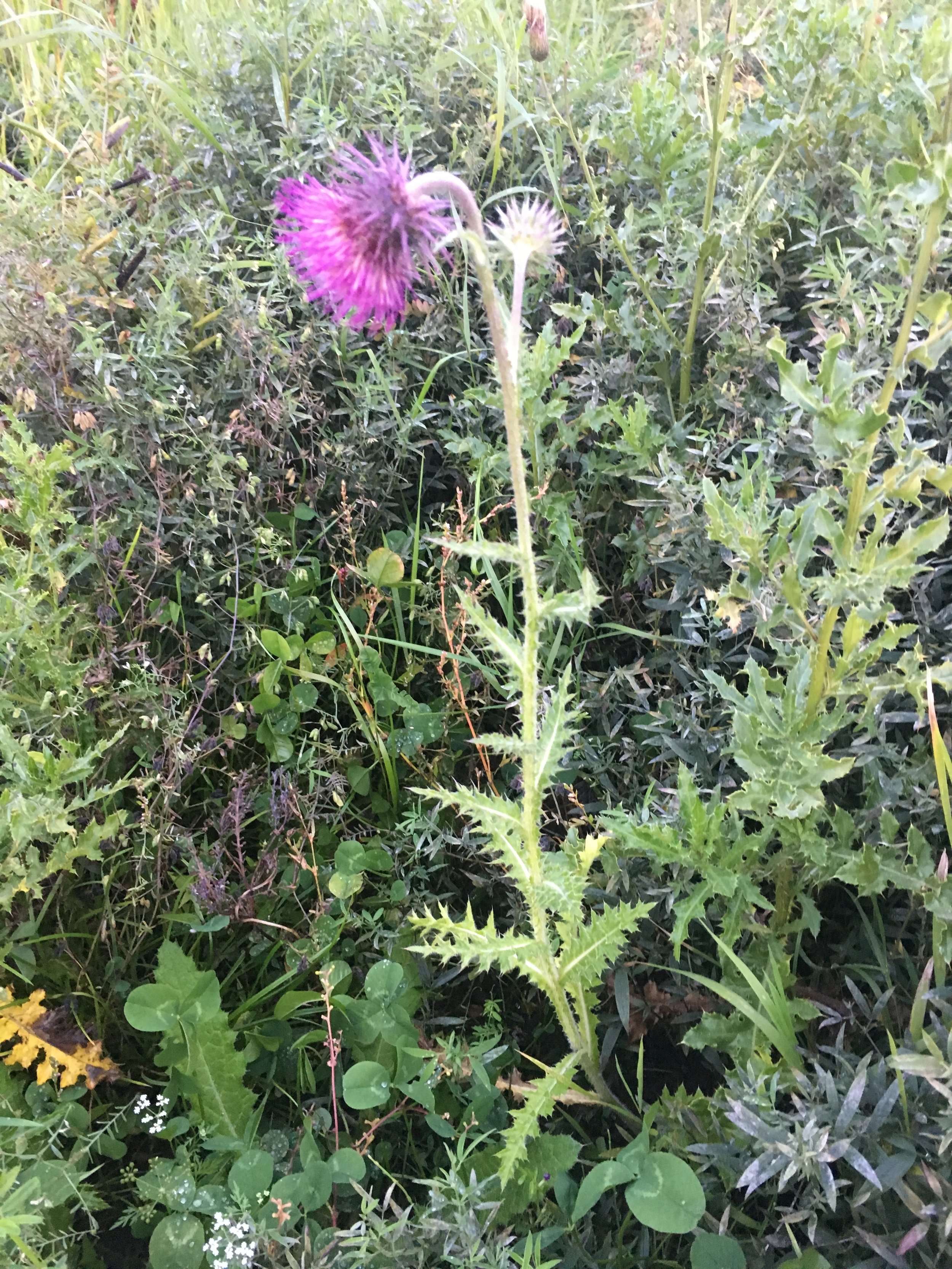
Carduus nutans NS 5665 04Sep17 PW
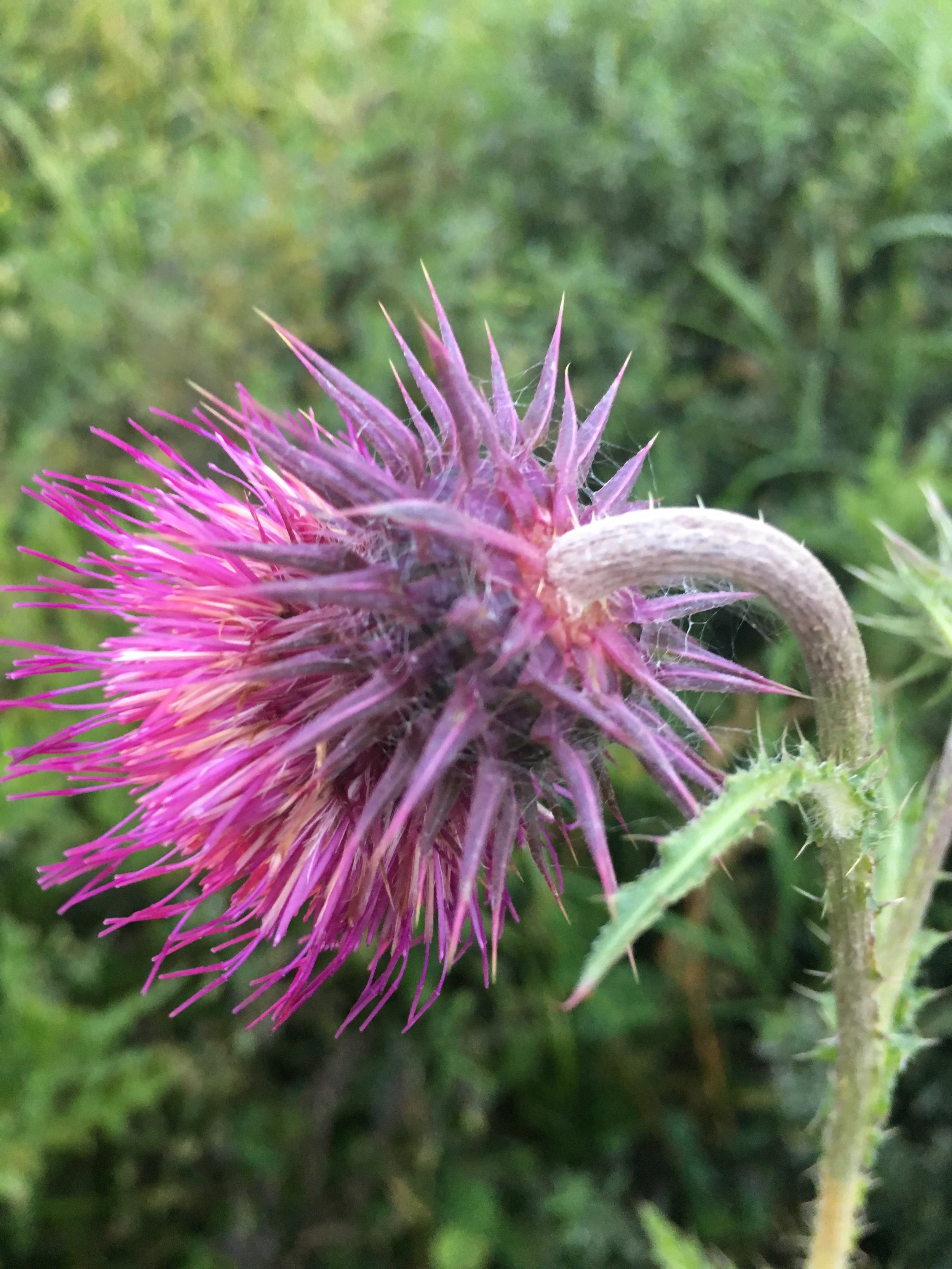
This drooping head is typical.
Carduus nutans NS 5665 04Sep17 PW
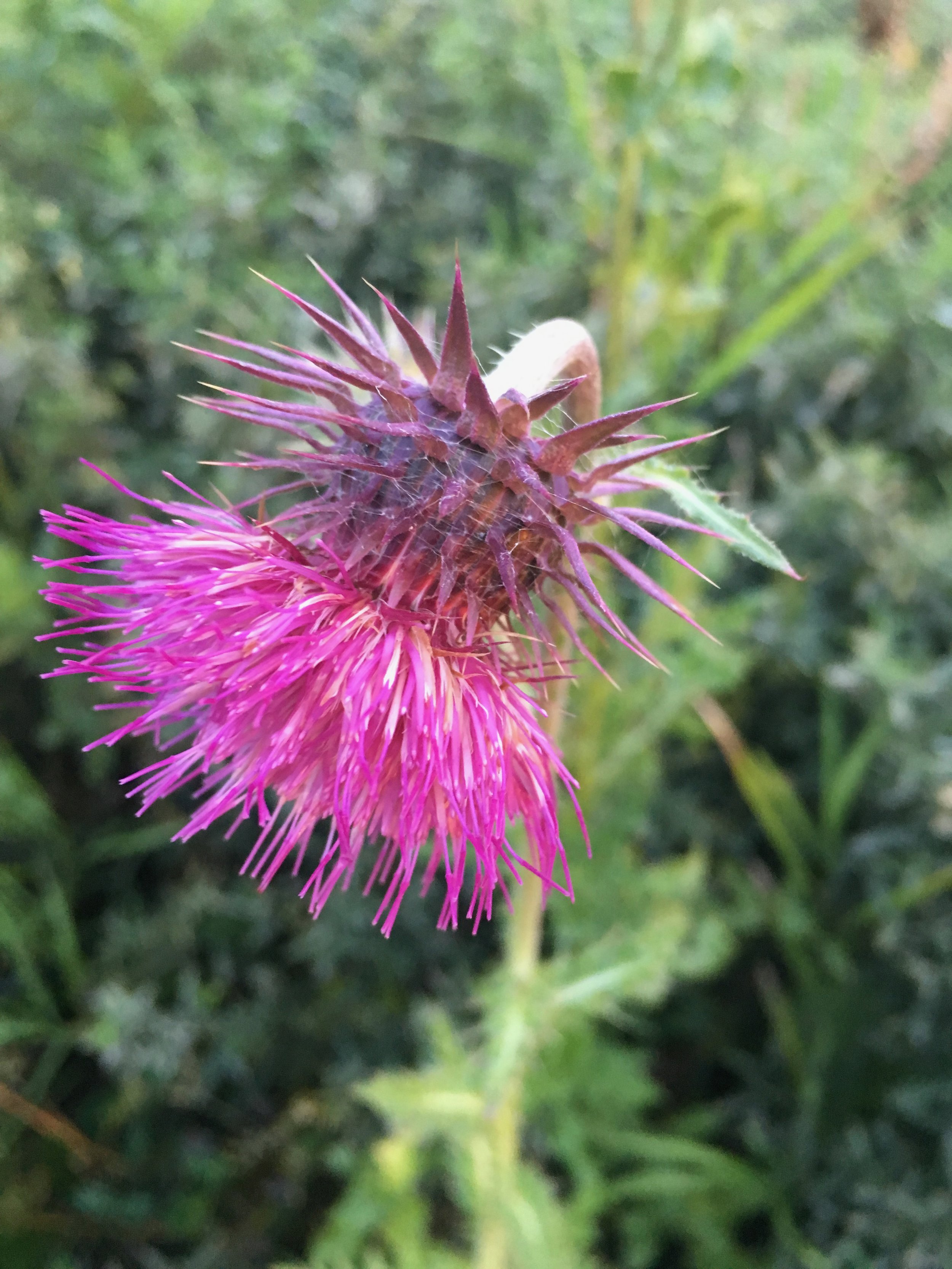
Carduus nutans NS 5665 04Sep17 PW
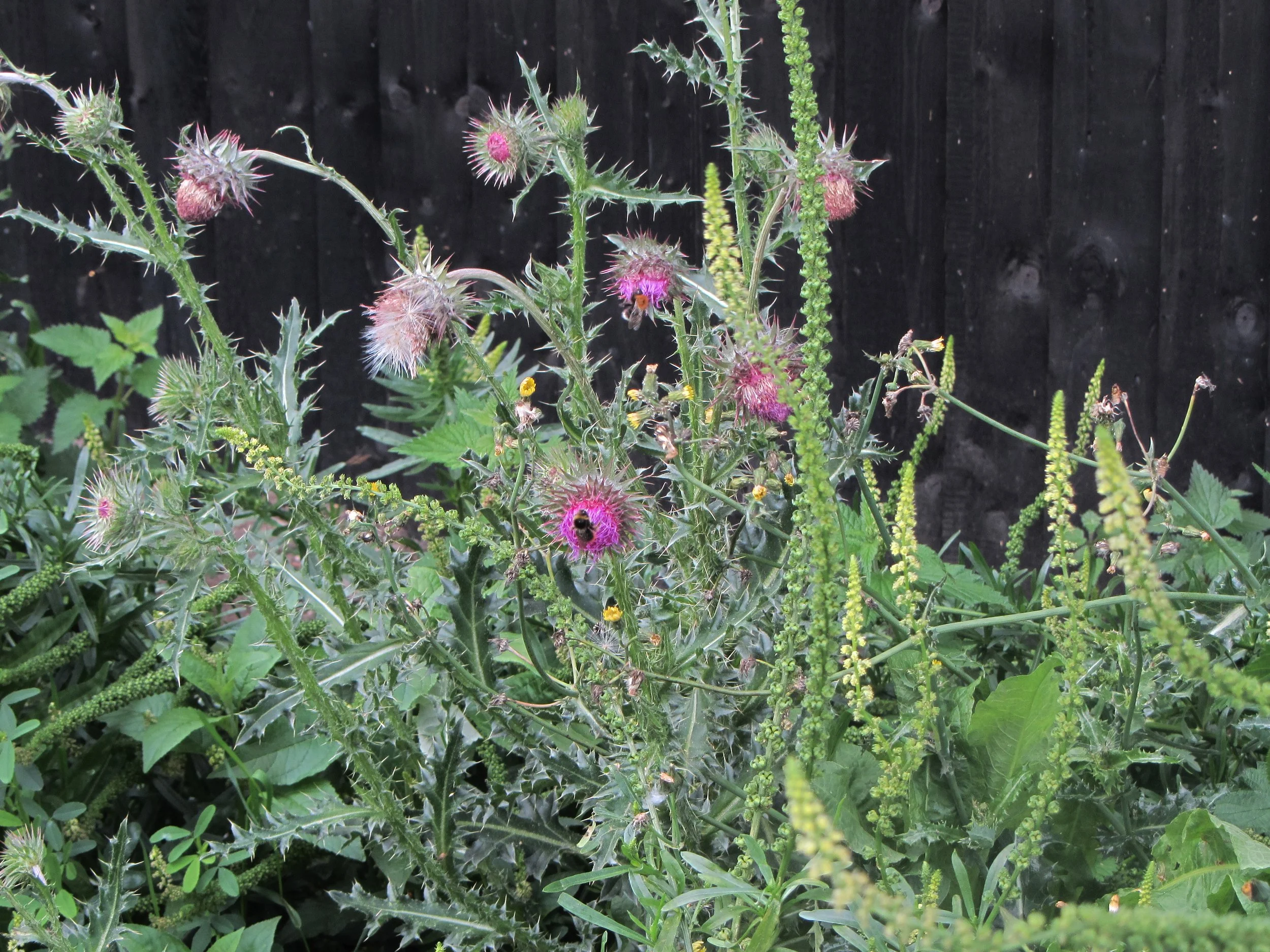
Carduus nutans NS5863 09Aug18 LM
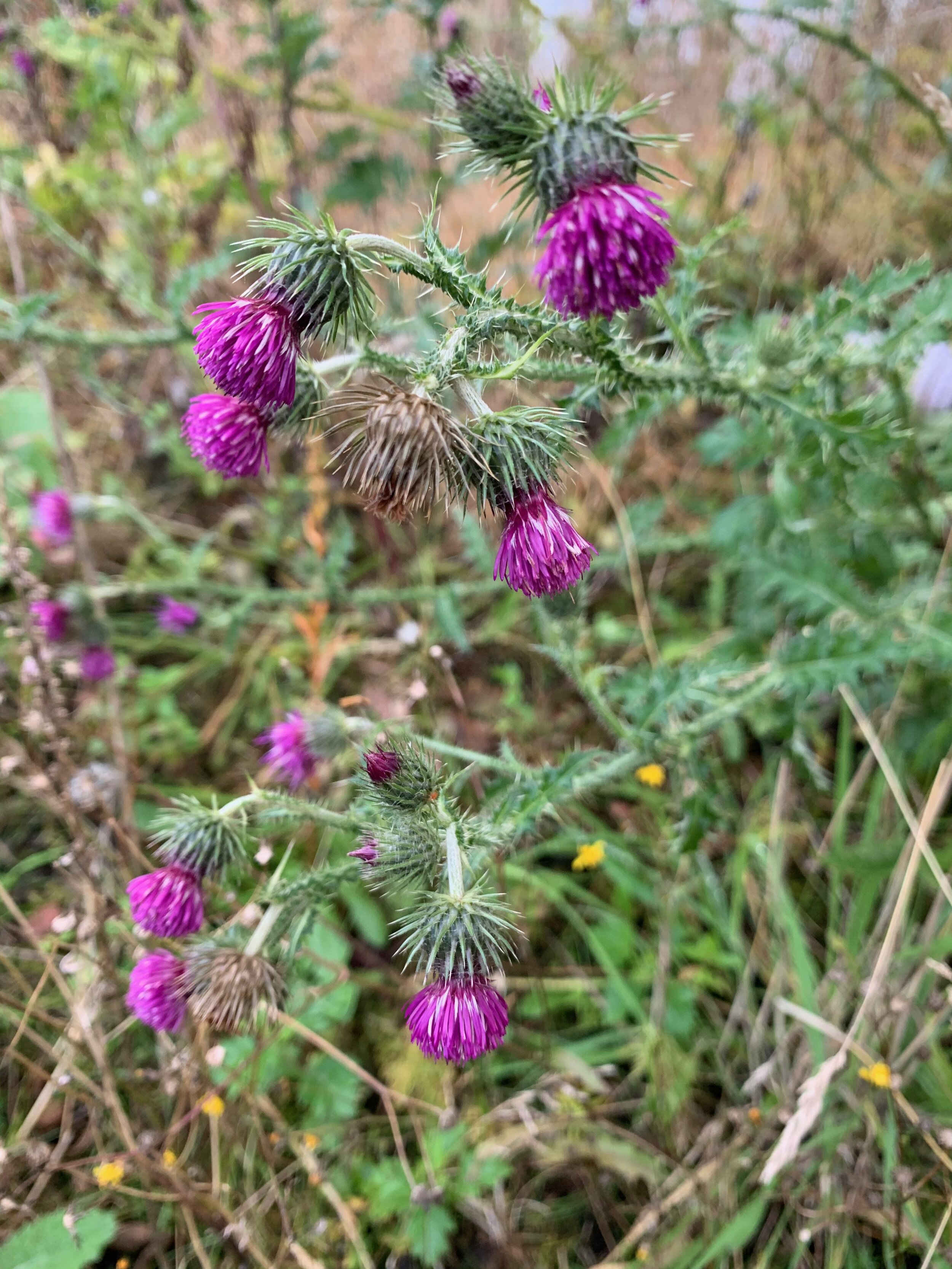
Carduus crispus NS 5585 6615 26Aug2019 PW
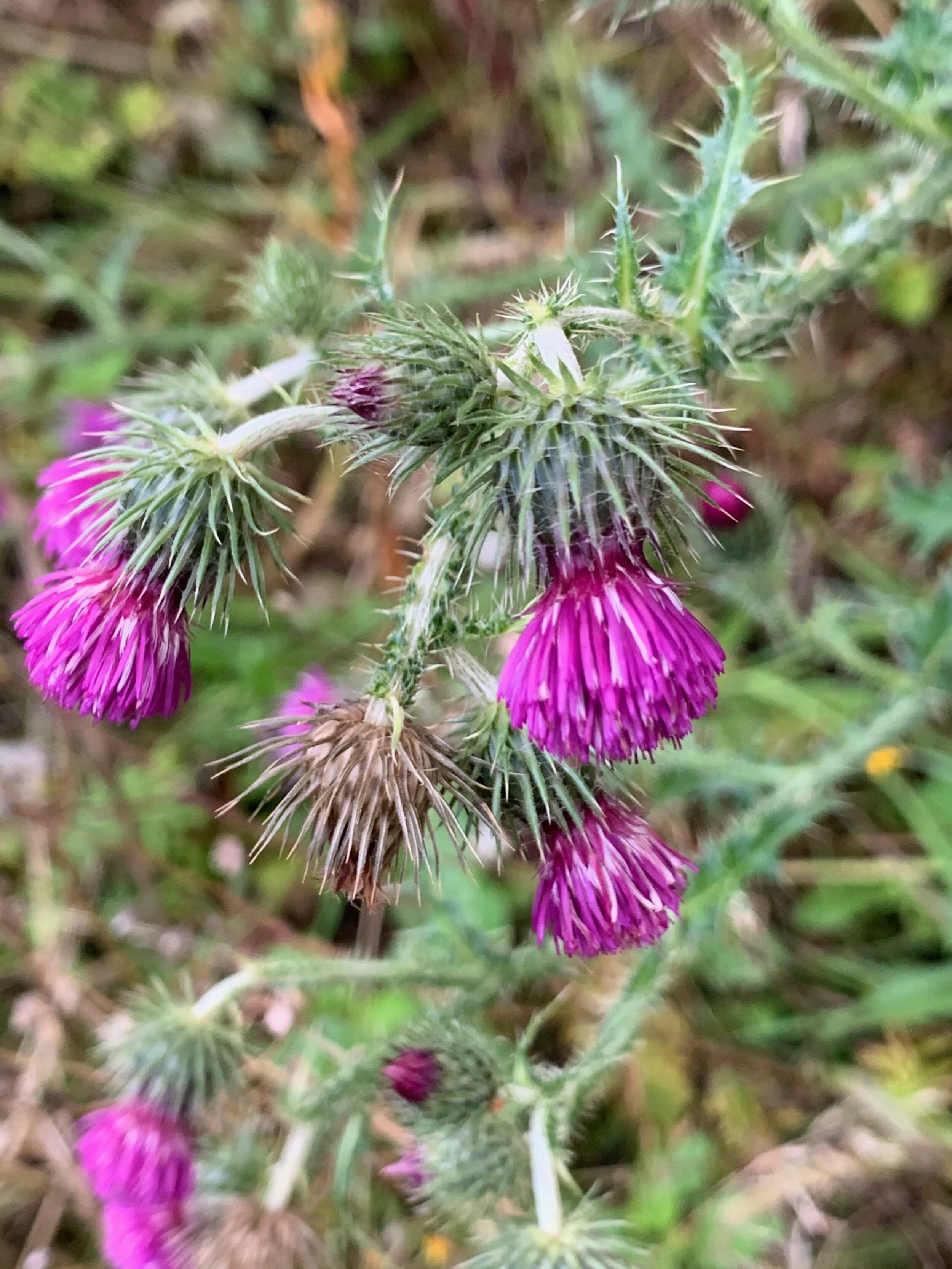
Carduus crispus NS 5585 6615 26Aug2019 PW
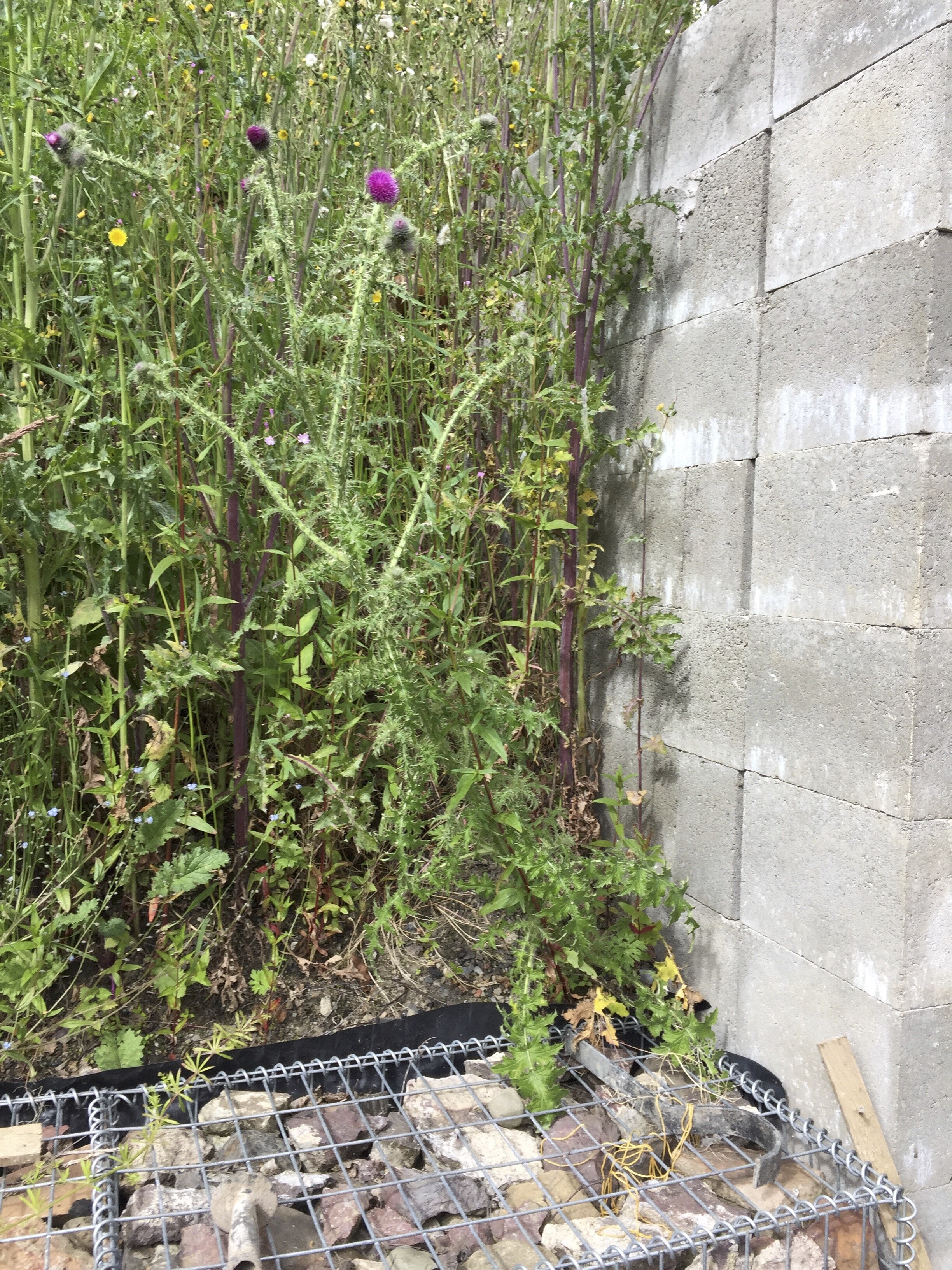
Carduus crispus NT0338 06Jul2019 MP
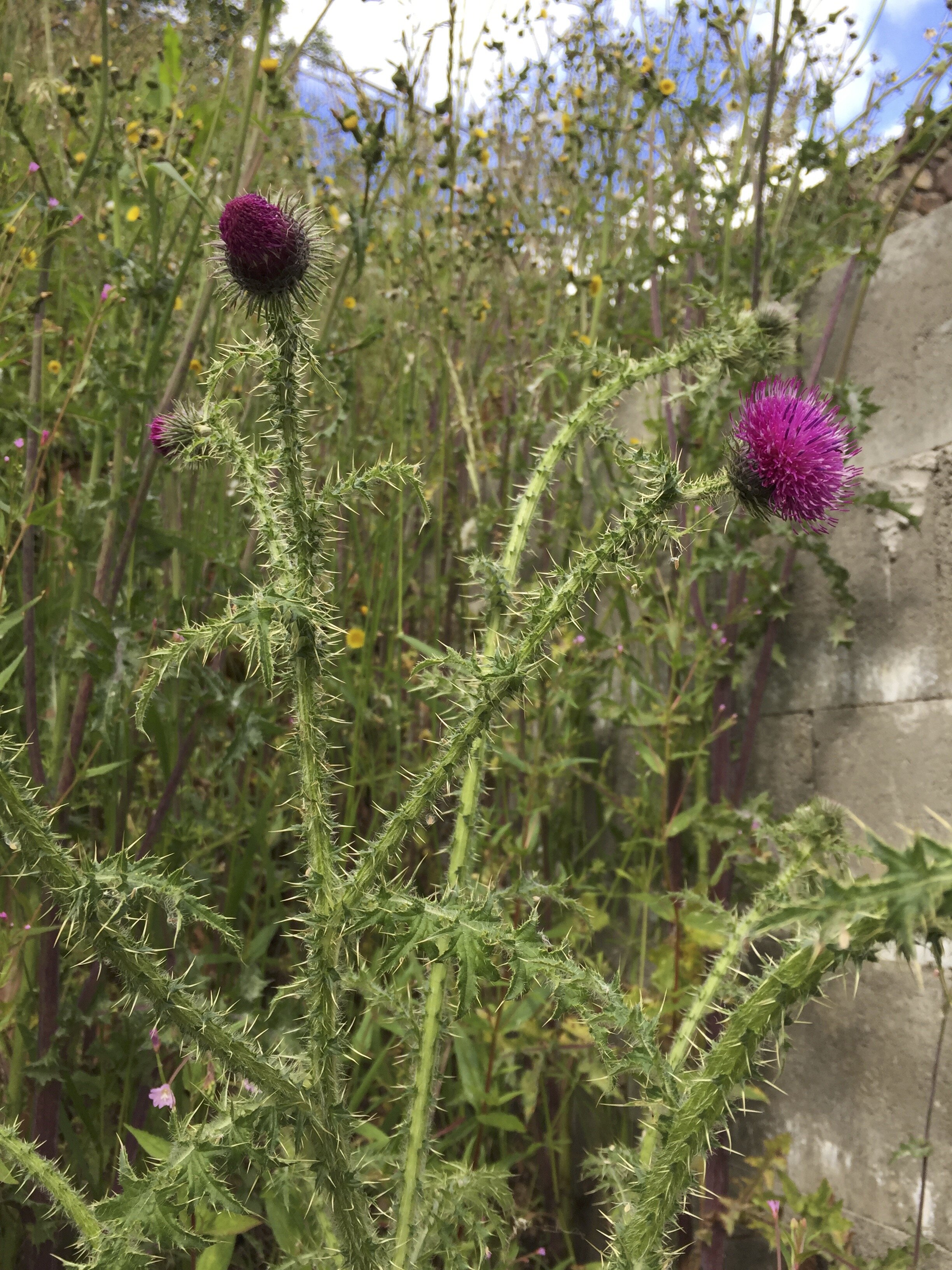
Carduus crispus NT0338 06Jul2019 MP
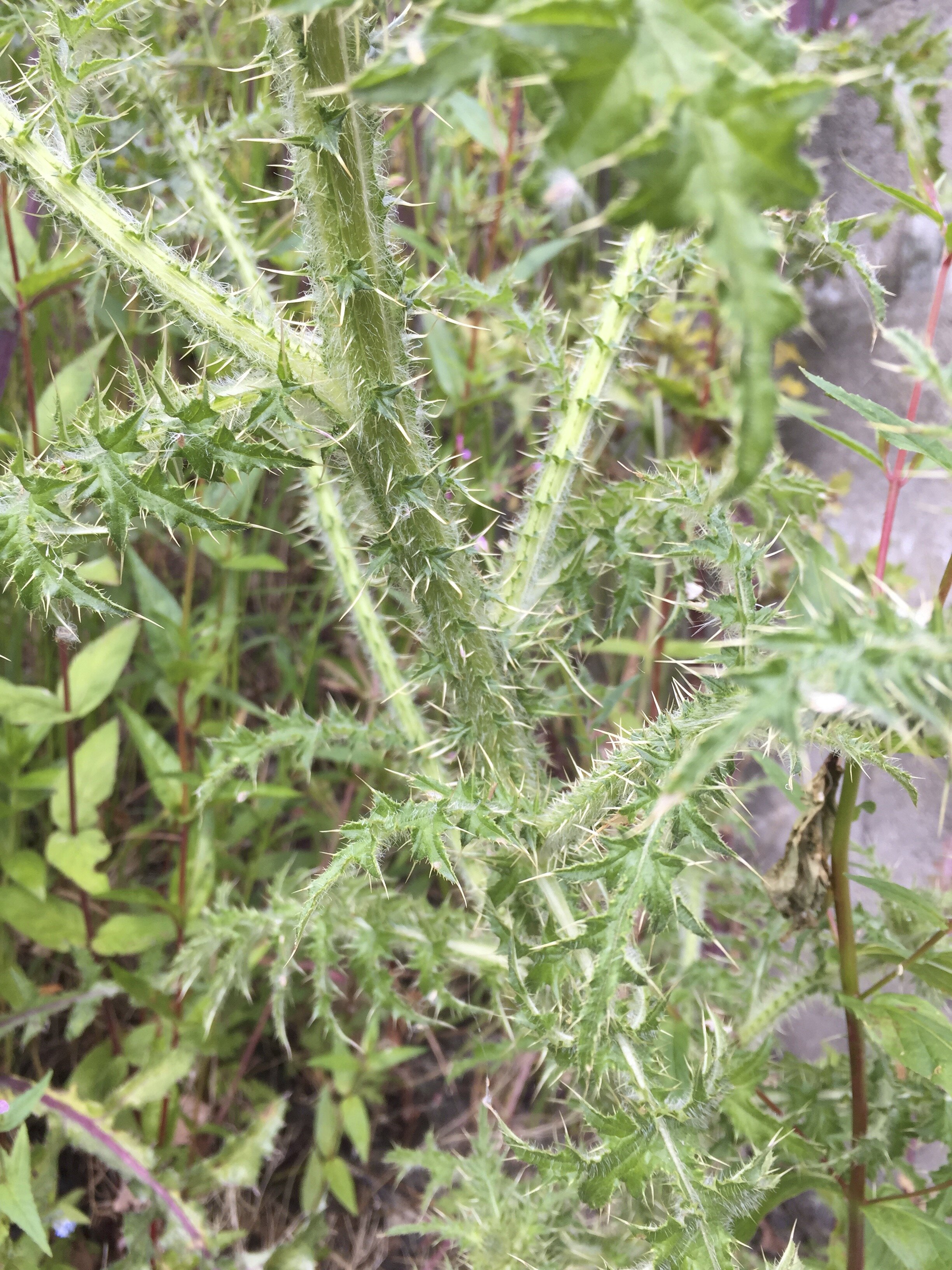
Carduus crispus NT0338 06Jul2019 MP
Cirsium and Carduus species - Thistles
Cirsium arvense Creeping Thistle has grooved, ±spineless stems which are not cottony. There is no basal rosette, and the stem leaves are grey-green above and cobwebby below. There are many small lilac flowers with a bulbous flower base, egg-shaped bracts, tightly pressed and outer spine tipped bracts spreading outwards.
Cirsium vulgare Spear Thistle has a grooved stem, with interrupted spiny wings and cottony. The basal rosette leaves are ovate and ±not lobed in first year. The upper surface is bullate and more lobed in second year with spear-shaped, lobed leaves ending in a stout spine and petioles are less spiny towards the base. One or two larger flowers in each head and the bracts at flower base are narrow, spreading and spine tipped.
Cirsium palustre Marsh Thistle has cottony stems with continuous spiny wings. The leaves are hairy above, narrowly lobed and spine tipped, often with purple borders. The basal leaves more deeply lobed than C. vulgare and the petioles are armed with spines all the way to the base. Smaller crowded leafy clusters of flowers with bracts pointed, but not spine tipped.
Cirsium heterophyllum Melancholy Thistle has an obliquely ascending, pale green stem usually with few stem leaves and 1 (-3) capitula. 25-30mm across. The stem is not winged or spiny and usually arachnoid hairy (cobweb). Basal leaves are broadly lanceolate, acute at the tip with spinulose-serrate teeth and grey beneath. Stem leaves are thinner and amplexicaul. Phyllaries are lanceolate with a weak, spiny, dark tip.
Carduus nutans Musk Thistle has discontinuously spiney wings along the hairy stem which stop on the petioles below the solitary, large capitula (30-65mm across excluding the flowers). The outer phyllaries are strongly reflexed and the capitula is pendant to 90º
Carduus crispus Welted Thistle has a continuously winged cottony stem nearly up to capitula which is in clusters of 2-4, each 15-20 mm across excluding the flowers. The phyllaries stick out. The stem leaves have broader side lobes than Cirsium palustre or C. vulgare.
Stace, Poland, Crewe, Streeter Nov25