

Lysimachia punctata NS6058 14Aug2019 PW
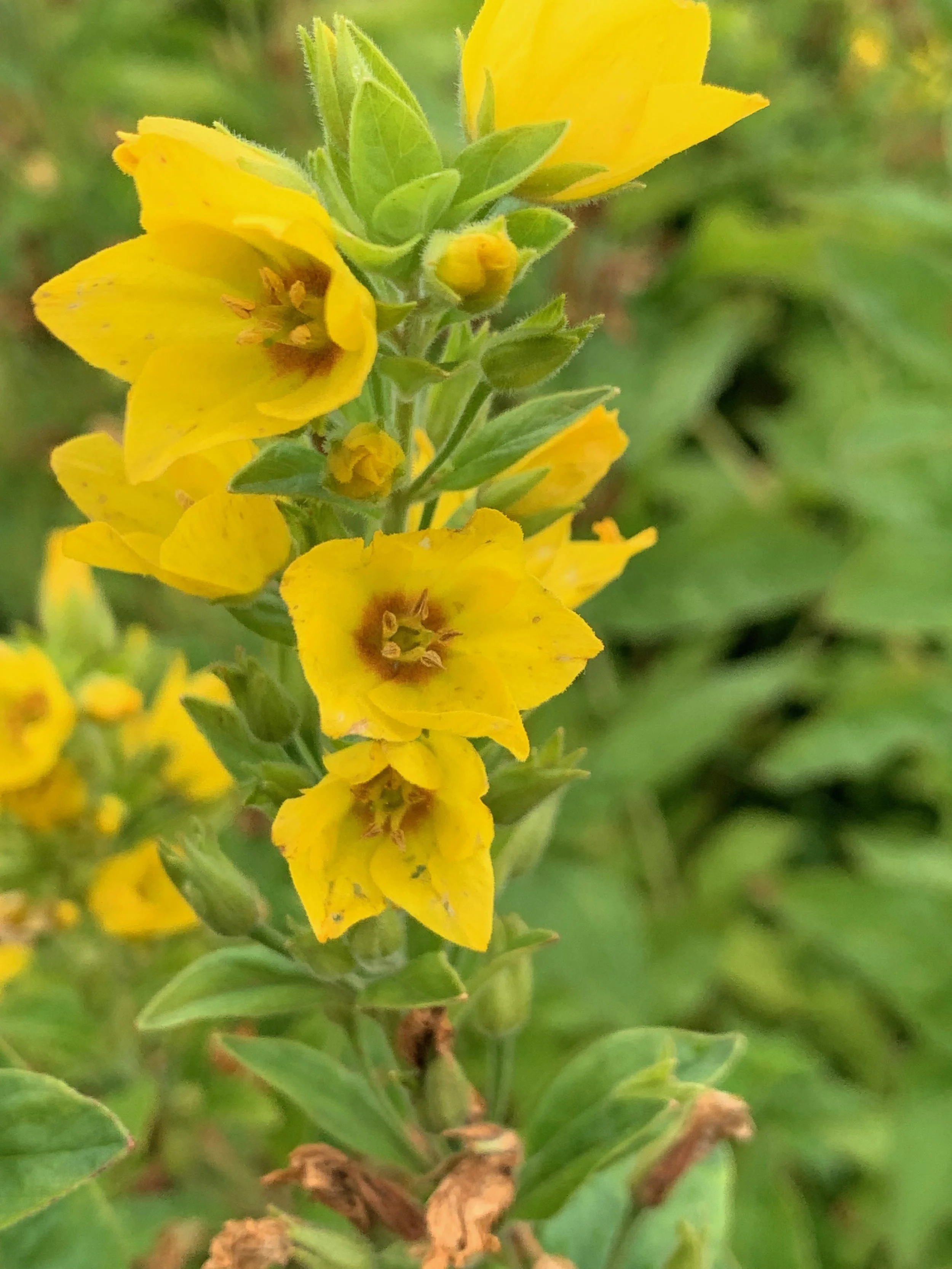
The flowers are crowded together.
Lysimachia punctata NS6058 14Aug19 PW
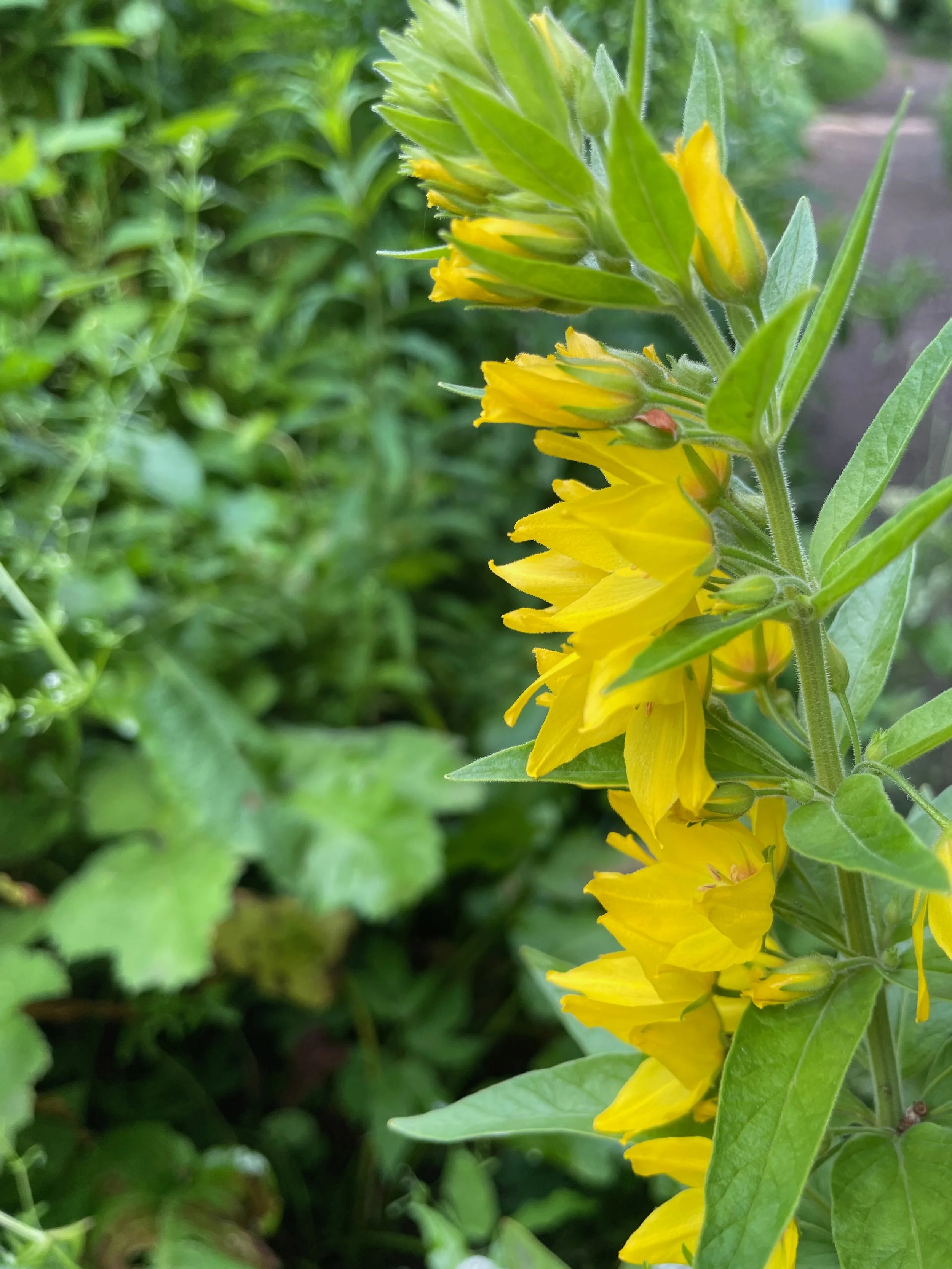
The flowers are on a short stalk (<2cm).
Lysimachia punctata NS5858 23Jun23 PW
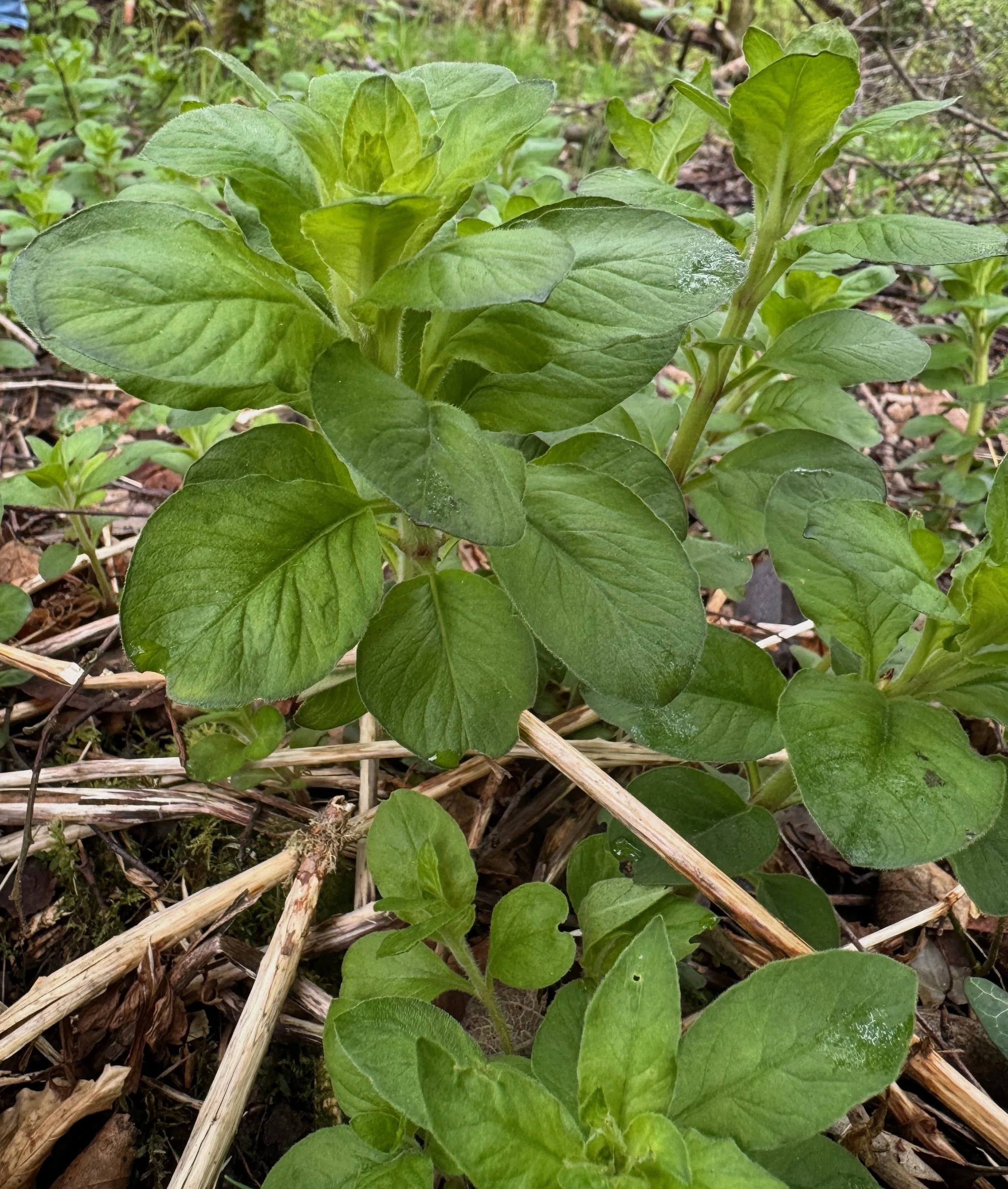
Lysimachia punctata NS7550 5May2024 PW
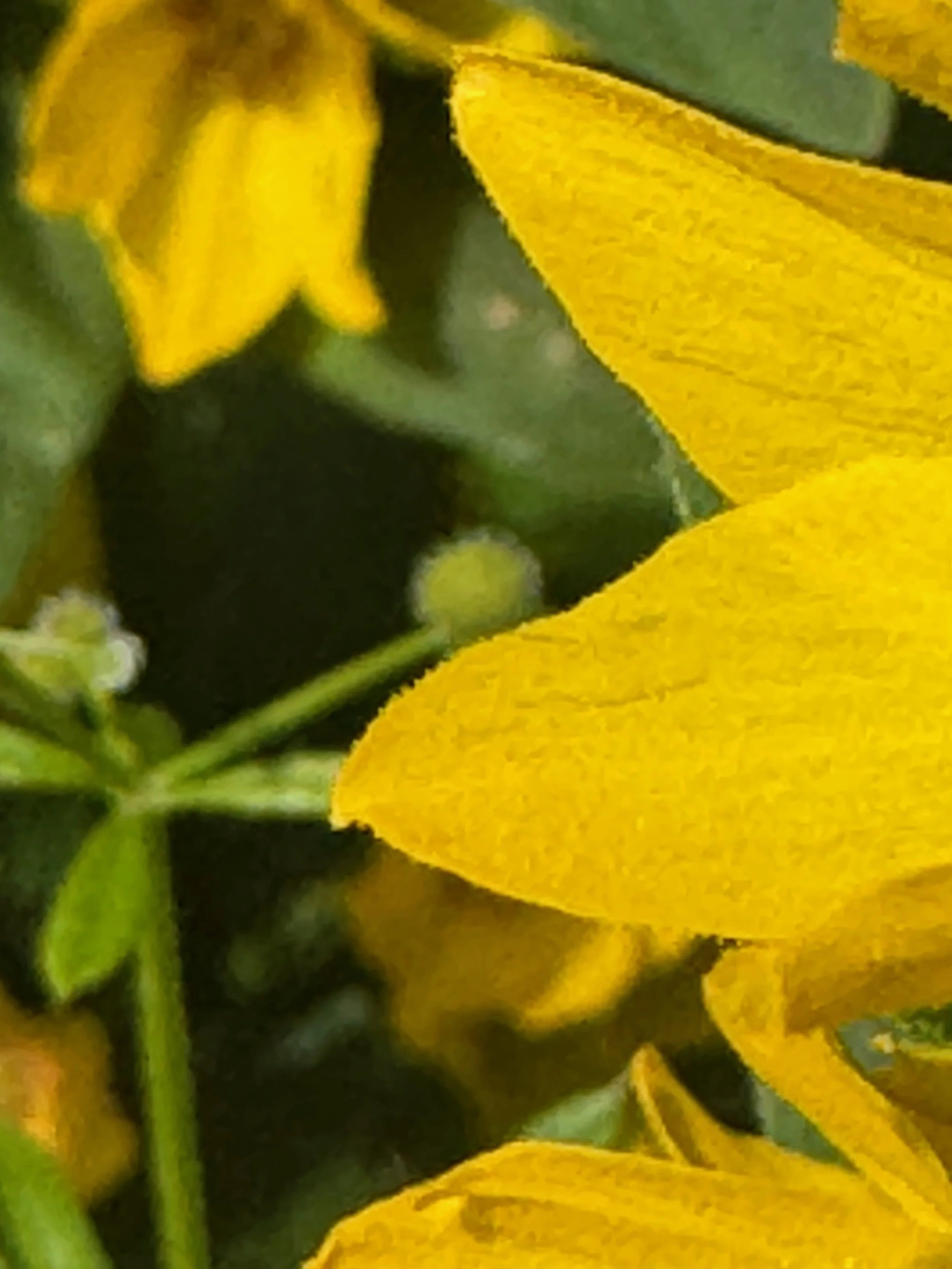
The edge of the petal has short-stalked glands,
Lysimachia punctata NS7550 5May2024 PW
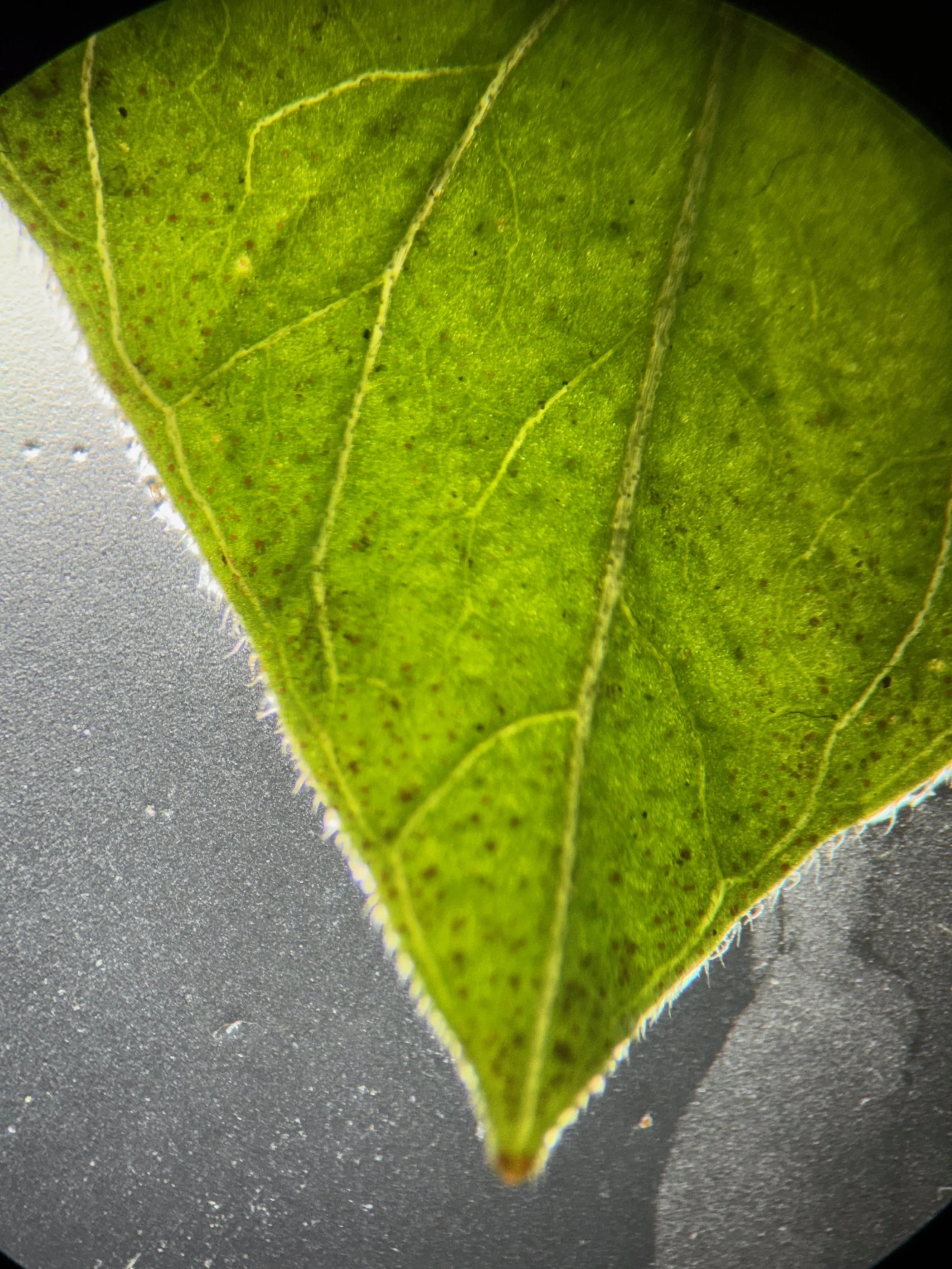
The end of the leaf has dark glands, x10 🔍.
Lysimachia punctata NS7550 5May2024 PW
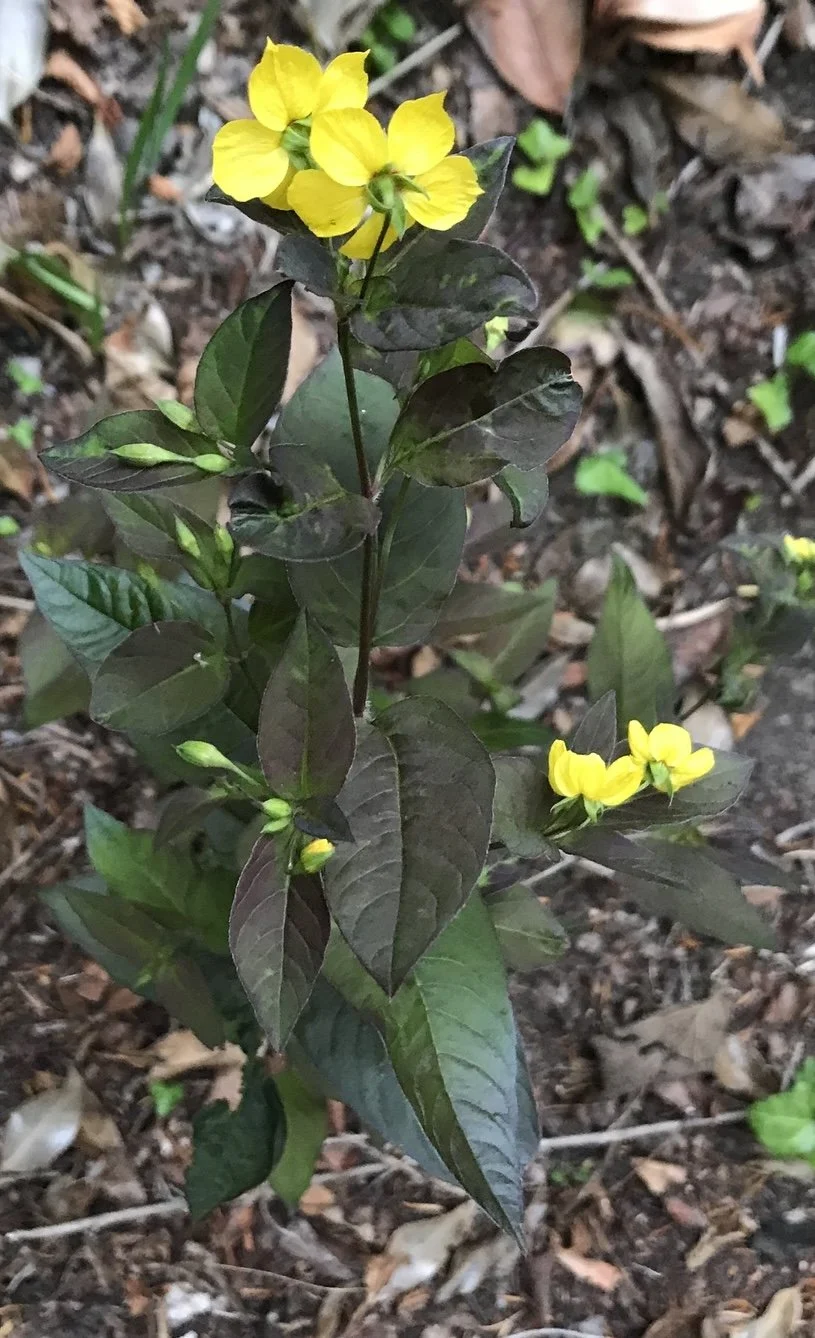
Lysimachia ciliata NS6265 14Jul25 PW
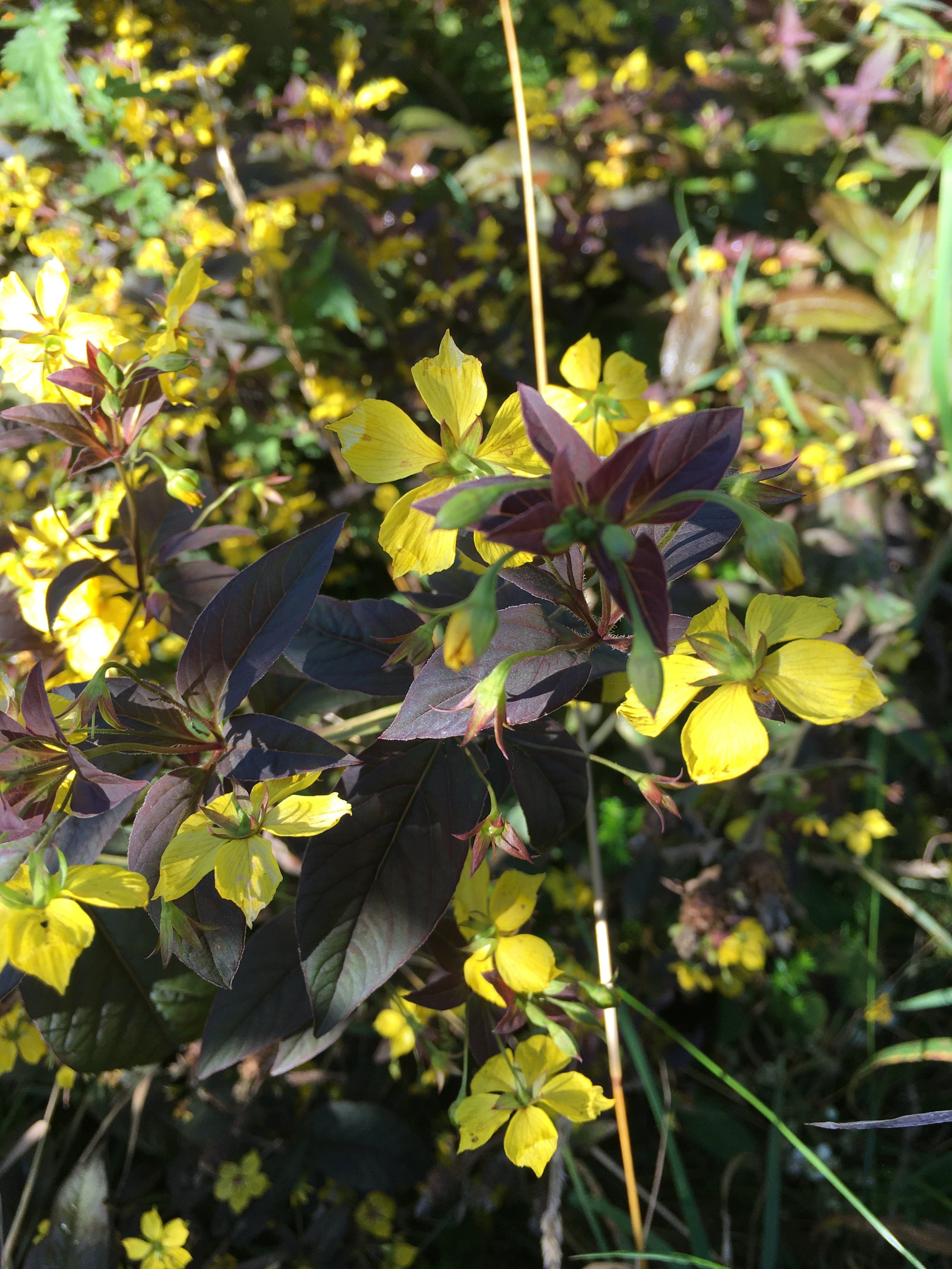
Lysimachia ciliata NS3560 vc76 11Aug22 JB
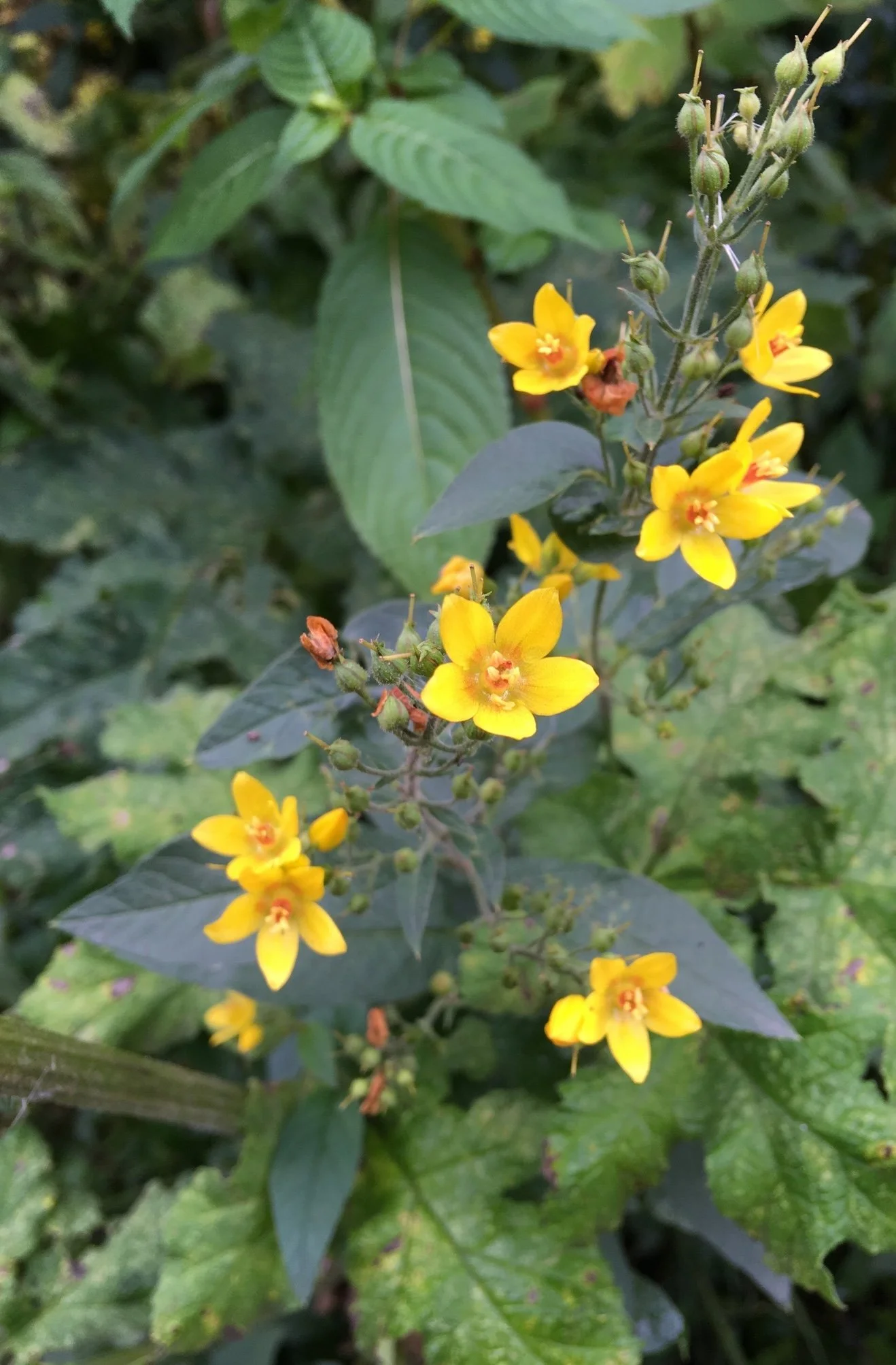
Lysimachia ciliata NS6265 14Jul25 PW

Lysimachia vulgaris NS7066 07Jul2018 PW

Lysimachia vulgaris NS7066 07Jul2018 PW
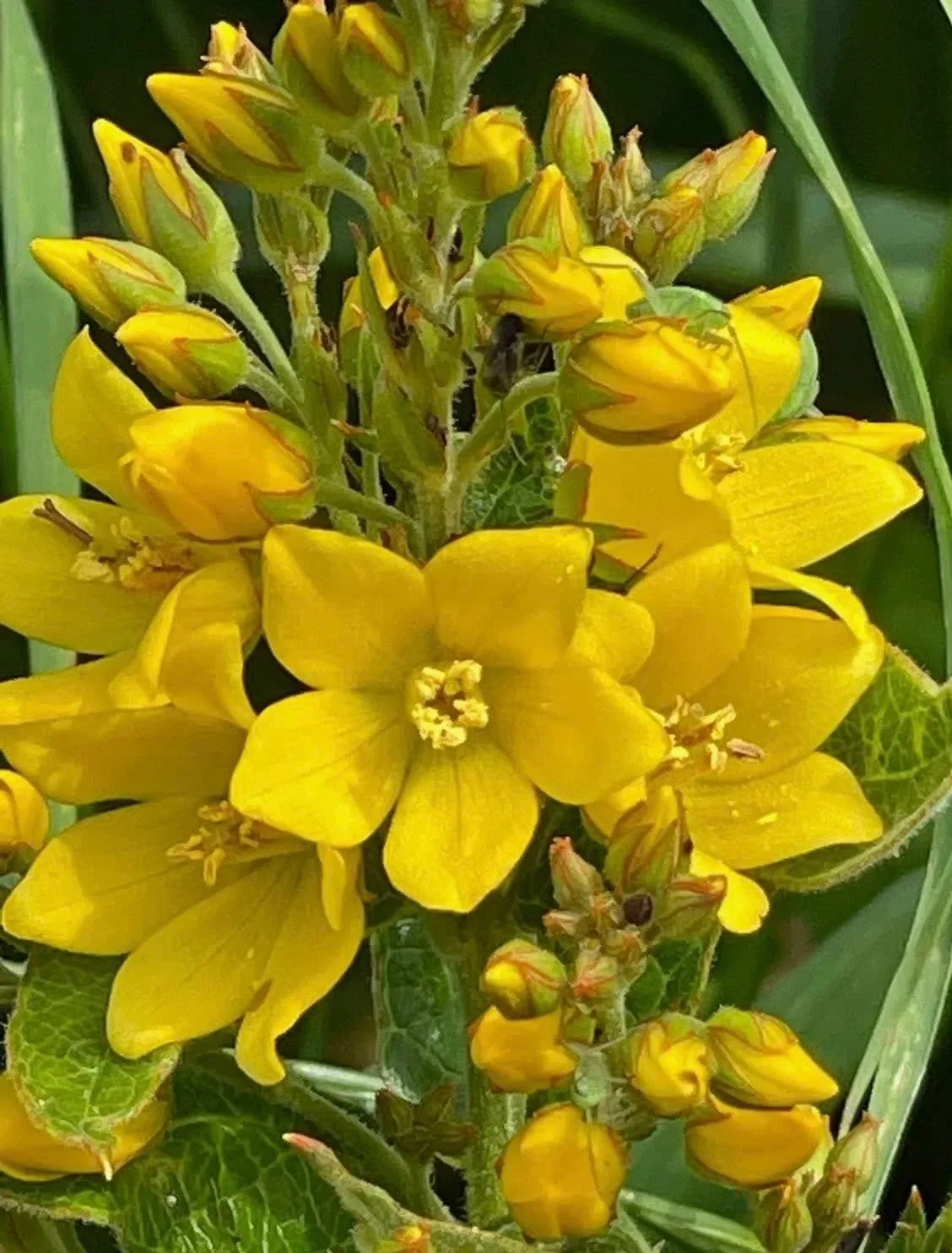
This shows the conspicuous orange margin on the calyx teeth.
Lysimachia vulgaris NS7066 07Jul18 PW

Lysimachia vulgaris NS7066 07Jul2018 PW
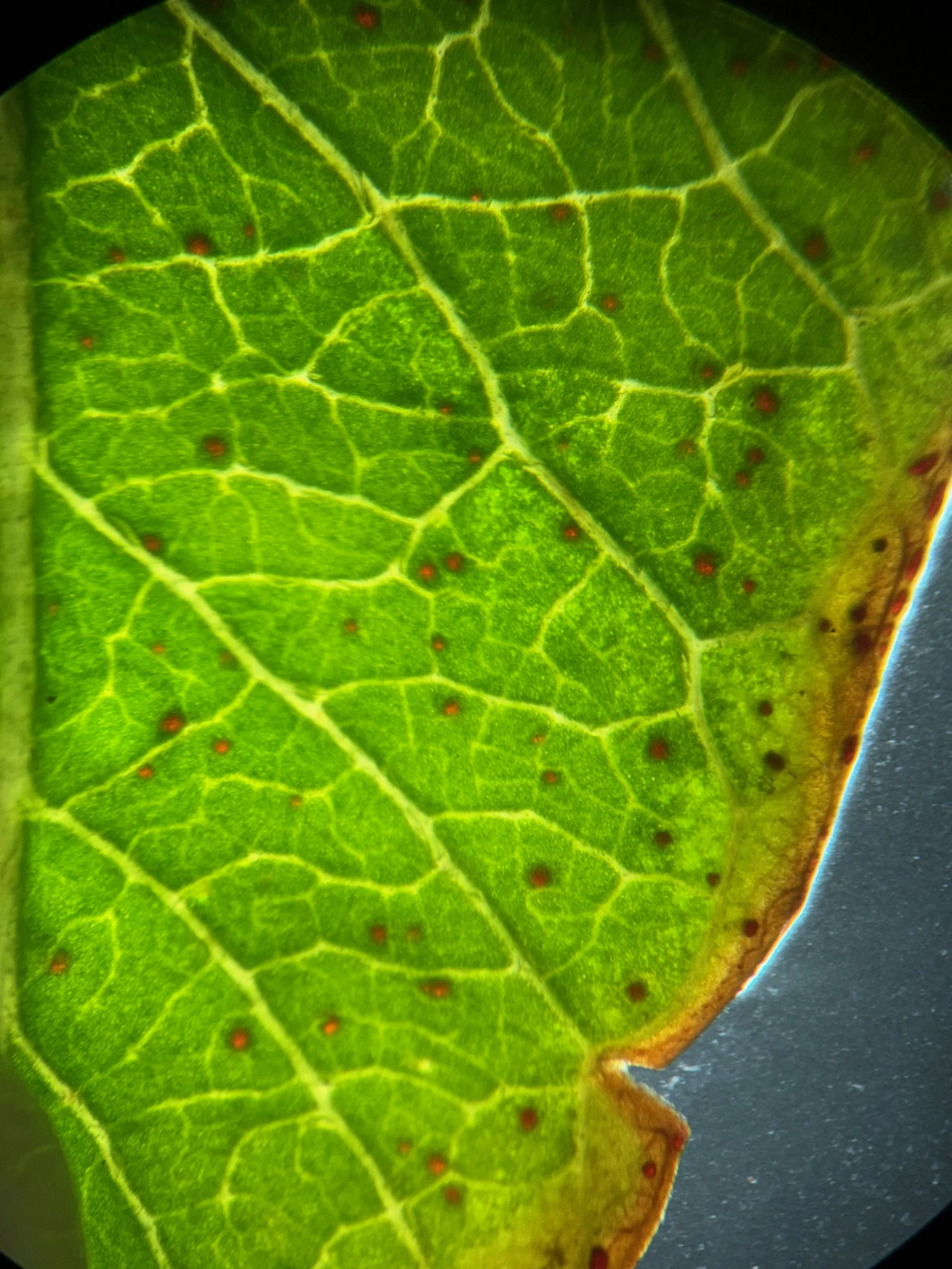
The whole leaf has dark glands, x10 🔍.
Lysimachia vulgaris vc99 22Aug25 SC-PW
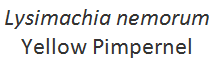
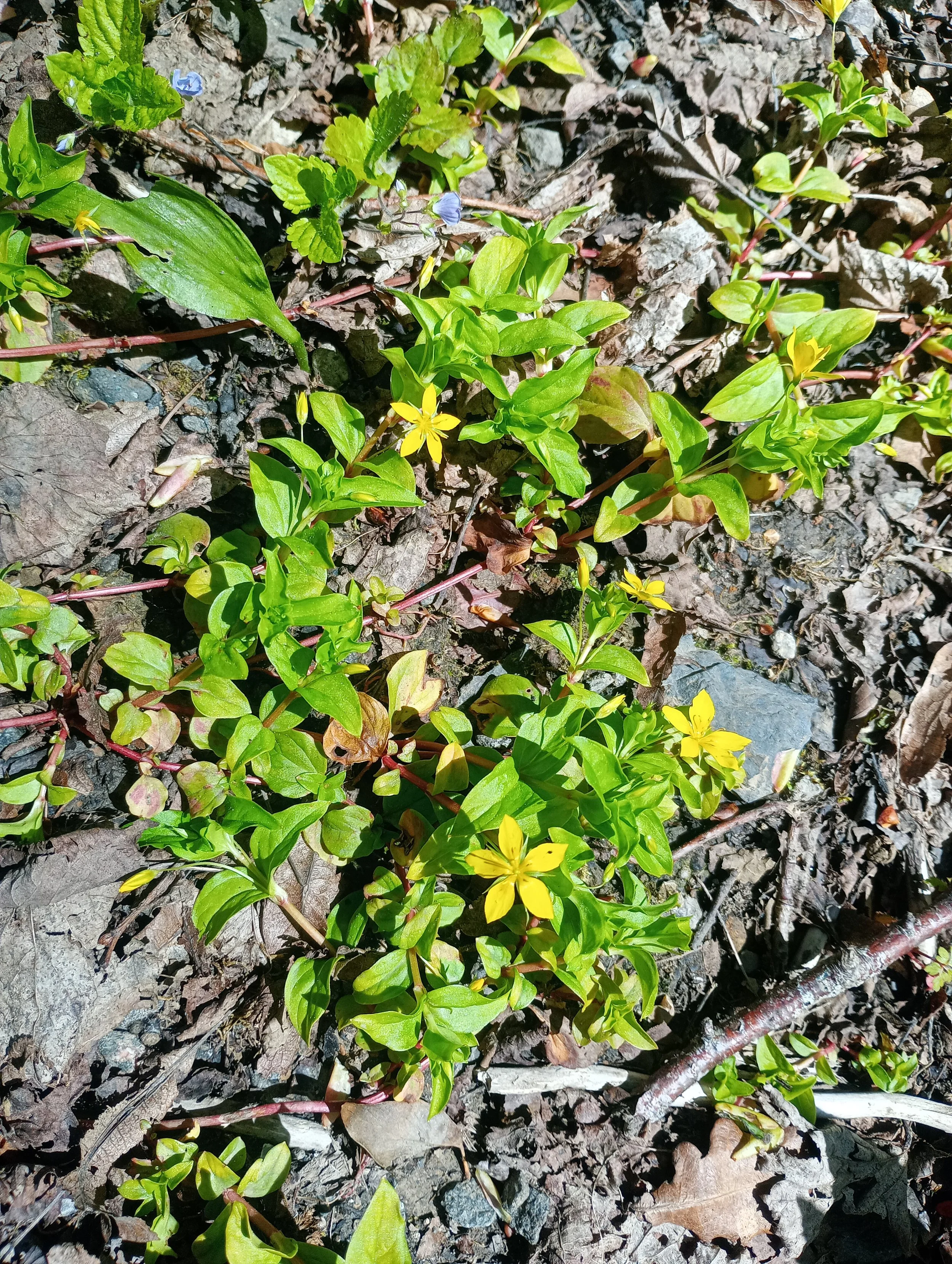
Lysimachia nemorum NS6554 10May26 JW
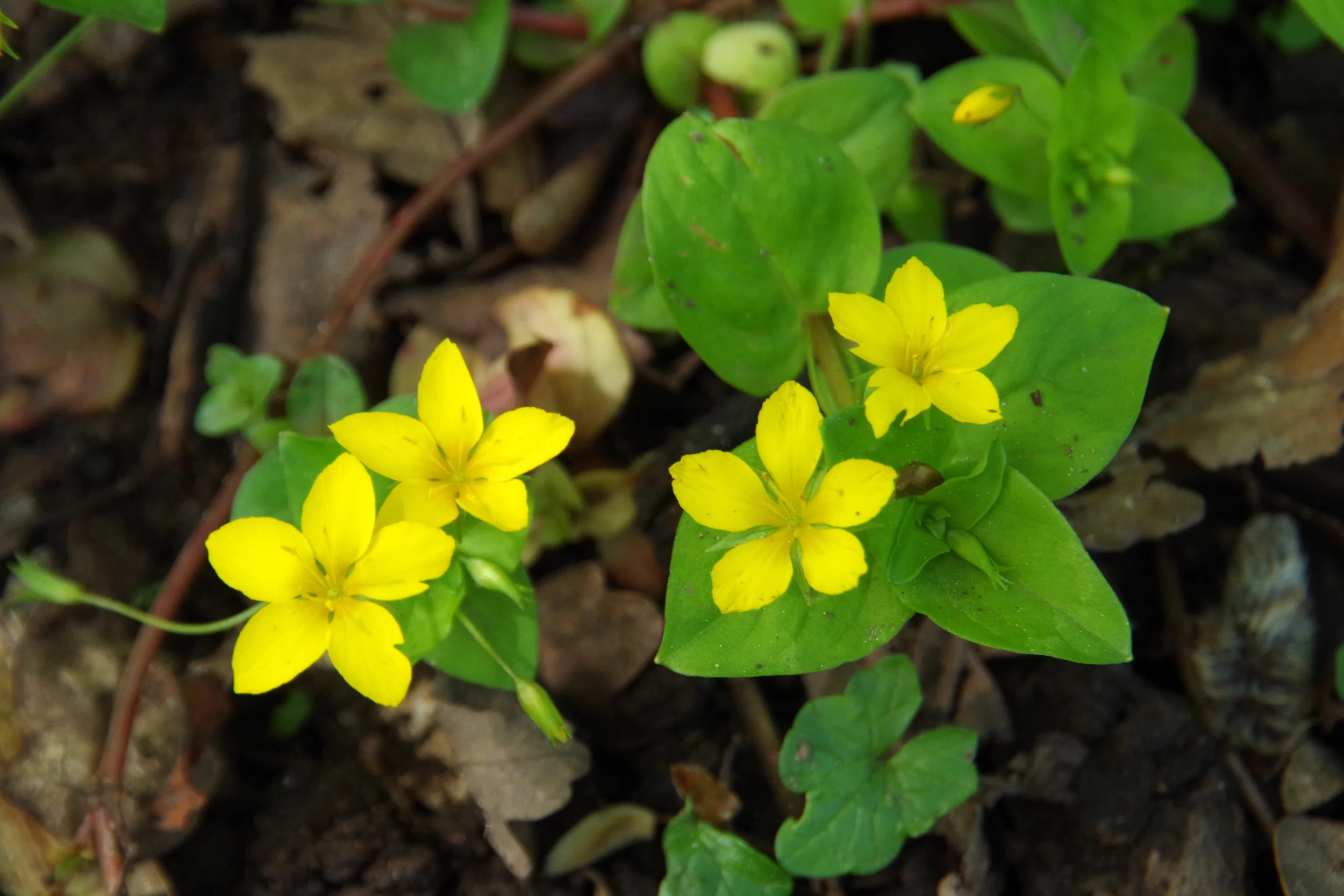
Lysimachia nemorum NS8246 20May2016 MJP
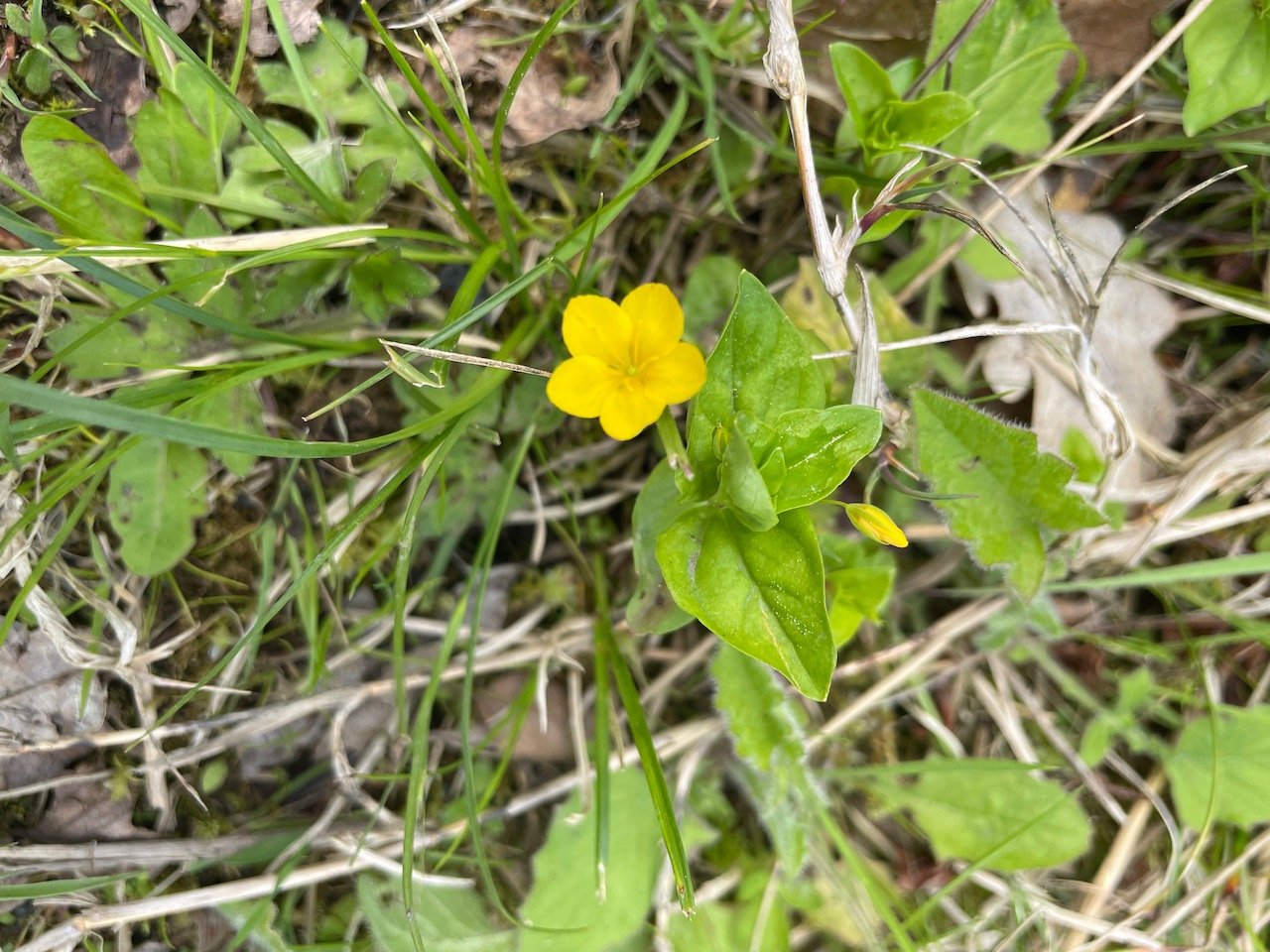
Lysimachia nemorum NS7457 14May22 PW
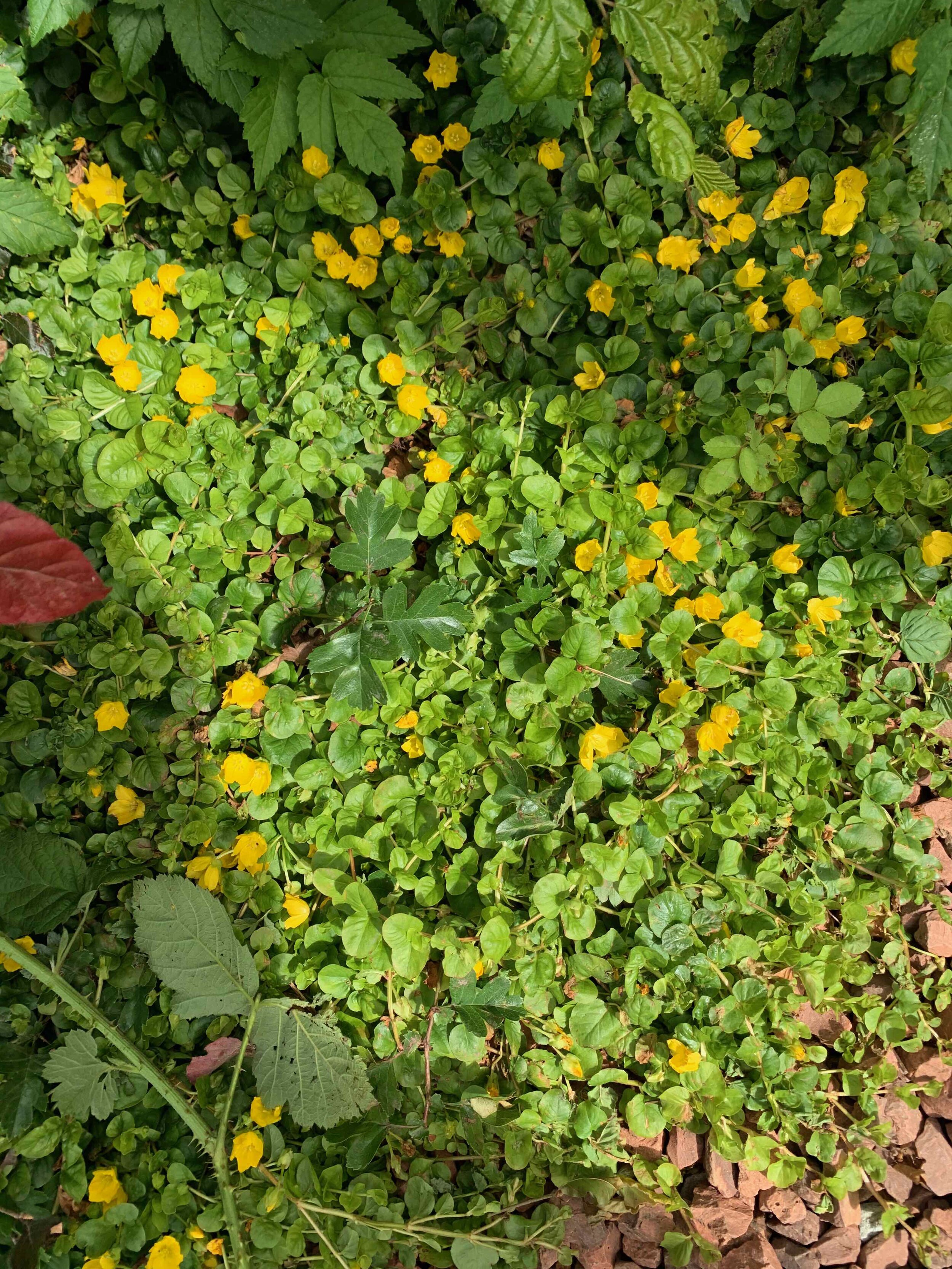
Lysimachia nummularia NS7848 20July2020 PW
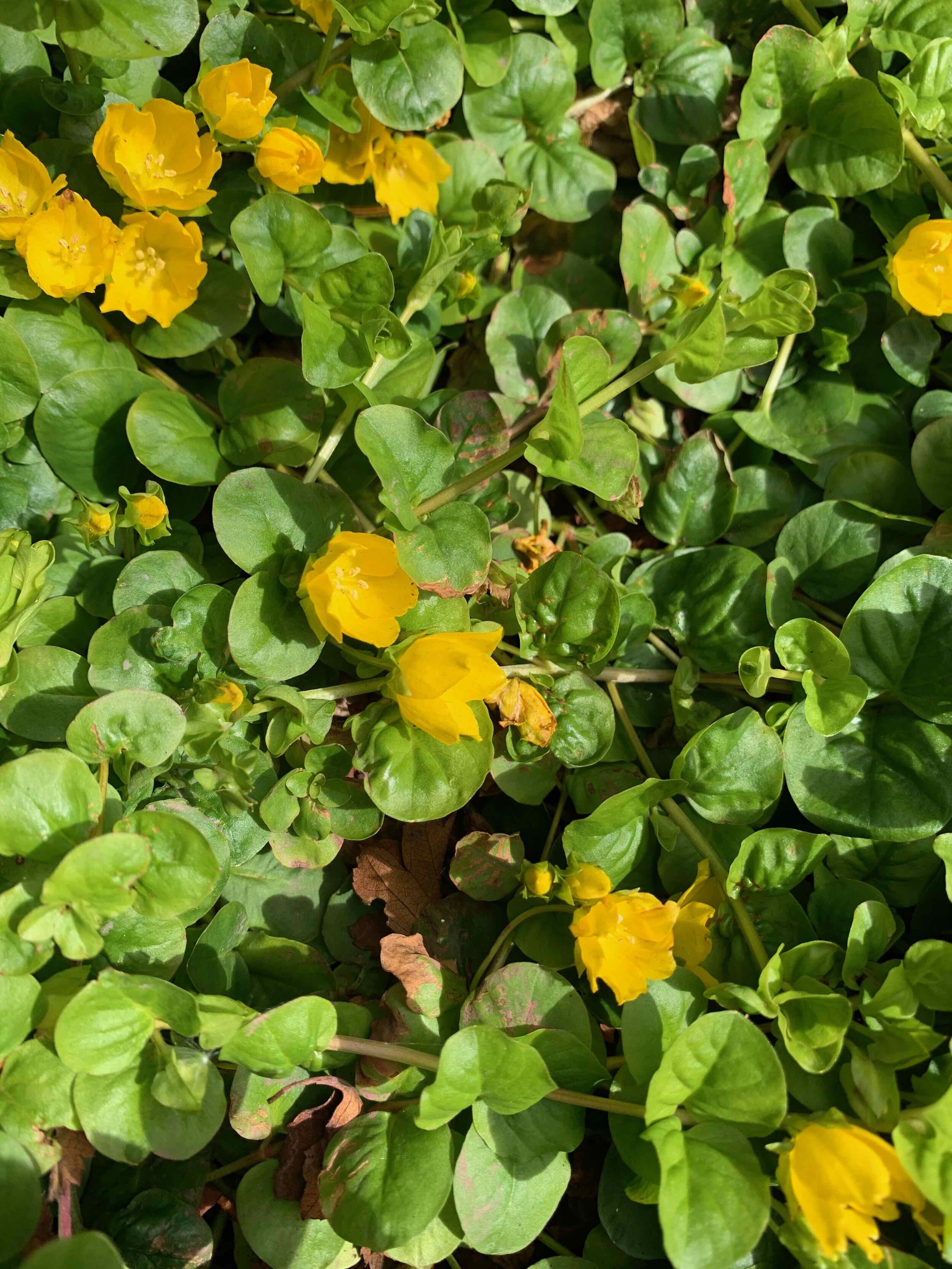
Lysimachia nummularia NS7848 20July2020 PW
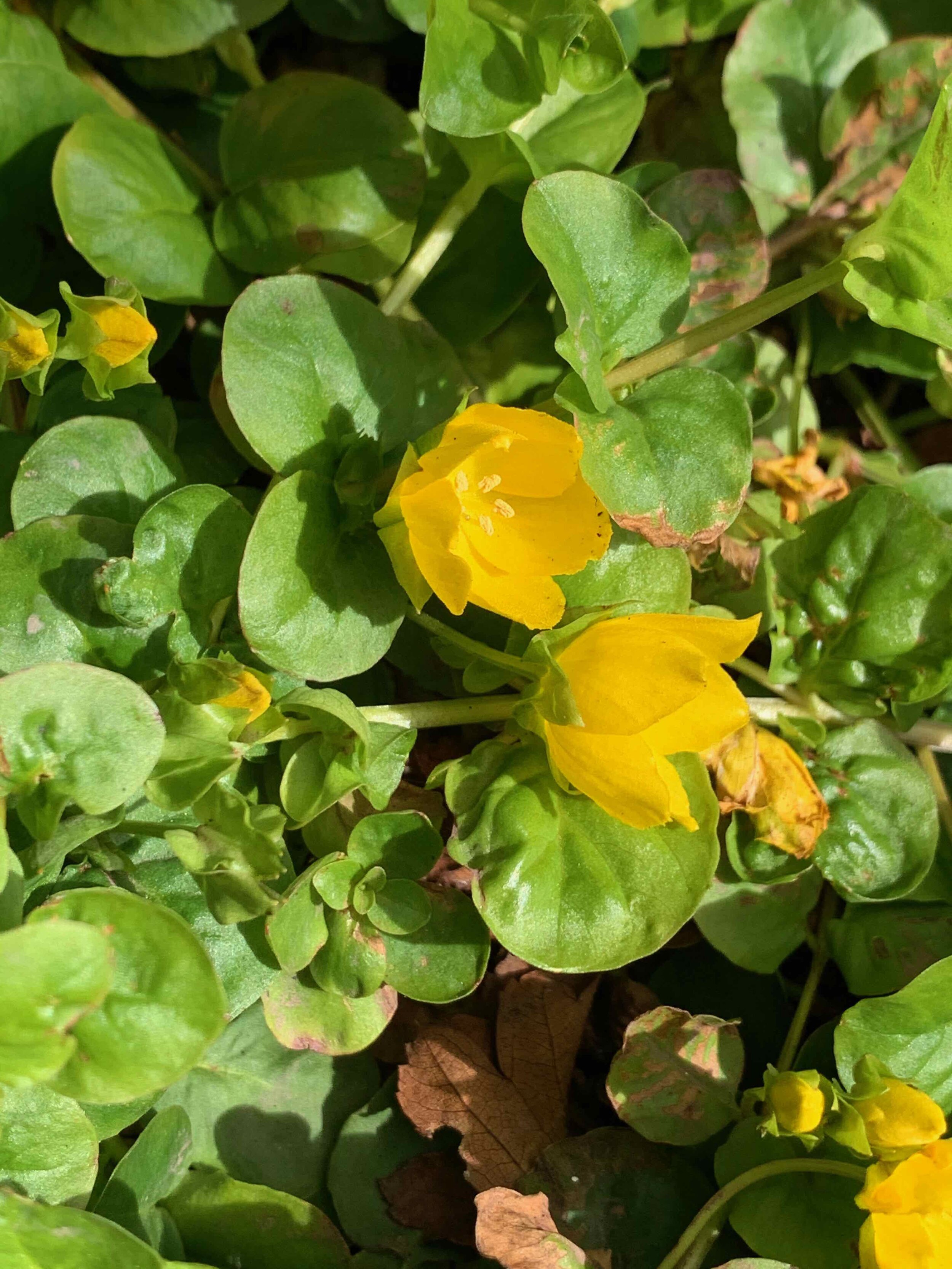
Lysimachia nummularia NS7848 20July2020 PW

Lysimachia nummularia 25Sep2016 NS8339 MP


Lysimachia thyrsiflora NS5869 20Jun15 PW
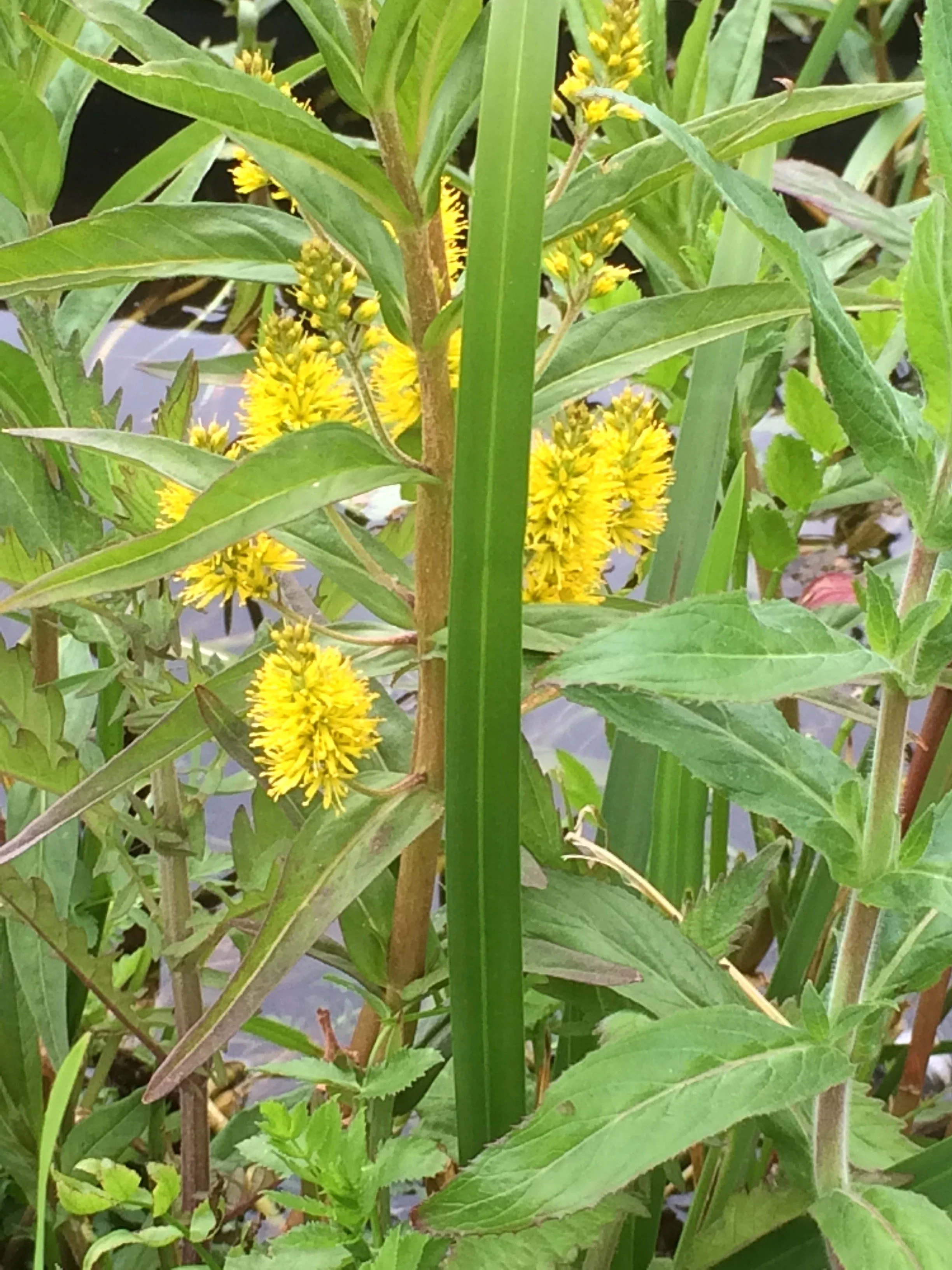
Lysimachia thyrsiflora NS5869 20Jun15 PW - 3
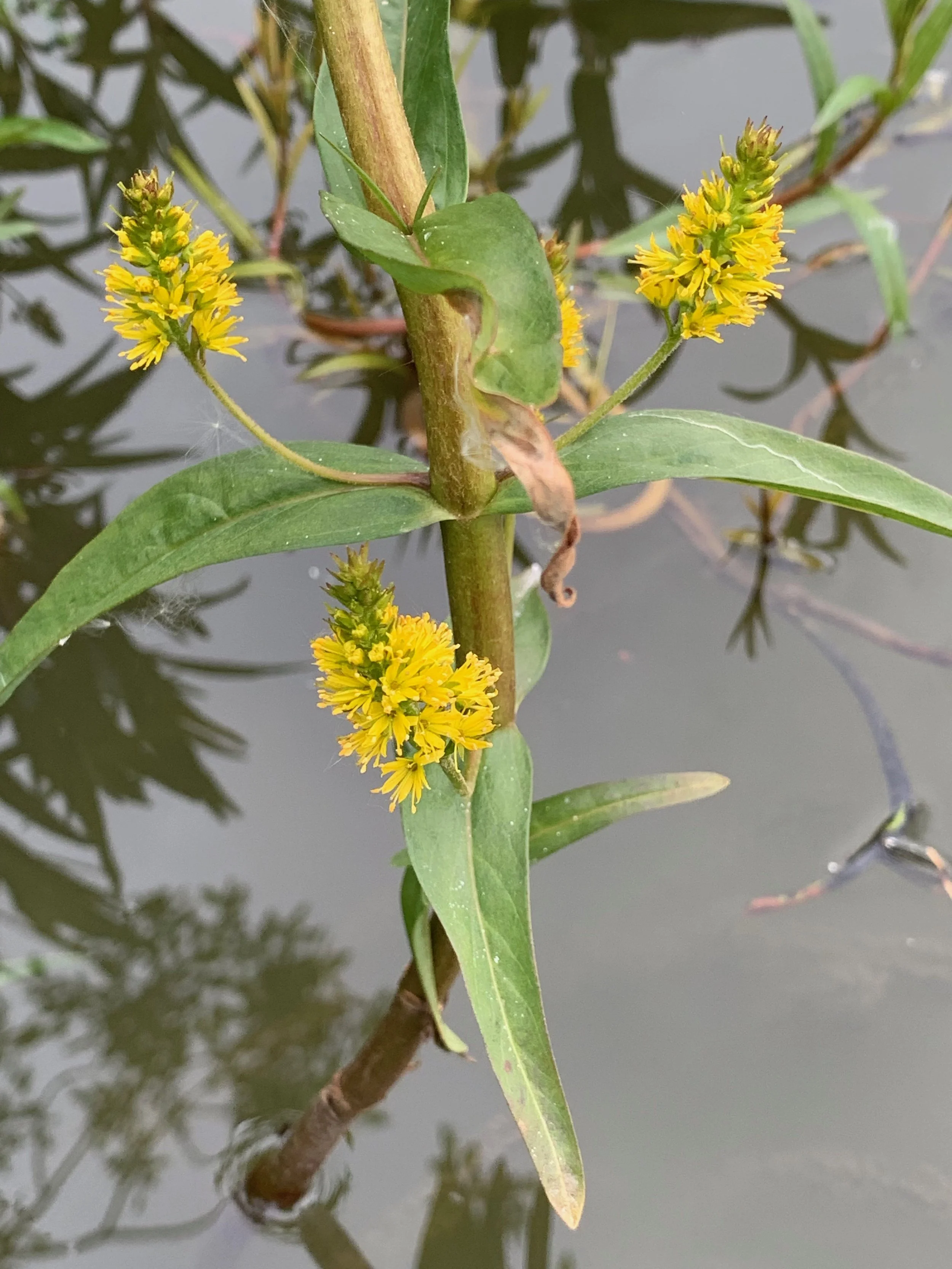
Lysimachia thyrsiflora NS7471 08Jun19 PW
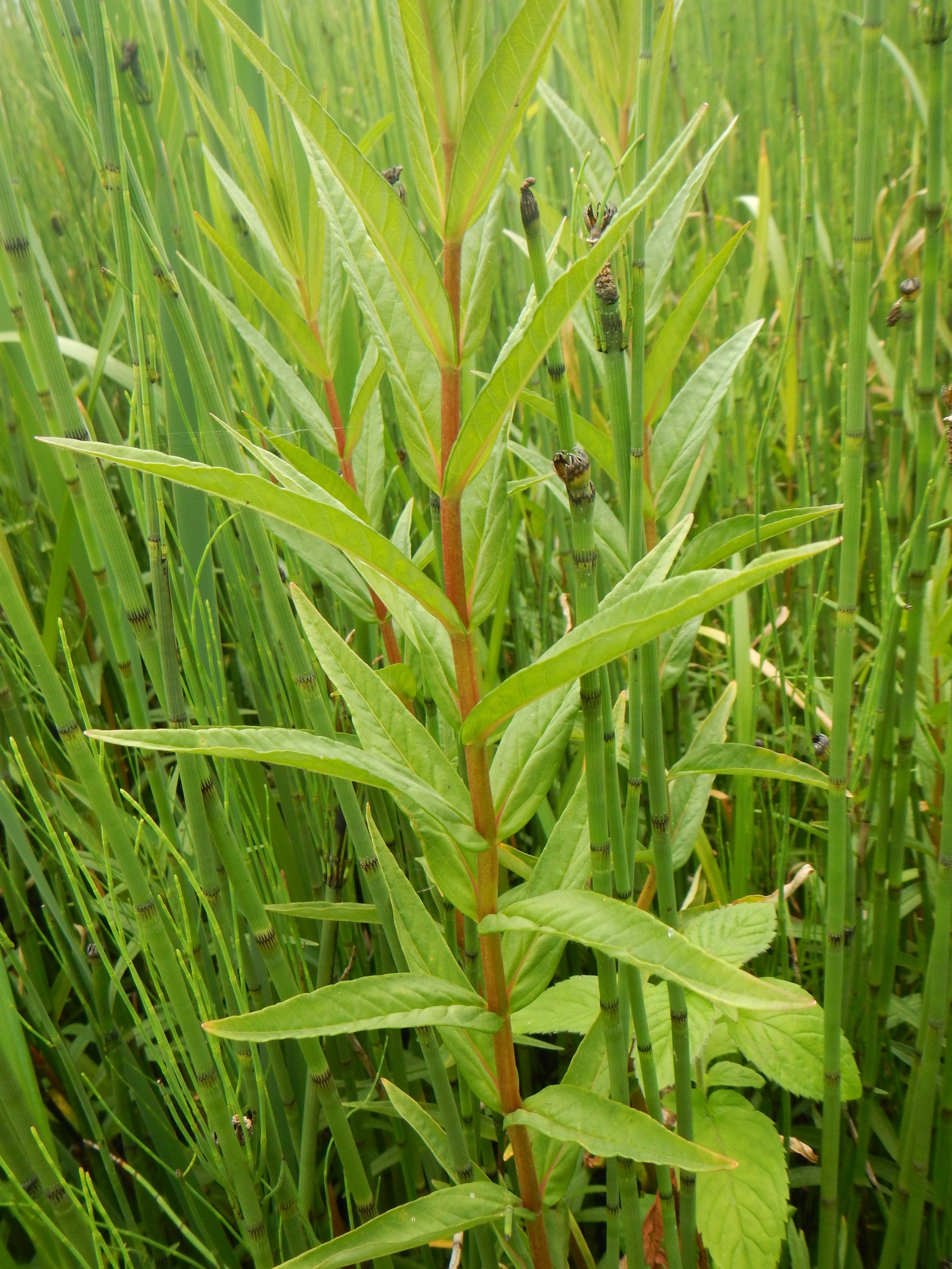
Lysimachia thyrsiflora NS5971 21July2018 PW

Lysimachia thyrsiflora NS5971 21July2018 PW
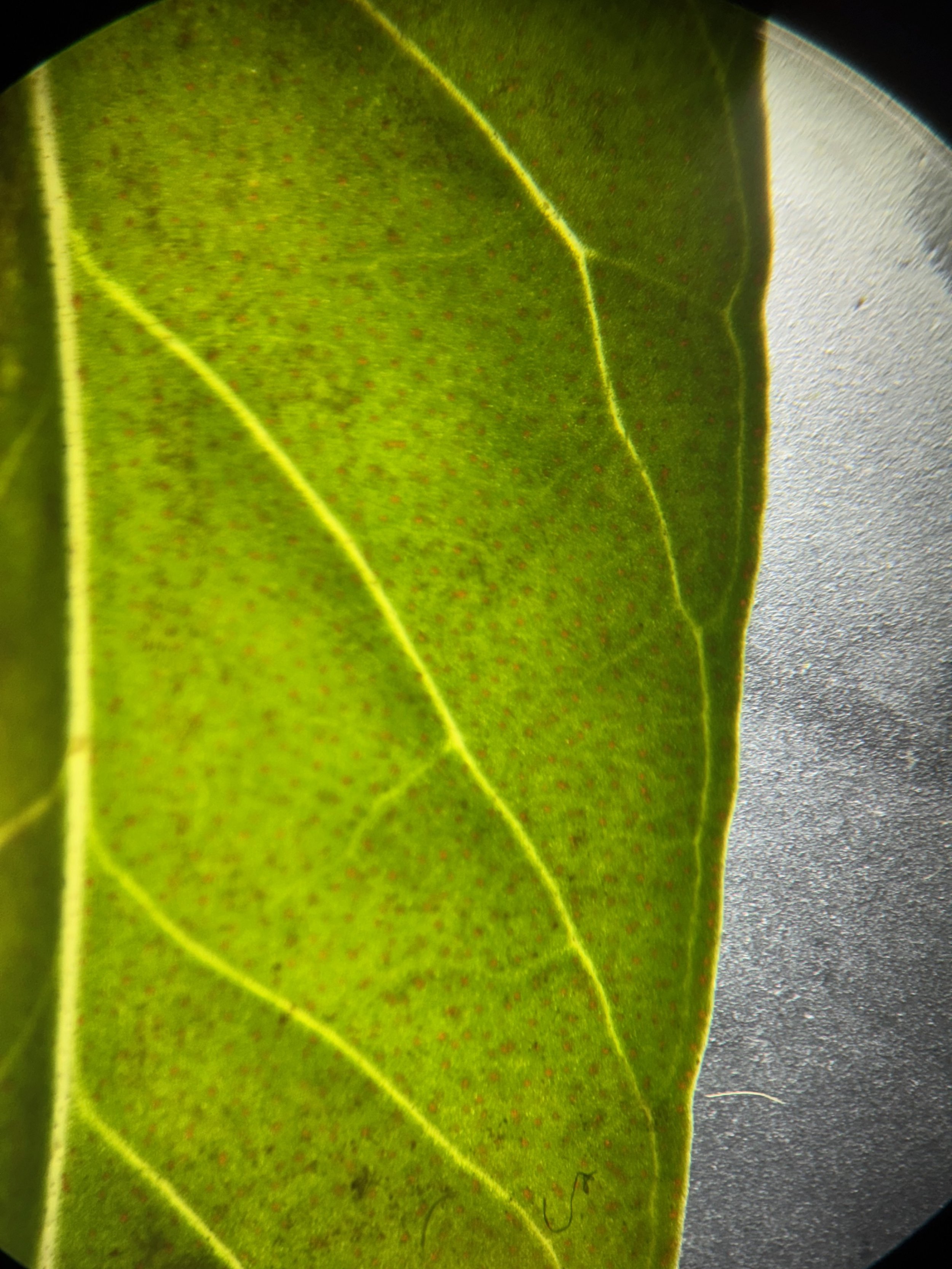
Showing the many, dark glands in the leaves x20 🔍.
Lysimachia thyrsiflora vc99 22Aug25 SC-PW
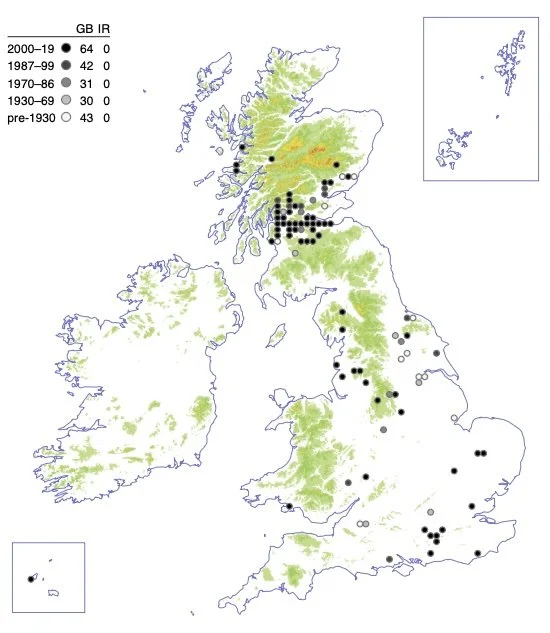
From BSBI Plant Atlas 2020

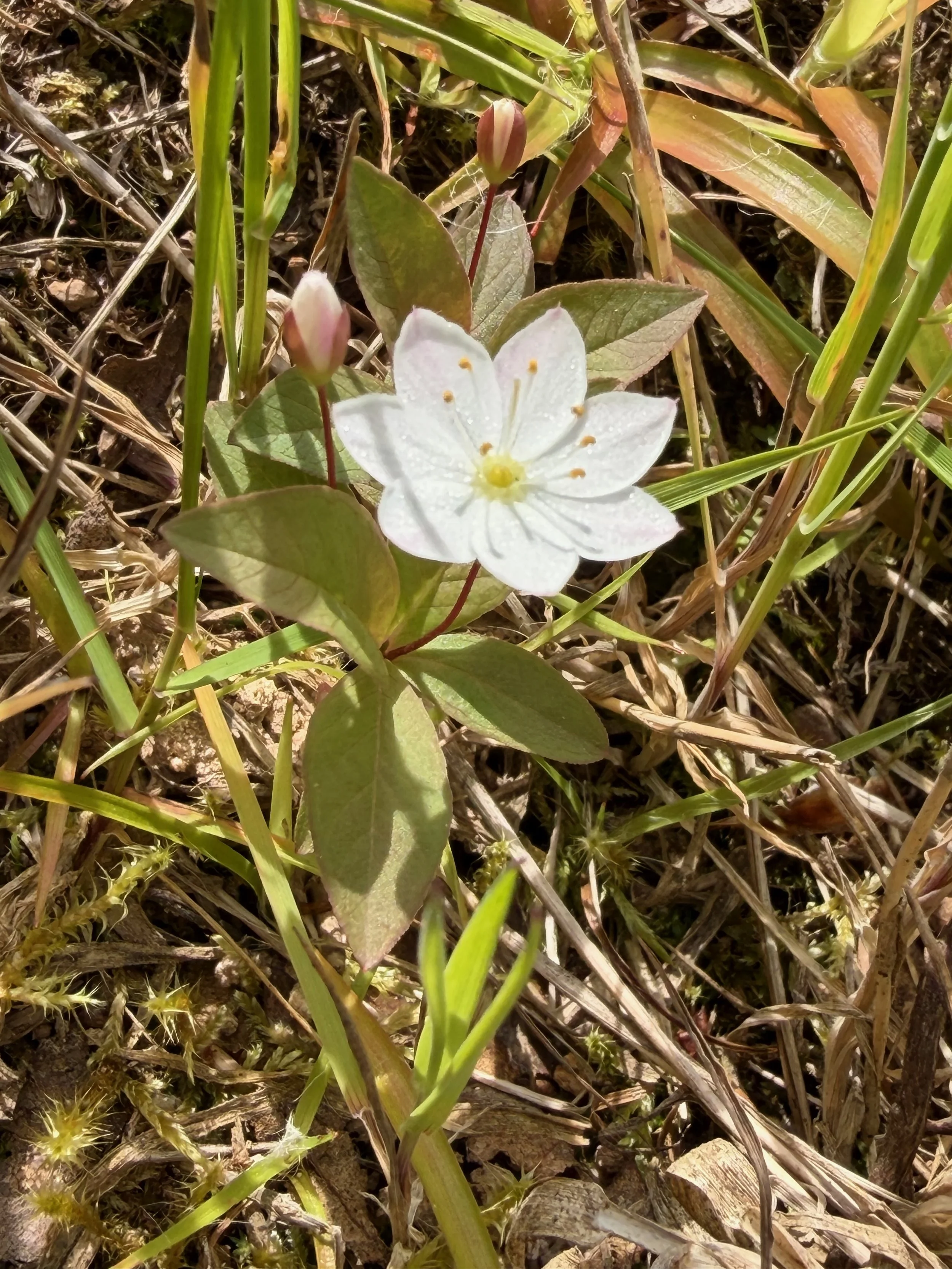
Lysimachia europaea NT1044 15June26 PW
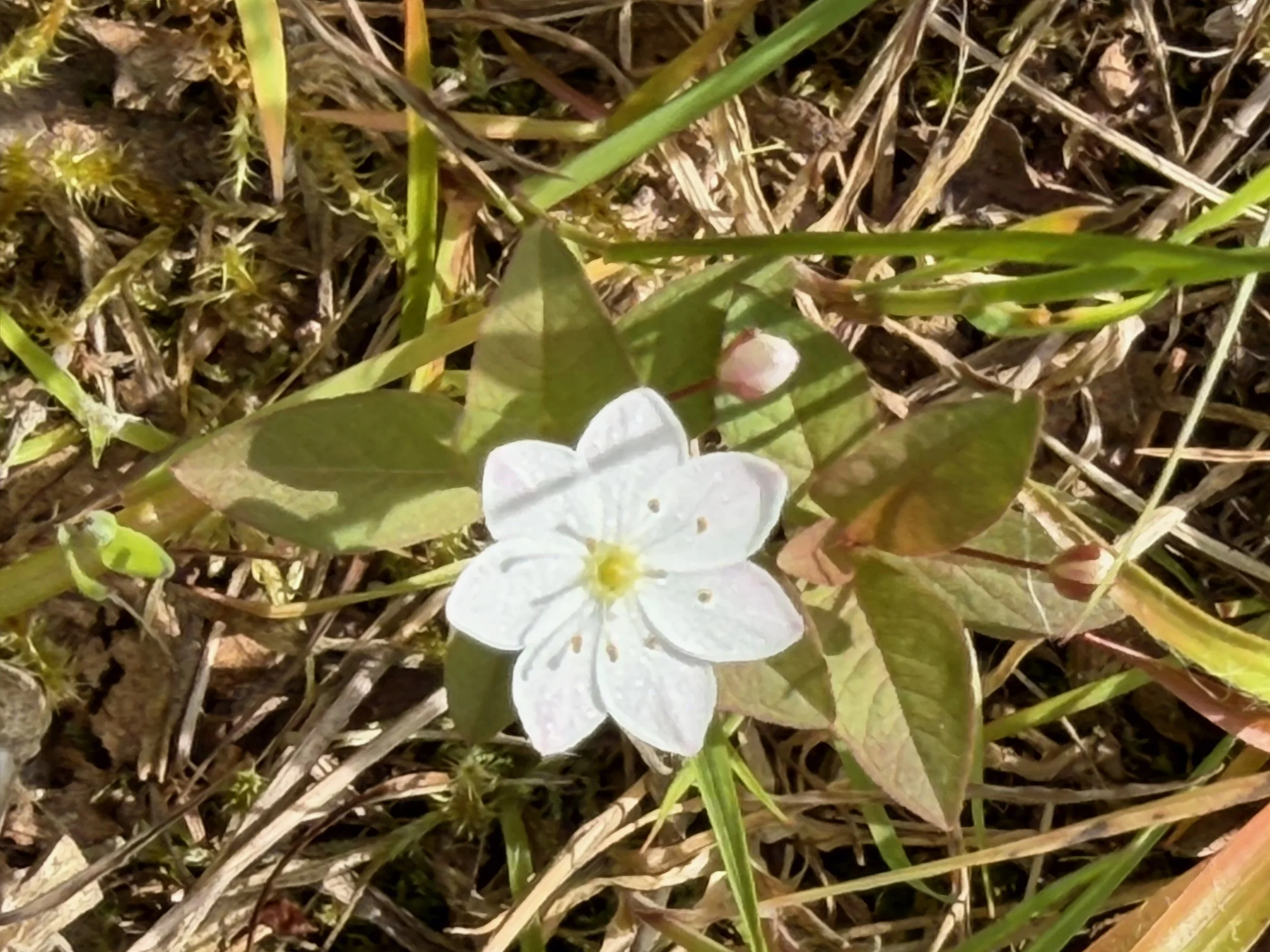
Lysimachia europaea NT1044 15June26 PW
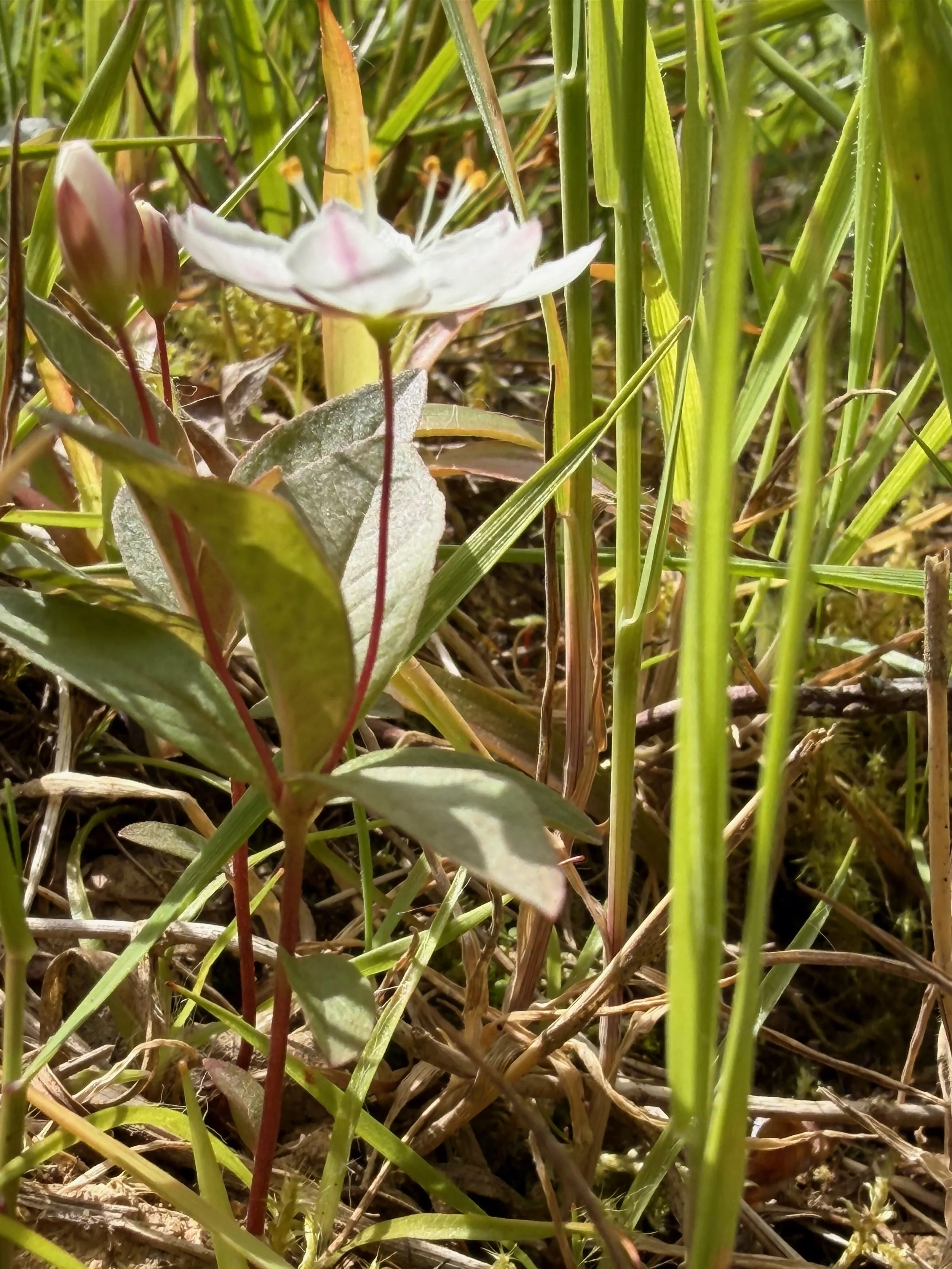
Lysimachia europaea NT1044 15June26 PW
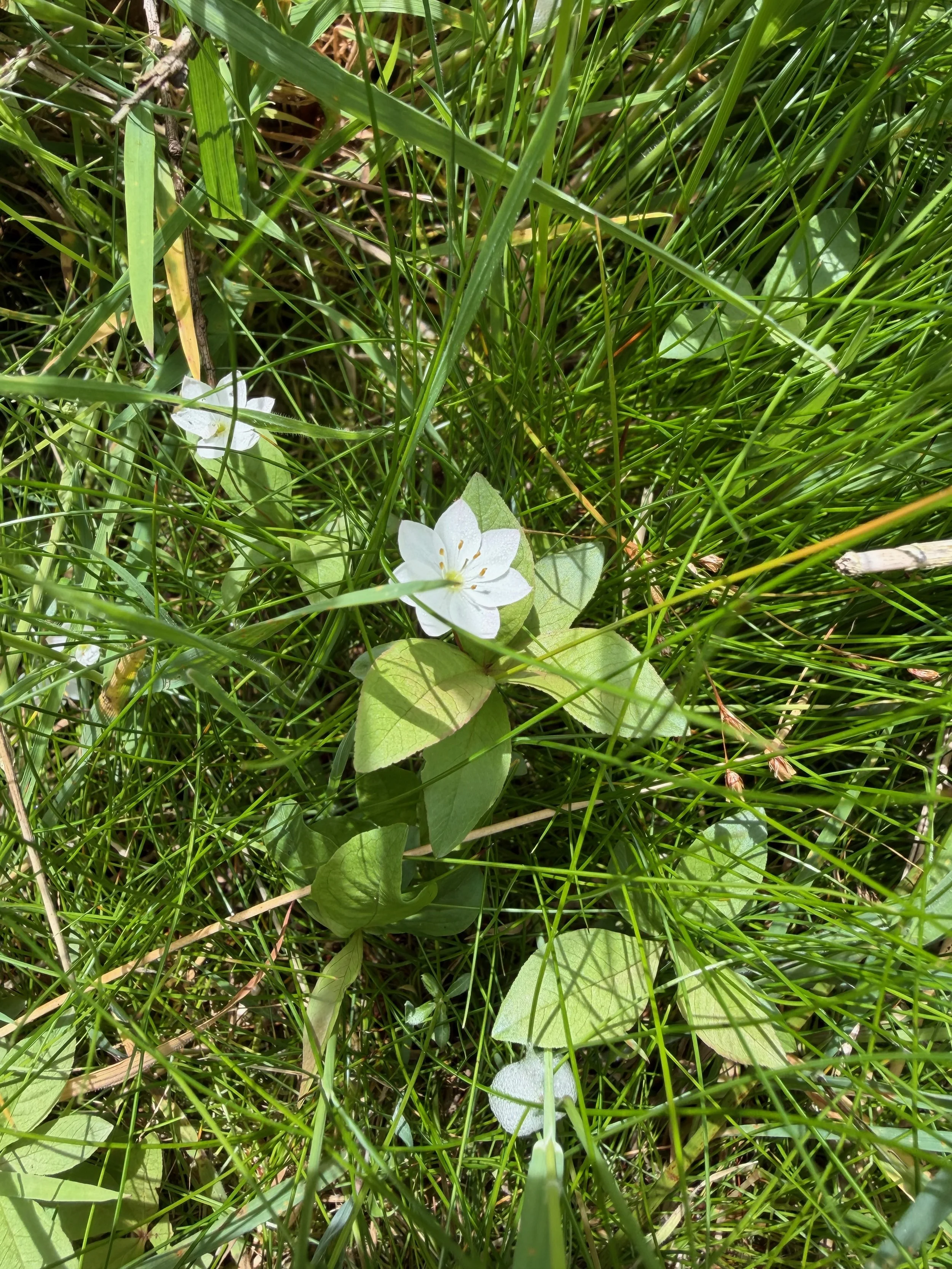
Lysimachia europaea NT1044 15June26 PW
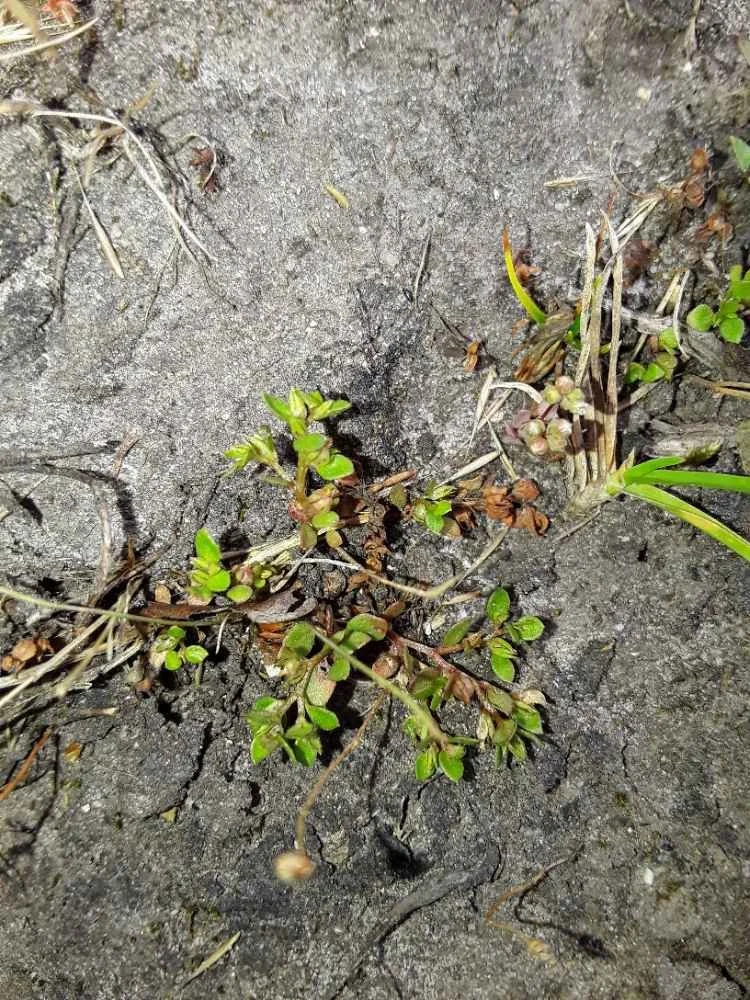
Lysimachia minima NS 5565 23May18 PW
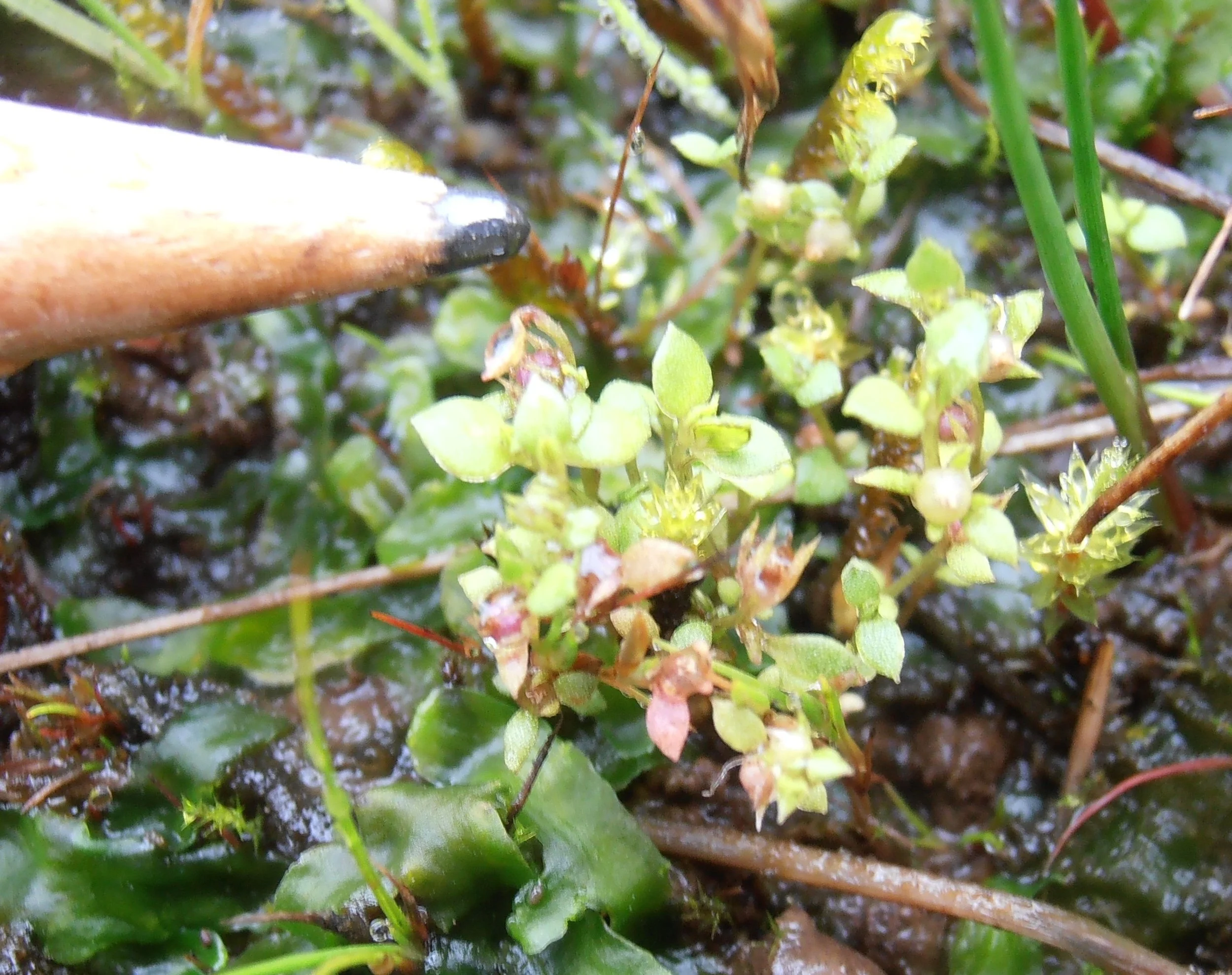
To give an ideal of the scale, showing the fruits.
Lysimachia minima NS2168 vc76 27Jul21 AH
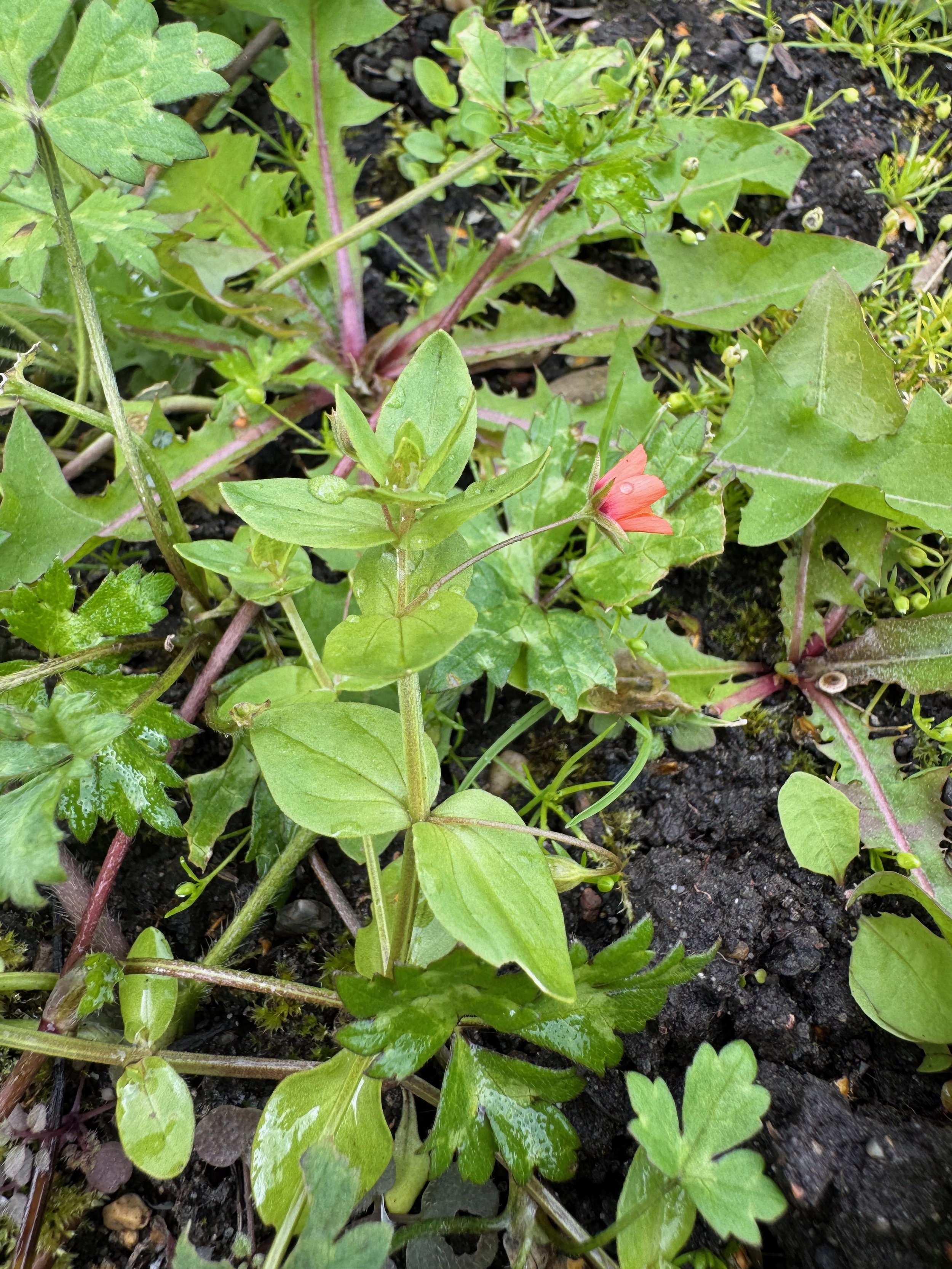
Lysimachia arvensis NS7365 5Aug25 PW
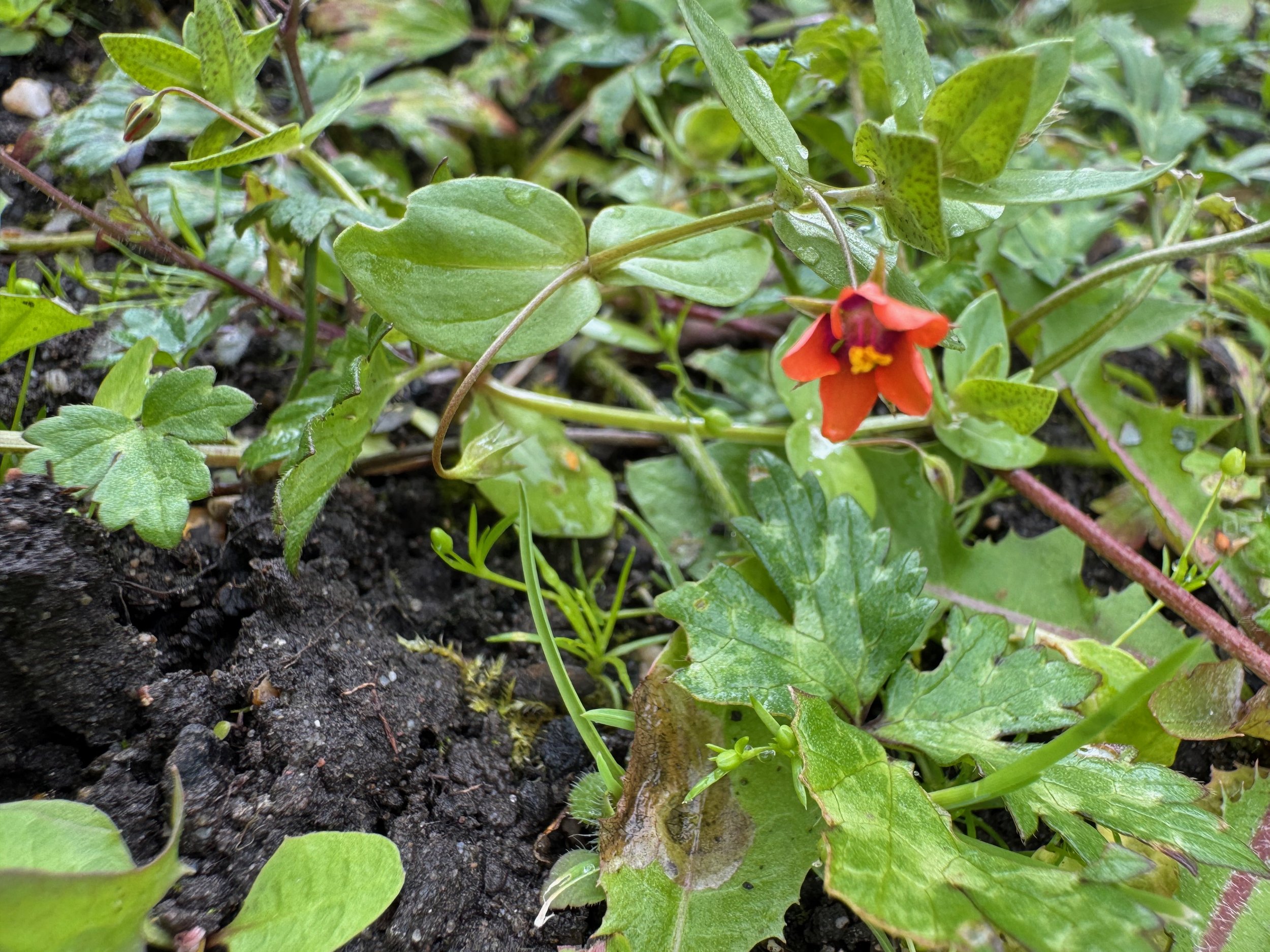
Lysimachia arvensis NS7365 5Aug25 PW
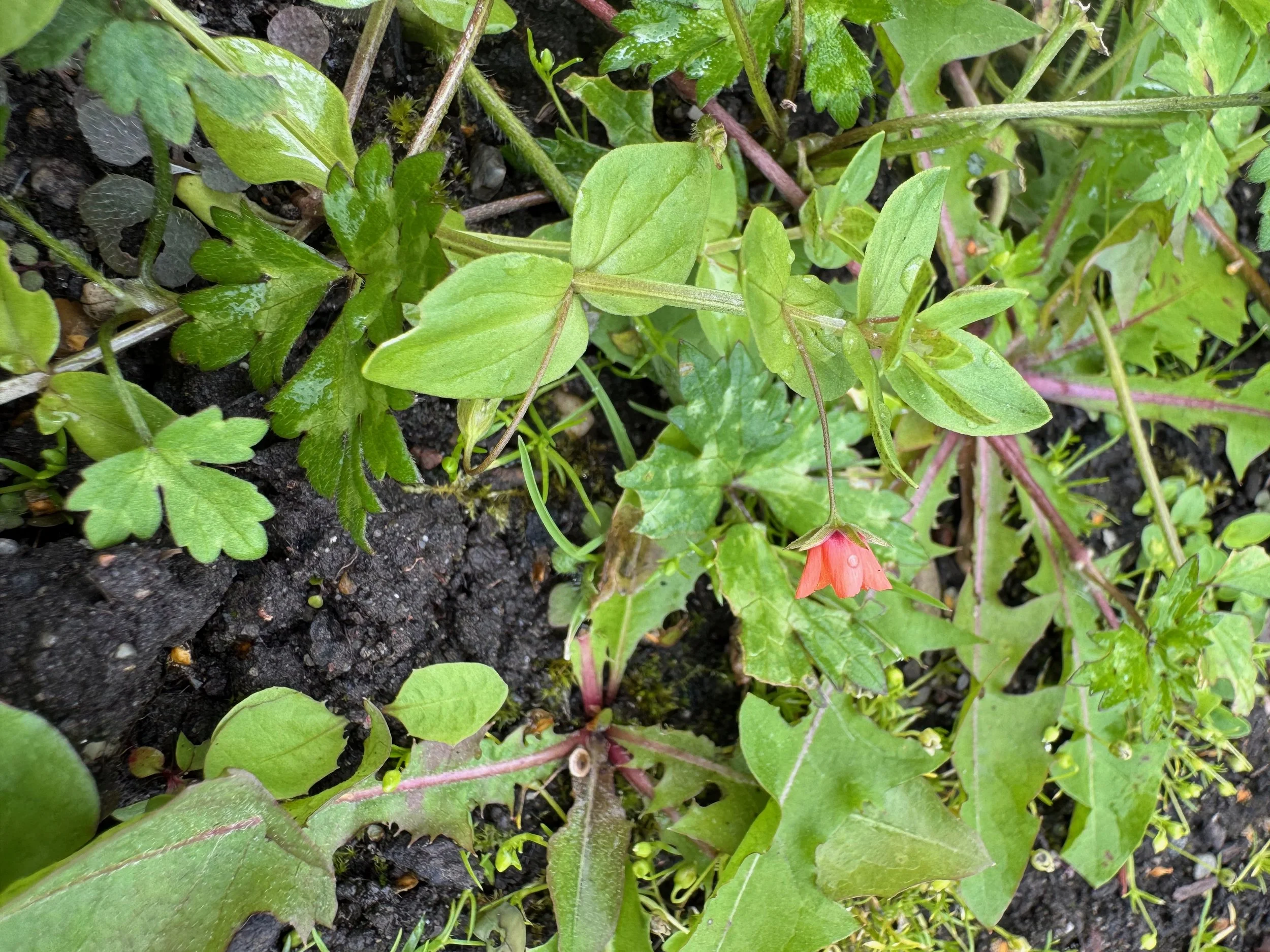
Lysimachia arvensis NS7365 5Aug25 PW
Lysimachia species - Pimpernel and Loosestrife family
Lysimachia includes species which have been moved from other genera such as Anagalis, Trientalis and Glaux.
Lysimachia punctata Dotted Loosestrife is naturalised or a garden escape often in rough ground or damp places. Occurs in clumps up to 1.2m tall. The leaves are opposite of in whorls of 3-4, have short glandular hairs and dark glands in the leaf especially at the apex (x20 🔍), with short densely glandular-hairy petioles. The yellow flowers 10-16mm wide have dense shortly stalked glands at the margin (x10 🔍) of the ovate petals and are clustered together on short petioles (<2cm).
Lysimachia ciliata Fringed Loosestrife is a less frequent garden escape, similar to Lysimachia punctata but with hairless leaves, and the flowers are in much looser axillary groups on longer petioles (>2cm) and have shortly stalked glands towards the base of the petals which are cuspidate. Often the leaves are a dusky red, as this is a common cultivar that escapes.
Lysimachia vulgaris Yellow Loosestrife is a native plant that has extensive stolons and can be in large stands. The leaves are long and thin 3-10 cm. Flowers in terminal panicles in leaf axils. Flowers 8-15mm yellow dotted with pale glands but no glands on the margin. The calyx teeth have a conspicuous orange margin.
Lysimachia nemorum Yellow Pimpernel is a creeping plant found in woods. The leaves are 1-3 cm, ovate, ± opposite with acute tips and glabrous. They have no glands in leaf. Single flowers are borne from leaf axils, 5-8mm.
Lysimachia nummularia Creeping-Jenny this is a procumbent plant, rooting at notes found in damp places. The opposite leaves 1.5-3 cm and orbicular, rounded at apex and dotted with black glands. Solitary yellow flowers 8-18mm, dotted with black glands, arise from leaf axils. It is a native but is also a garden escape.
Lysimachia thyrsiflora Tufted Loosestrife this is a Forth and Clyde Canal ‘special’ and so it is a Lanarkshire specialty, (along with Loch Lomond and the Lothians). It grows in damp places, often in standing water. The stem is 70cm with 7-10cm sessile leaves, narrow and pointed which have many dark glands (x20 🔍). The flowers are in dense stalked racemes arising from the leaf axils and often not far above the water level, yellow with black dots 4-6mm. It can be a shy flowerer.
Lysimachia europaea Chickweed-wintergreen This was thought to be extinct from Lanarkshire until a visiting botanist found a large population in a pine wood in 2018 which is still thriving. It is a rhizomatous perennial with all the leaves in a whorl of 5 or 6 at the top of the stem, sometimes with a few alternate leaves below. The white flowers (1-2) 15-18mm have no bracts. North of central Scotland it is locally common.
Lysimachia minima Chaffweed This is a distinctive but easily overlooked plant as it is so small, perhaps the smallest flowering plant in the UK. It is creeping, pale green ± pink stem with opposite, round leaves 3-5 x 2-4 mm with a small point at the tip. The flower nestles in a leaf axil and the calx is longer than the white or pink petals. It is found on bare or sandy, damp soils, preferably acid and near the sea. There are few records in vc77 but it will be overlooked.
Lysimachia arvensis Scarlet Pimpernel is an annual creeping plant to 40cm which does not root at the nodes. The ovate, opposite leaves are often > 1cm. The flowers are solitary from leaf axils on pedicels to 3.5cm, often longer than the leaves. The corolla is 4-7mm, usually red, but can be pink, white or blue. It has numerous minute hairs on the petal margin with 3 cells (including the basal one), the distal one globose and glandular (🔬). It is found in open arable ground, much commoner in South England but is occasional in Lanarkshire. We also have Lysimachia foemina Blue Pimpernel in Lanarkshire, which is smaller, with narrower leaves and non-overlapping petals and shorter pedicels not exceeding the leaves. It is blue with sparse minute hairs on the petal margin with 4 cells (including the basal one), the distal one ellipsoid and glandular (🔬).