
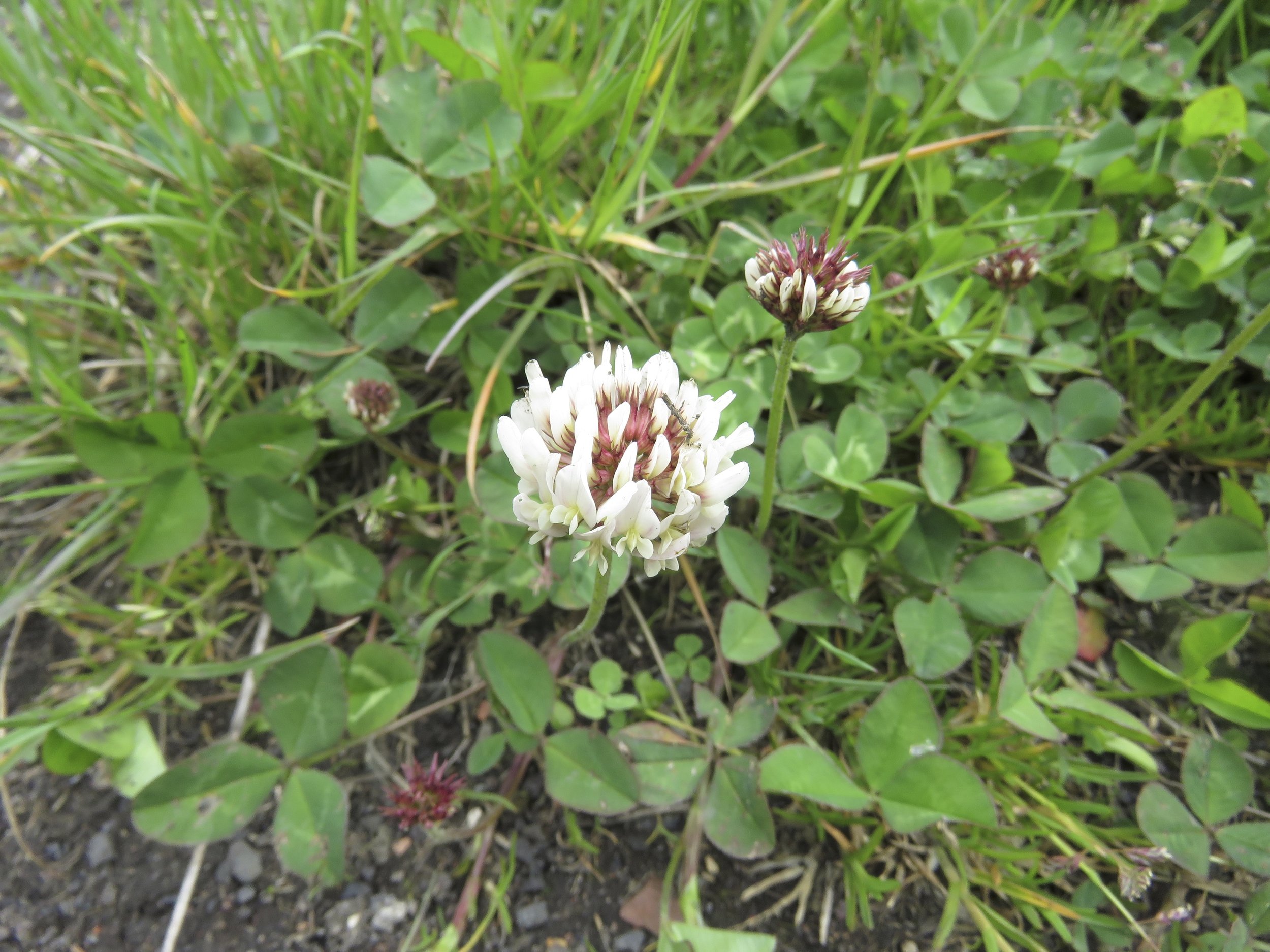
This clearly shows the leaf markings and the red / brown tinge in the middle of the flower.
Trifolium repens NS7947 28May2016 MP
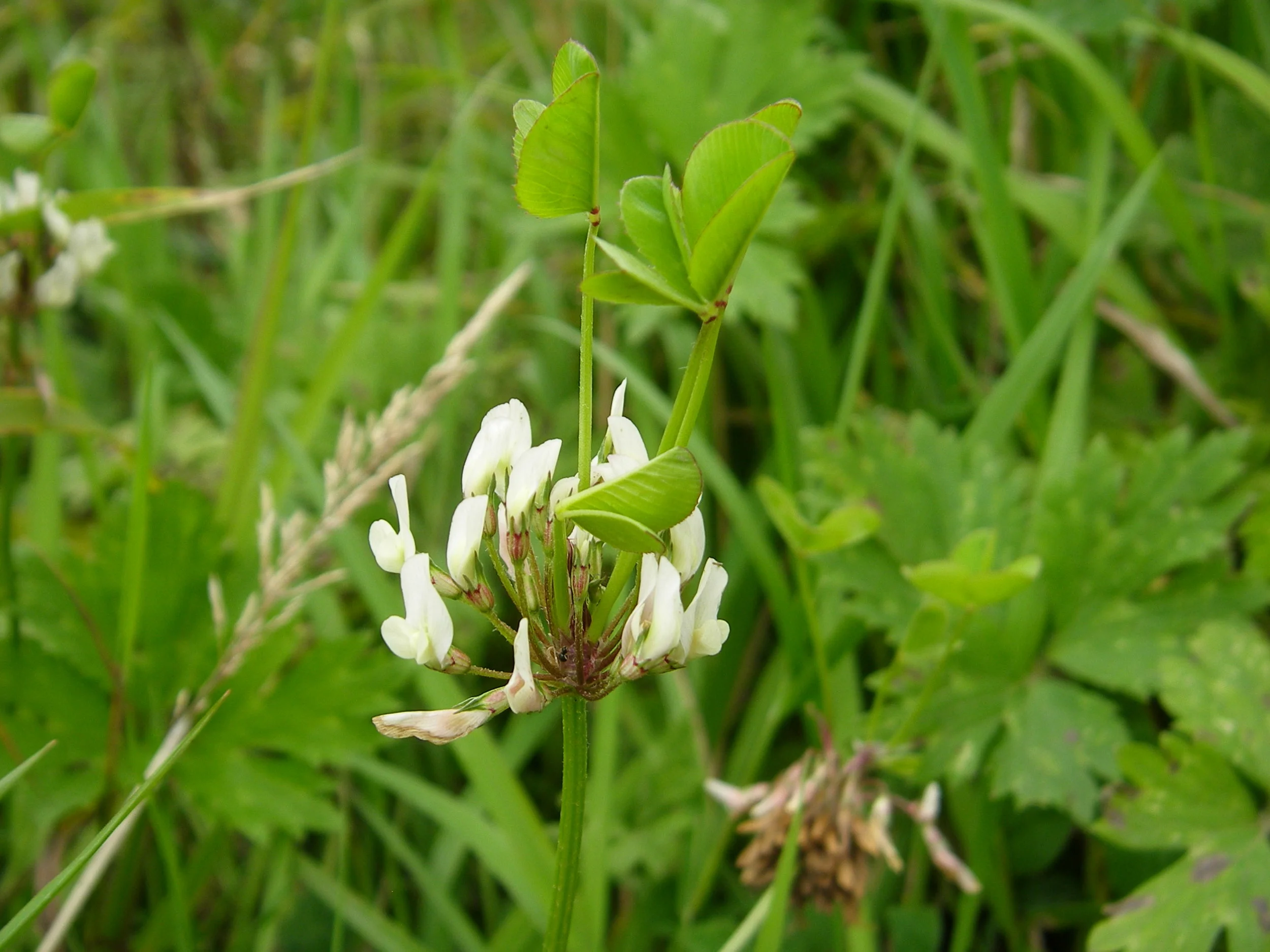
Flower heads are on a long bare stem.
Flowers can be pinkish and Red Clover's flowers can be whitish, but the latter always has leaves close below the flower head.
Trifolium repens NS7143 26Aug2010 MJP
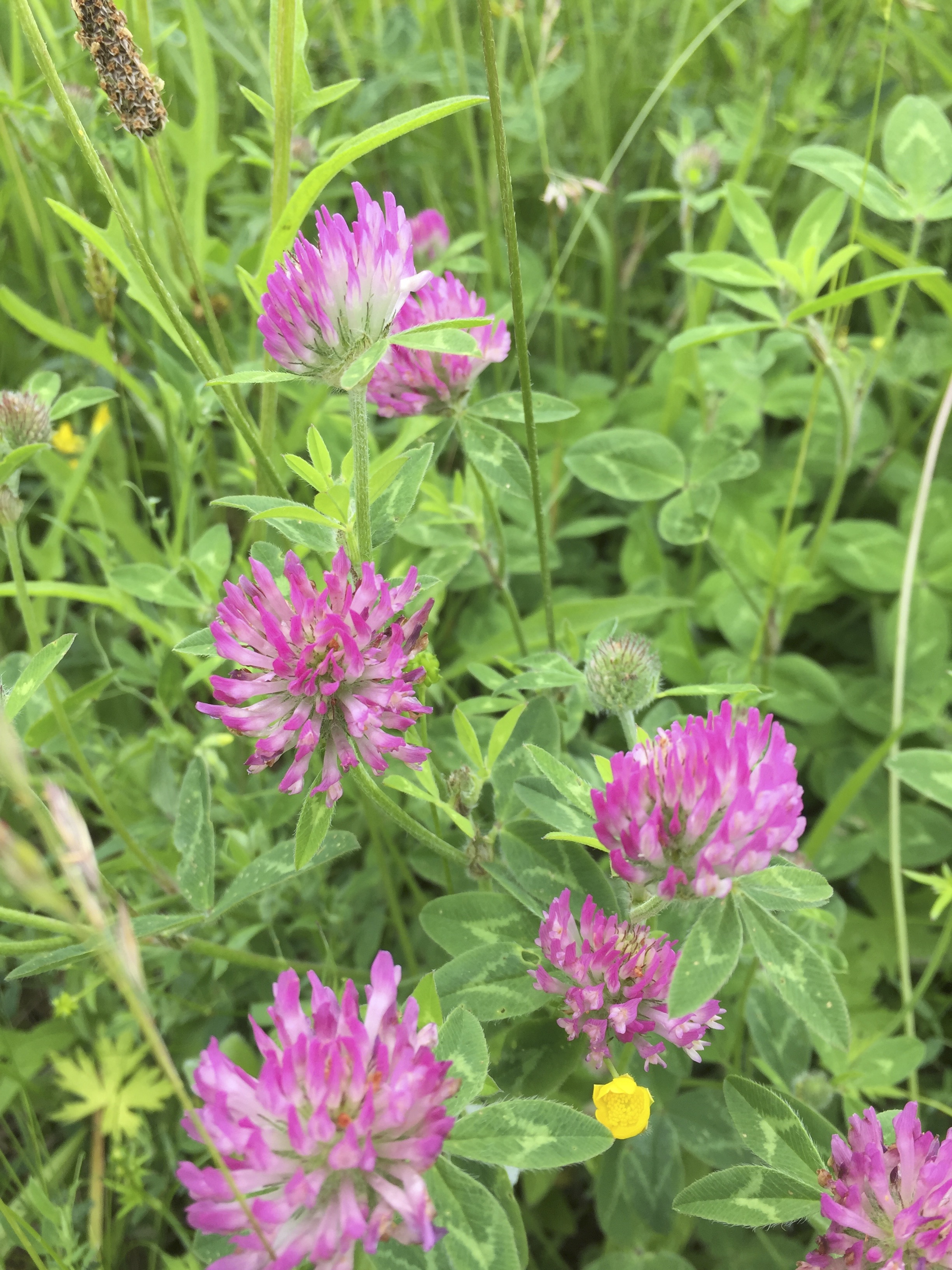
Trifolium pratense 22Jun2017 NS7155 MP
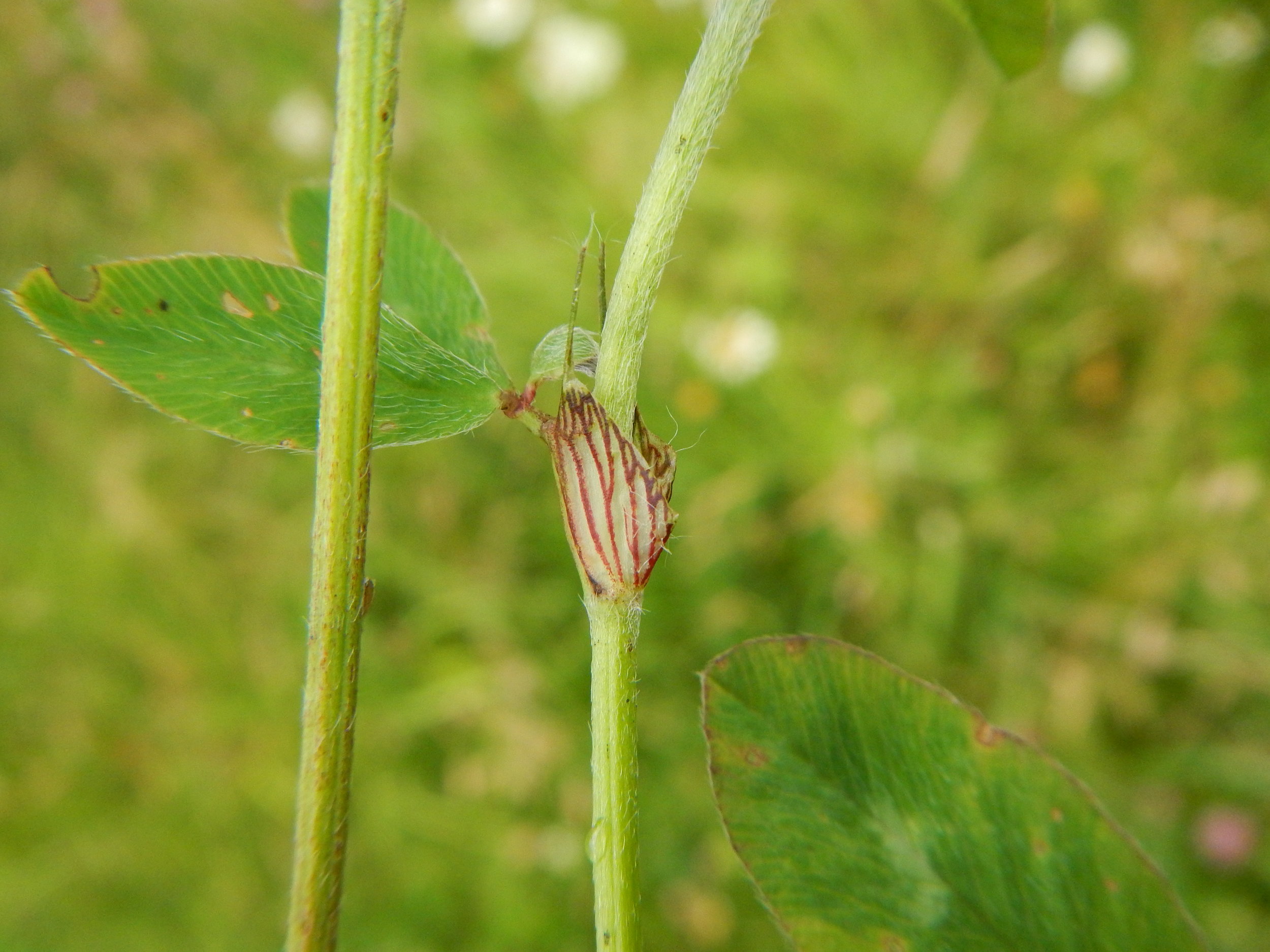
The free part of the stipule is triangular or ovate and abruptly narrowed into a bristle-like point. This differentiates it from Trifolium medium (Zigzag clover).
Trifolium pratense NS6163 02Nov2017 PW
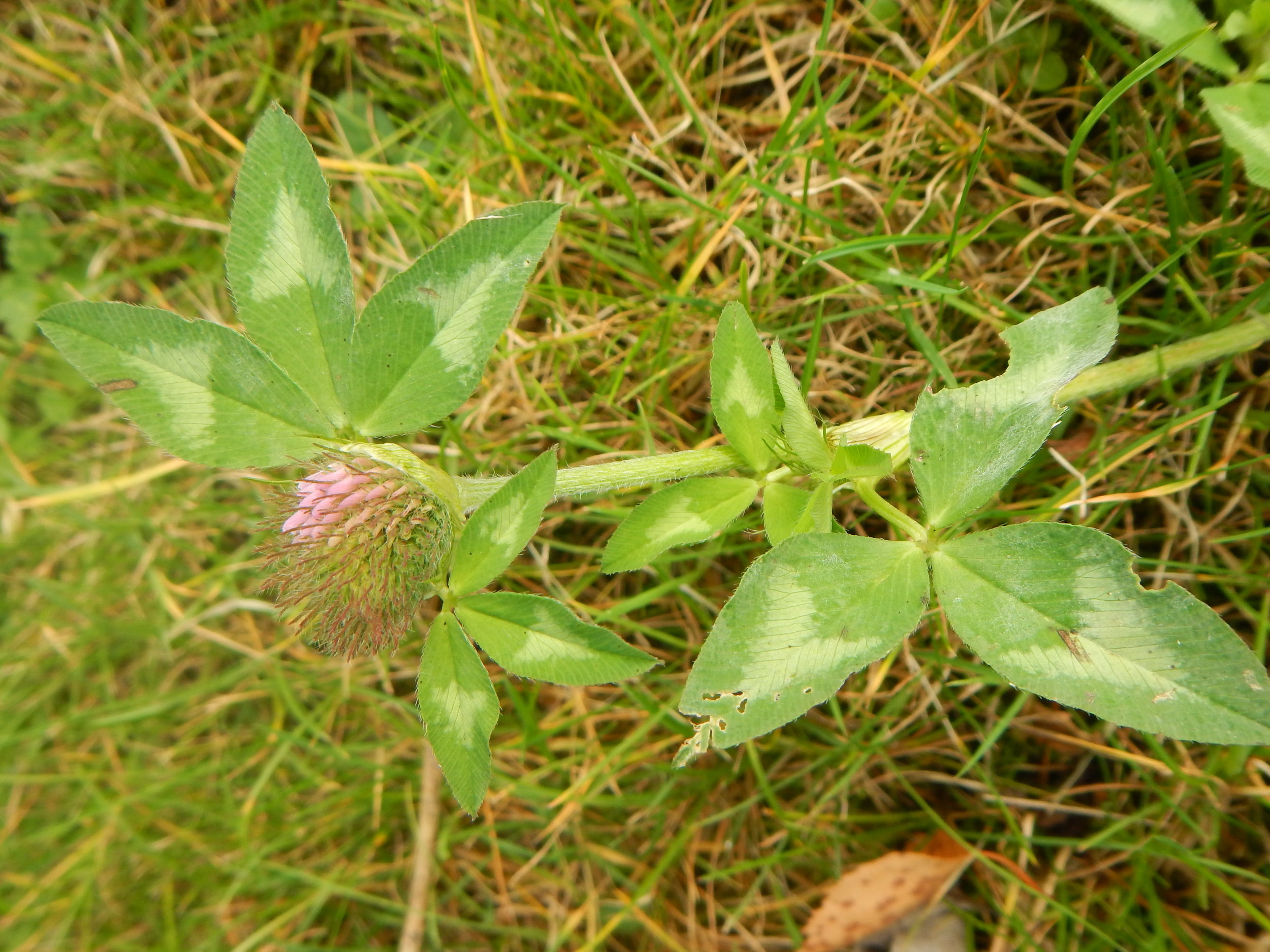
The chevron on leaves is distinctive and differentiates it from T. media which has unmarked leaves.
Trifolium pratense NS6163 02Nov2017 PW
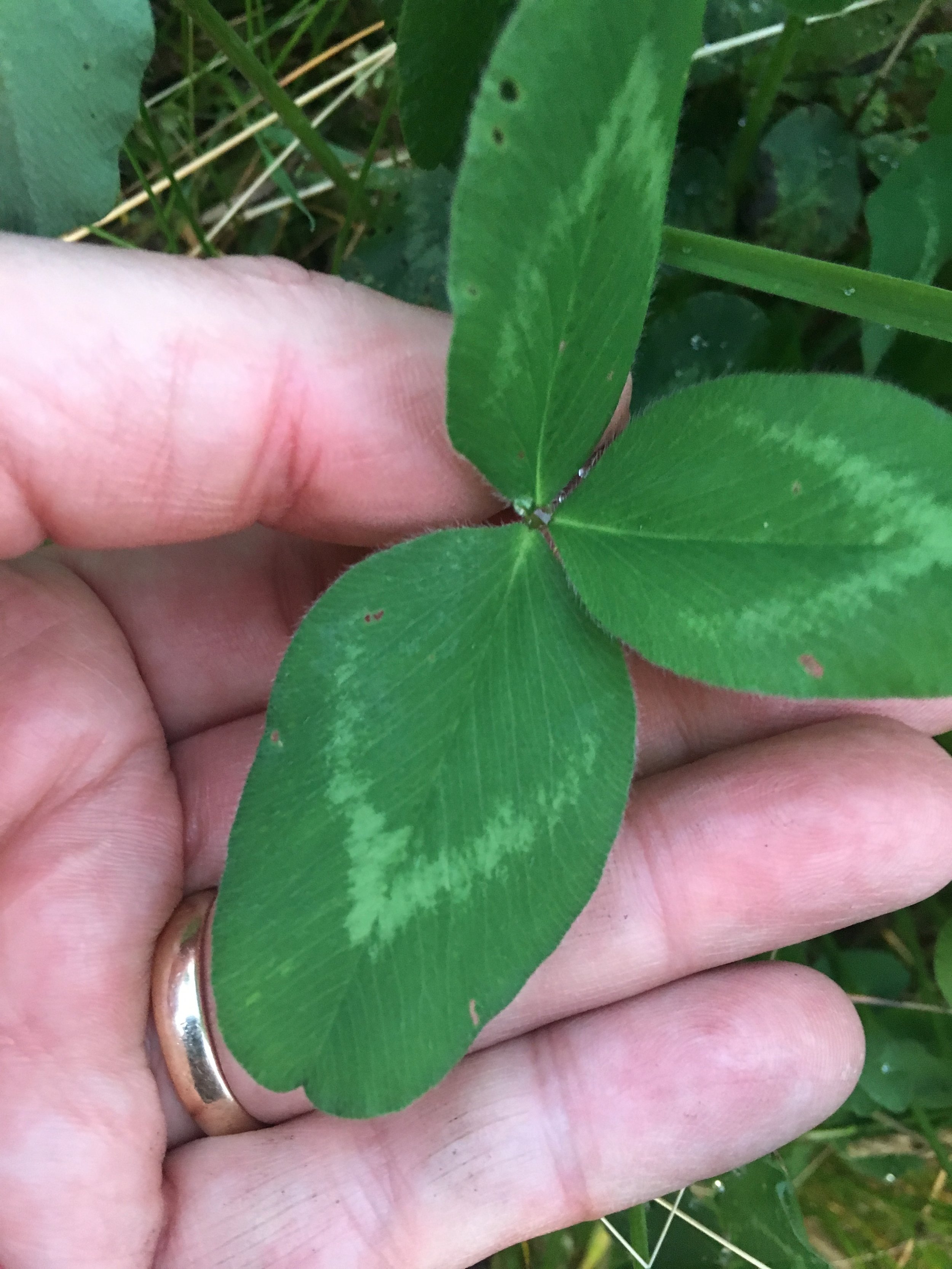
There is an agricultural variant of Red Clover, T. pratense var sativa which is larger and has hollow stems. The chevrons are clear - and the hand gives scale.
Trifolium pratense var. sativum NS 5566 04Sep17 PW
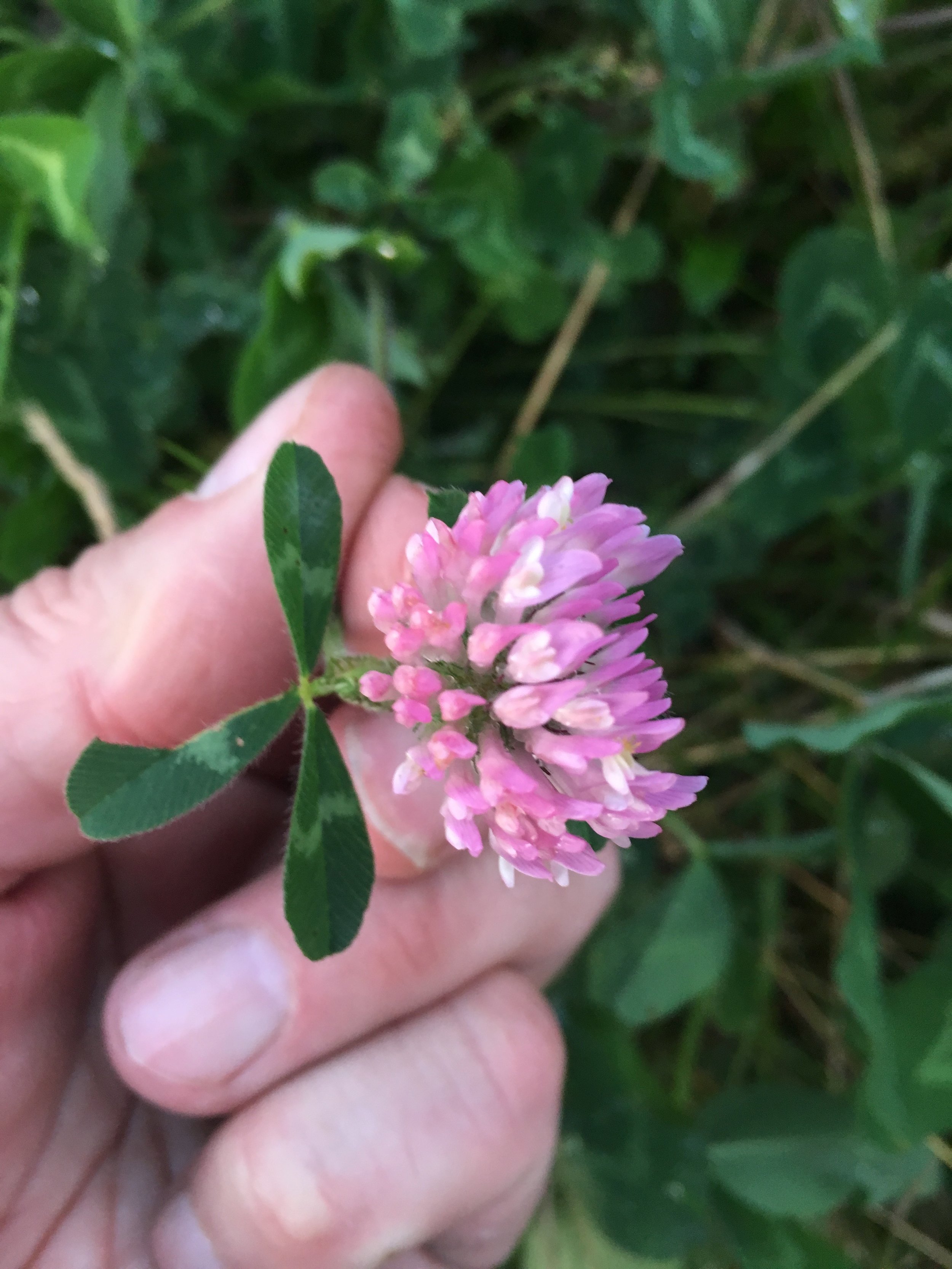
Again, the hand gives the scale of the larger T. pratense var. sativum
Trifolium pratense var. sativum NS 5566 04Sep17 PW
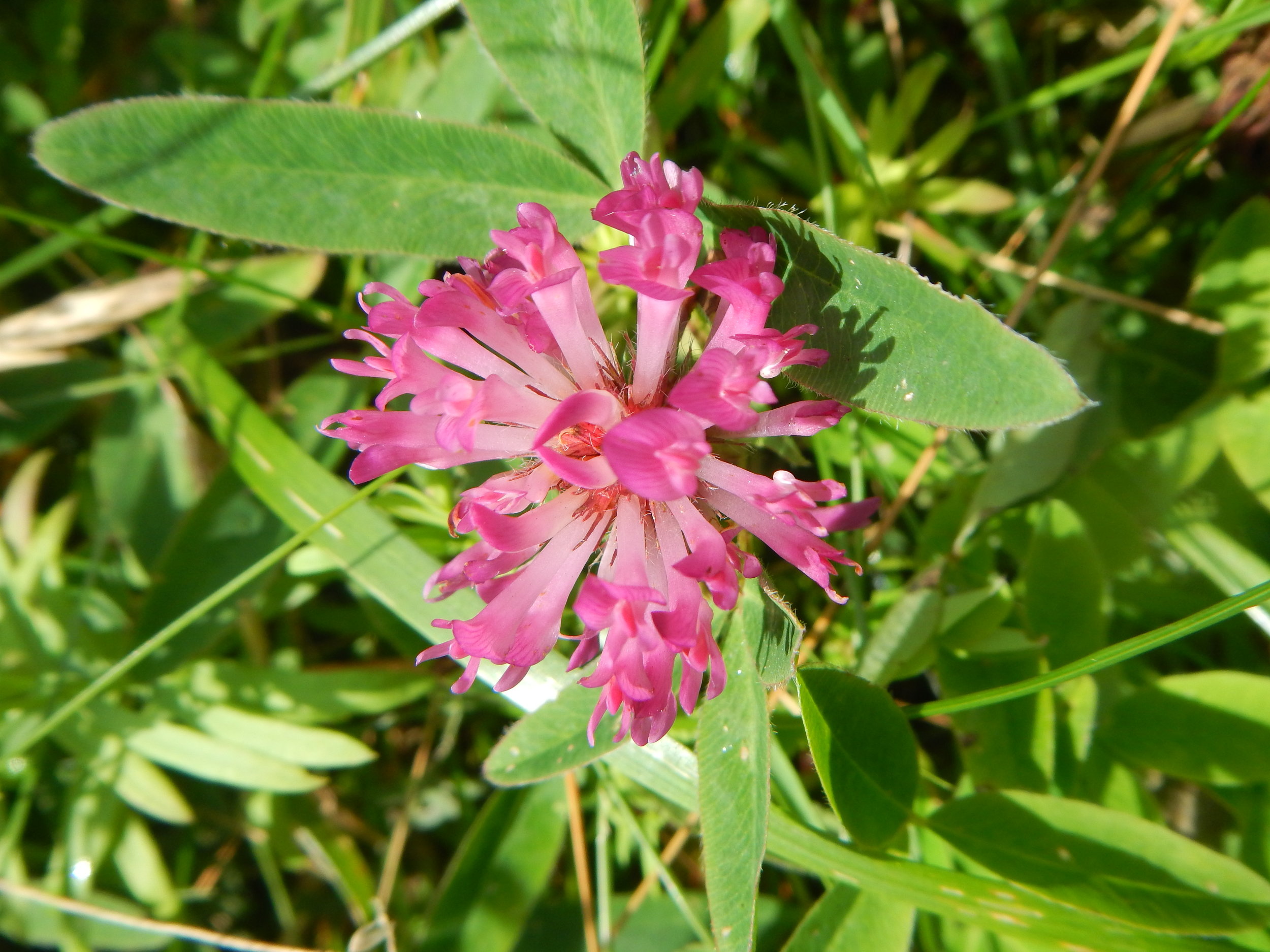
The flower is usually looser with a large amount of white exposed around centre of flower head, unlike in T. pratense. The flower is usually more distant from the first stem leaves.
Trifolium medium NS6764 23Jul2017 PW
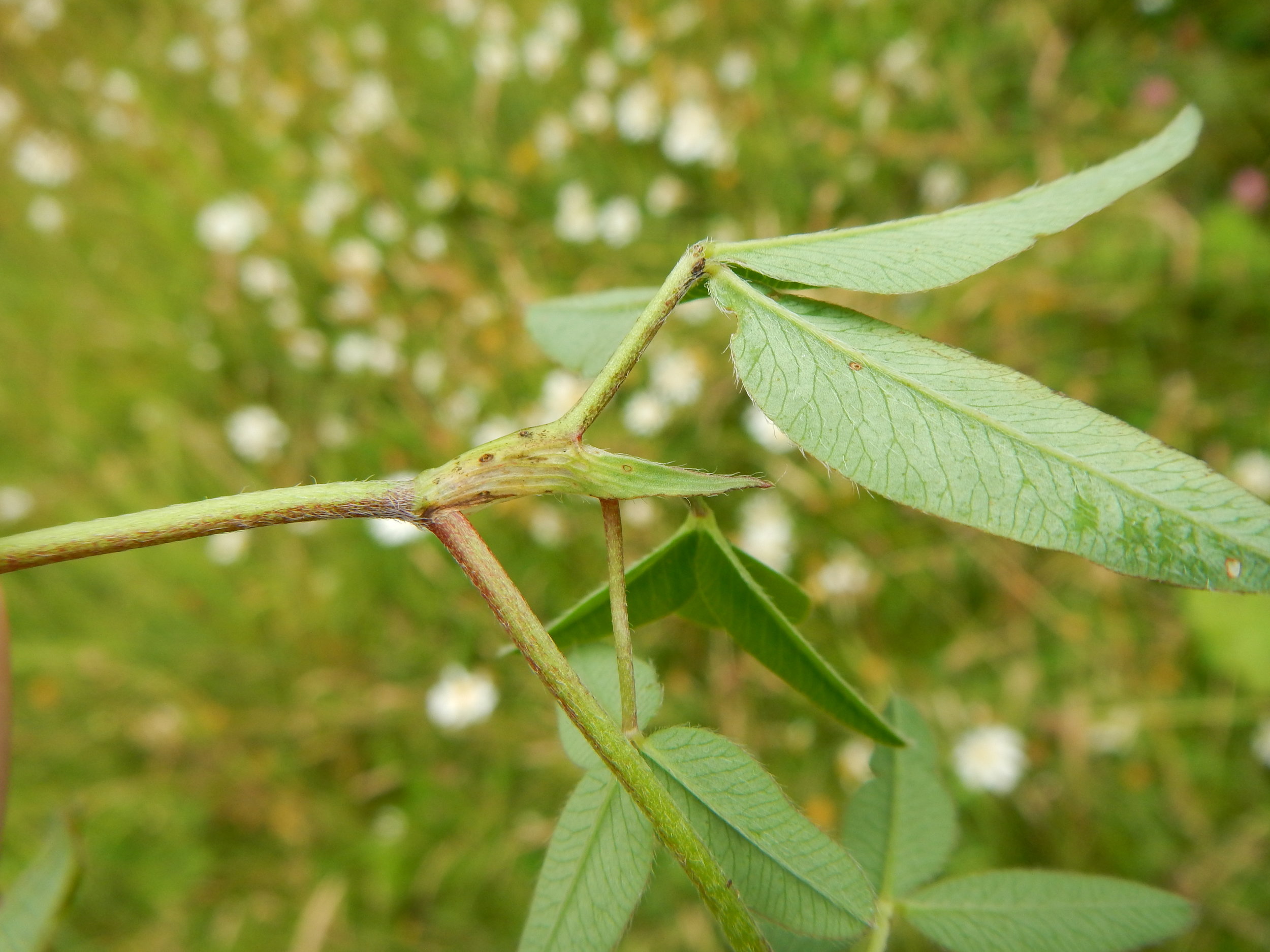
The stipule is leaf-like and does not end in thread-like appendage unlike Trifolium pratense.
Trifolium medium NS6764 23Jul2017 PW
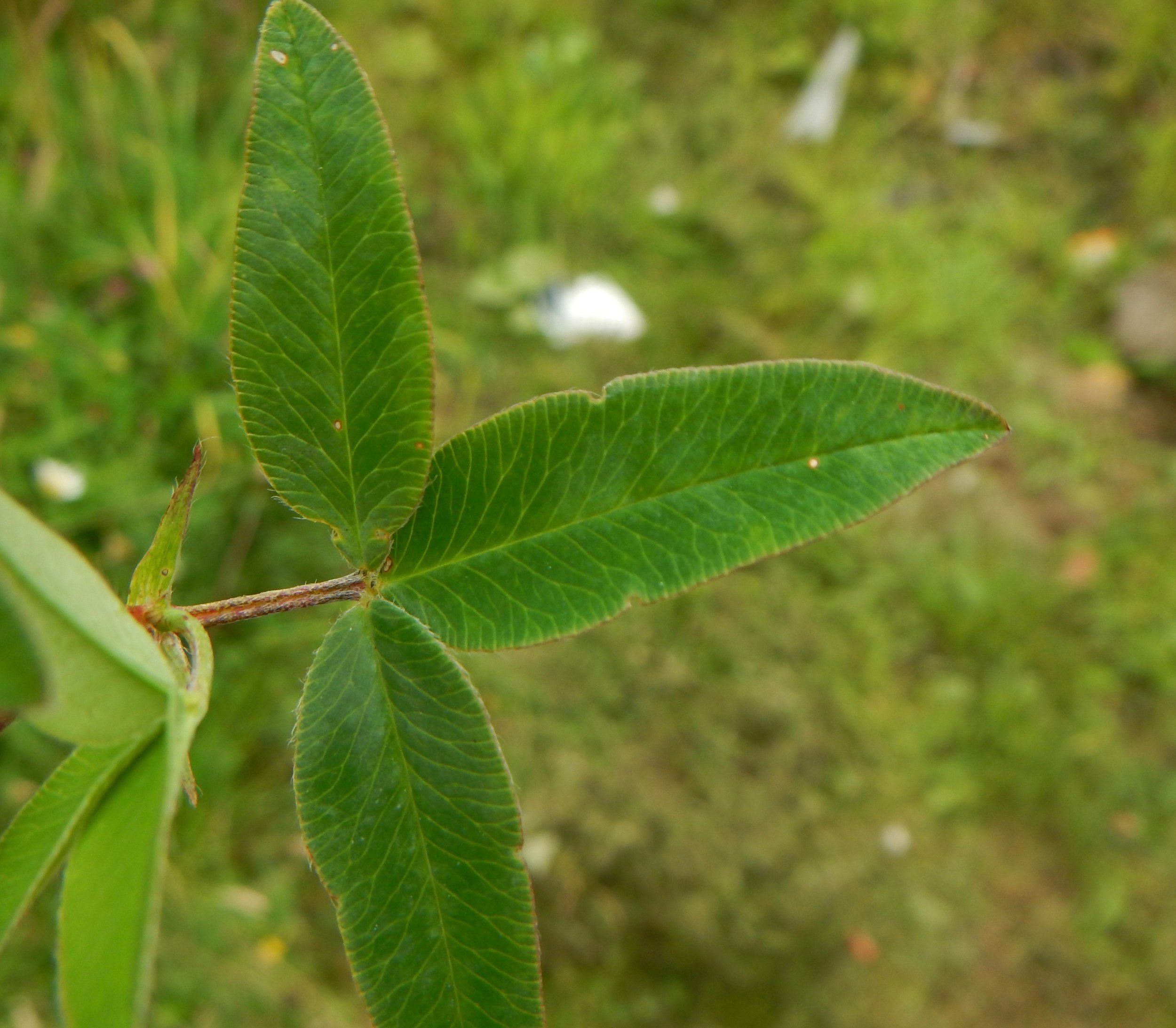
The leaf does not have the chevron marking and is usually thinner.
Trifolium medium NS6764 23Jul2017 PW
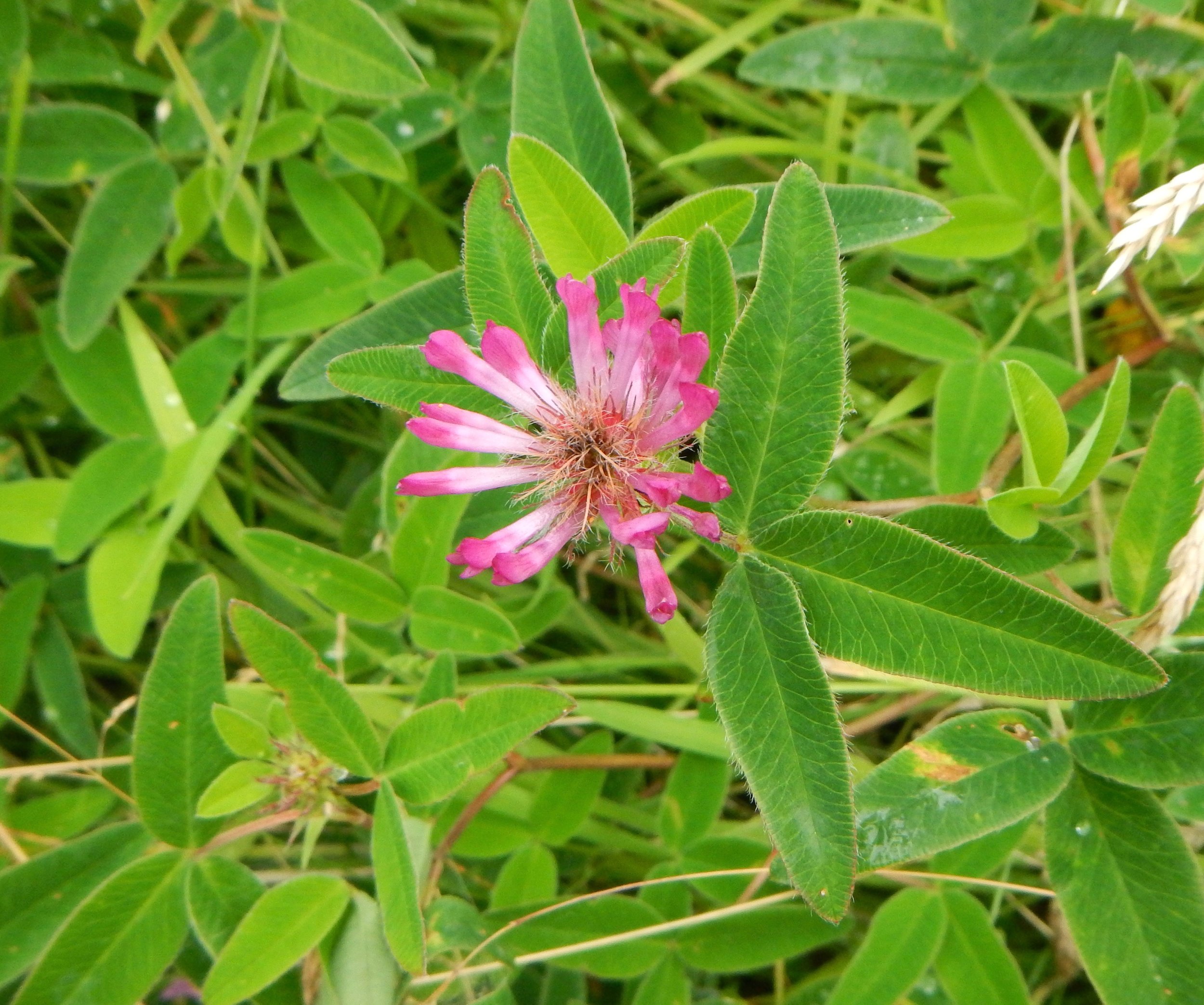
Leaves narrower than T. pratense and very distinctive once known.
Trifolium medium NS6764 23Jul2017 PW
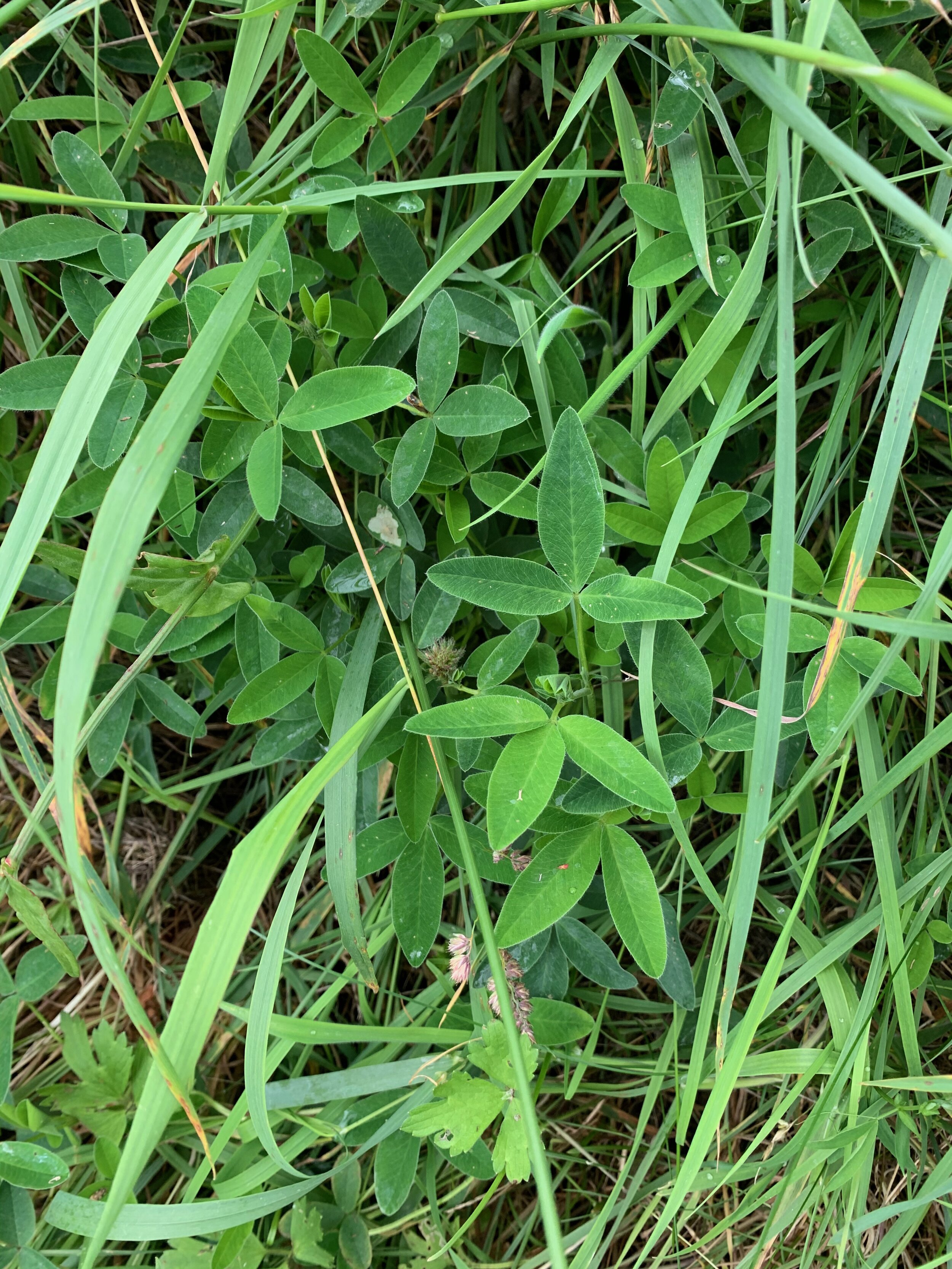
Note the leaf shape, longer and thinner than T pratense, no chevron marks and the range of green of the leaves.
Trifolium medium NS6051 9July2020 PW
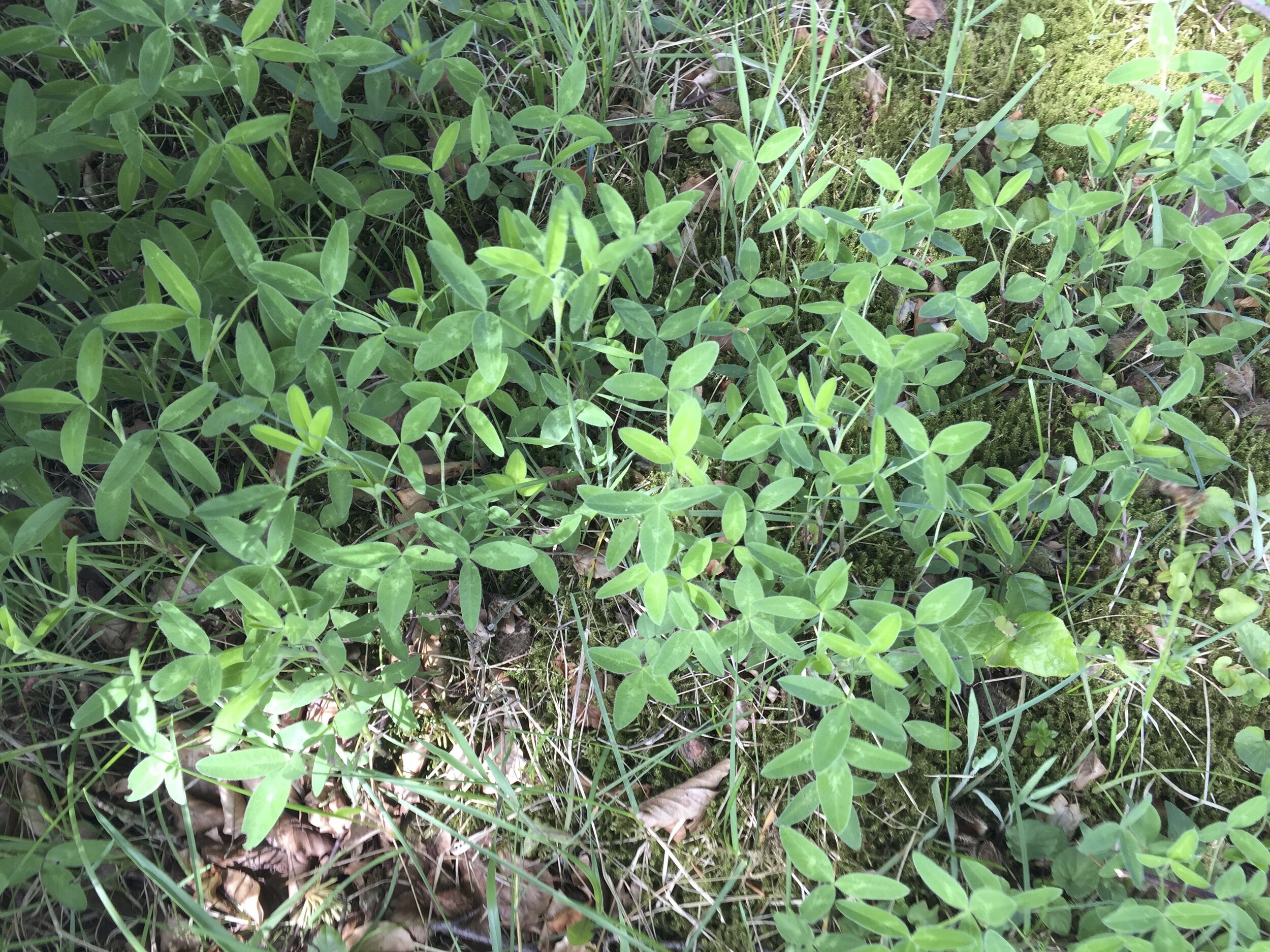
The thinner leaflets with the white chevron are distinctive.
Trifolium medium NS7848 07Jun2020 MP
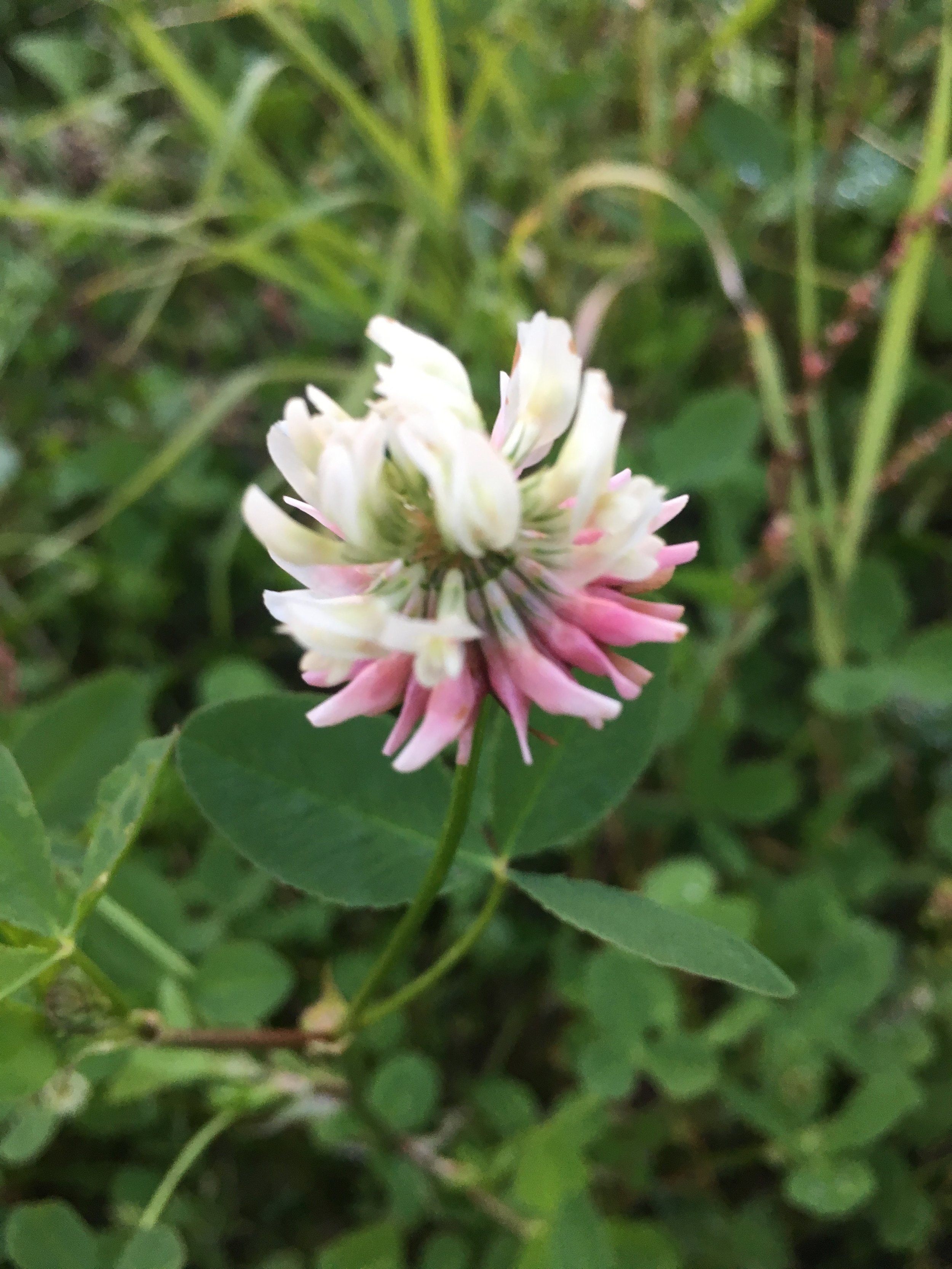
Trifolium hybridum NS 5665 04Sep17 PW

Trifolium hybridum NS 8070 30Sep2017 PW
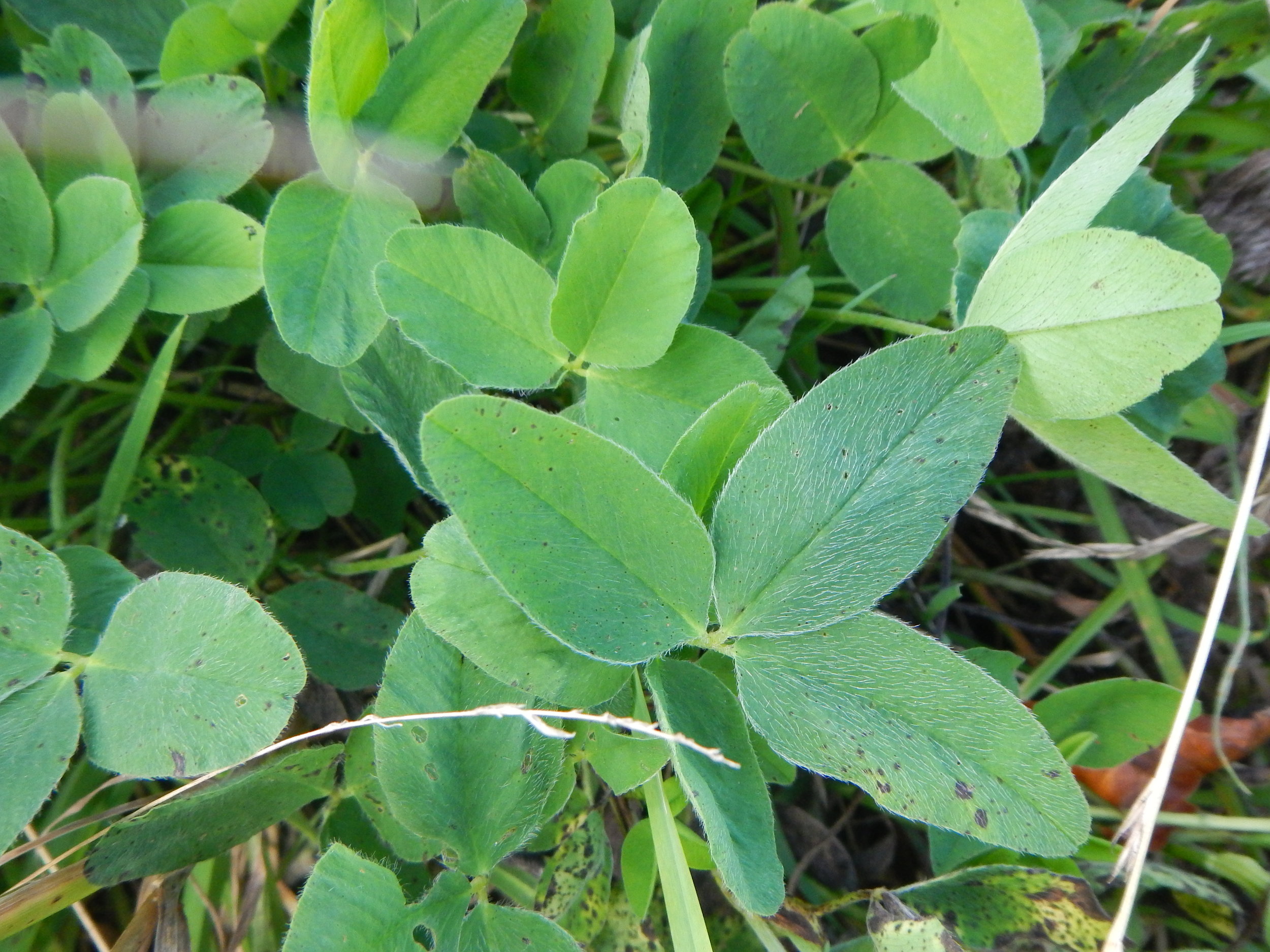
Trifolium hybridum NS 8070 30Sep2017 PW

Trifolium hybridum NS7948 1Aug2020 MP
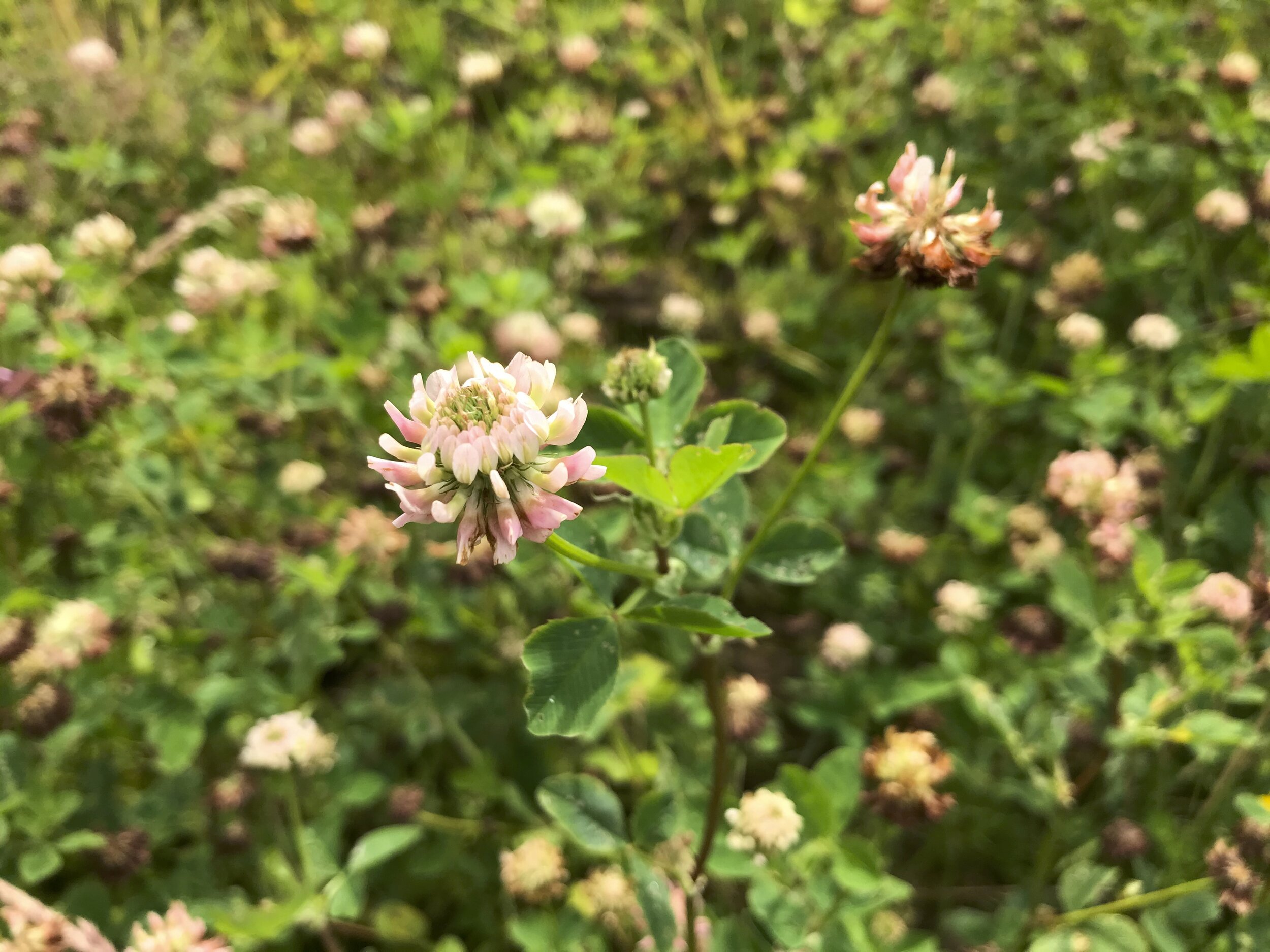
Trifolium hybridum NS7948 1Aug2020 MP

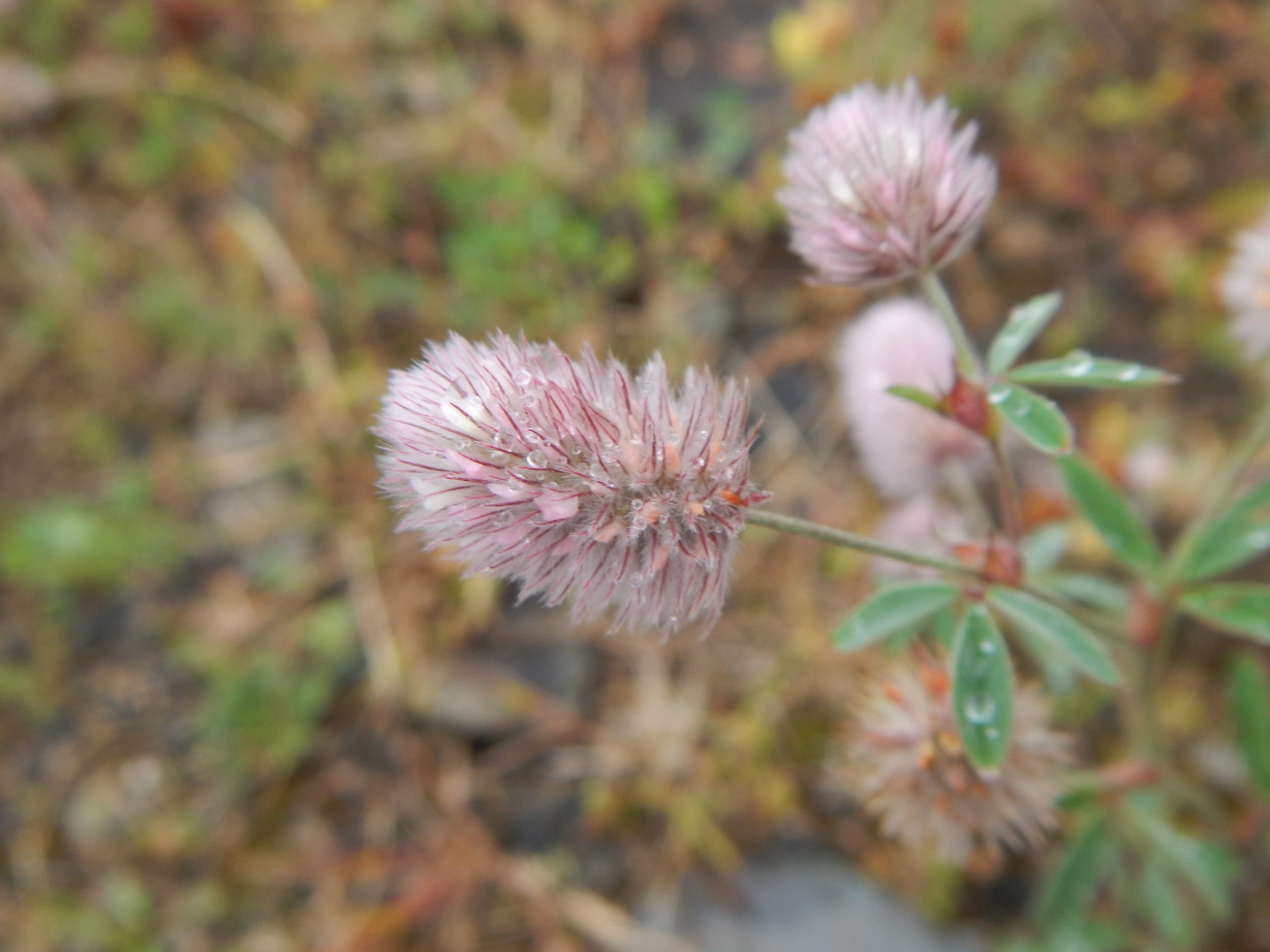
Trifolium arvense NS6765 23Jul2017 PW
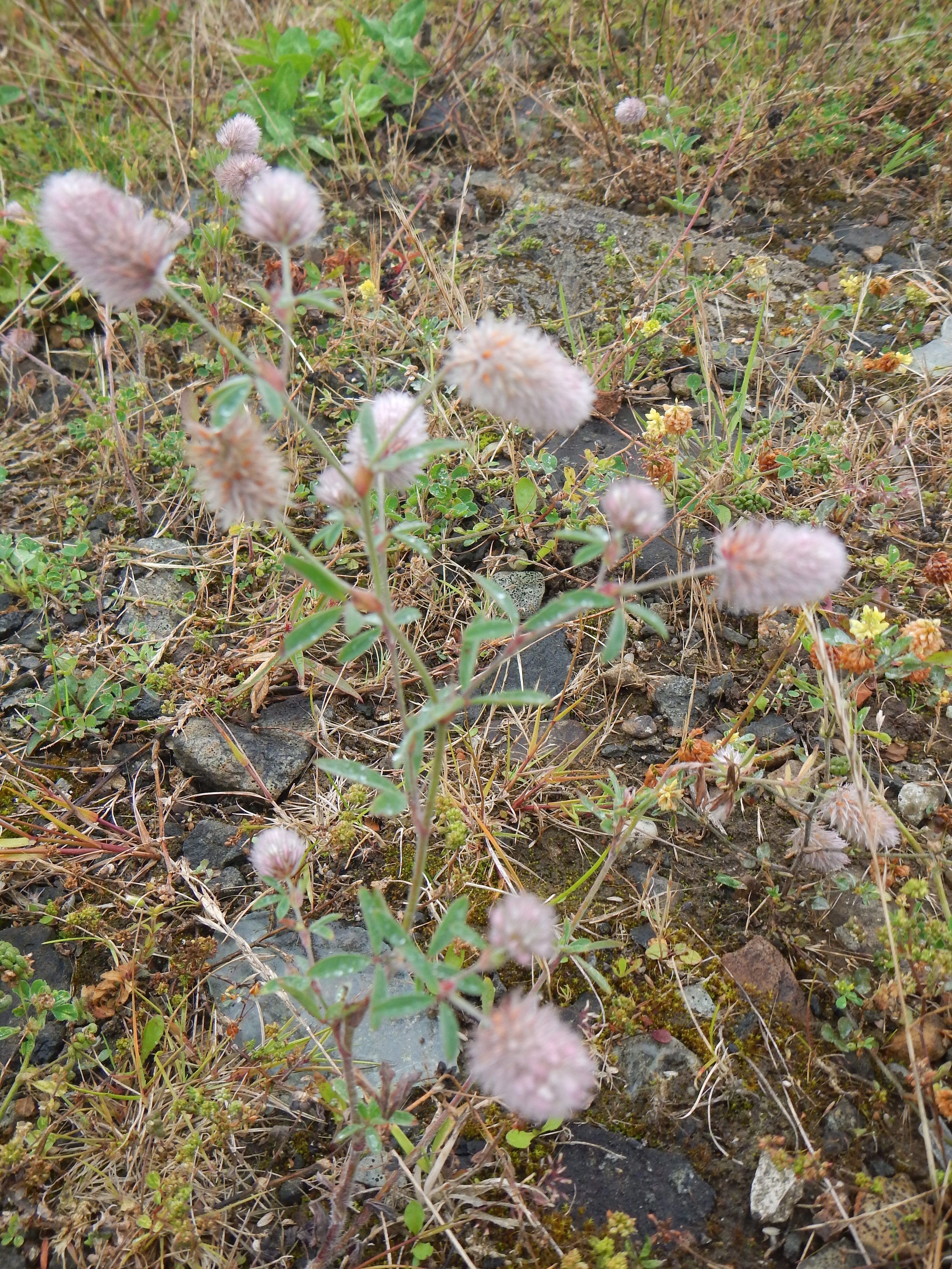
Trifolium arvense NS6765 23Jul2017 PW
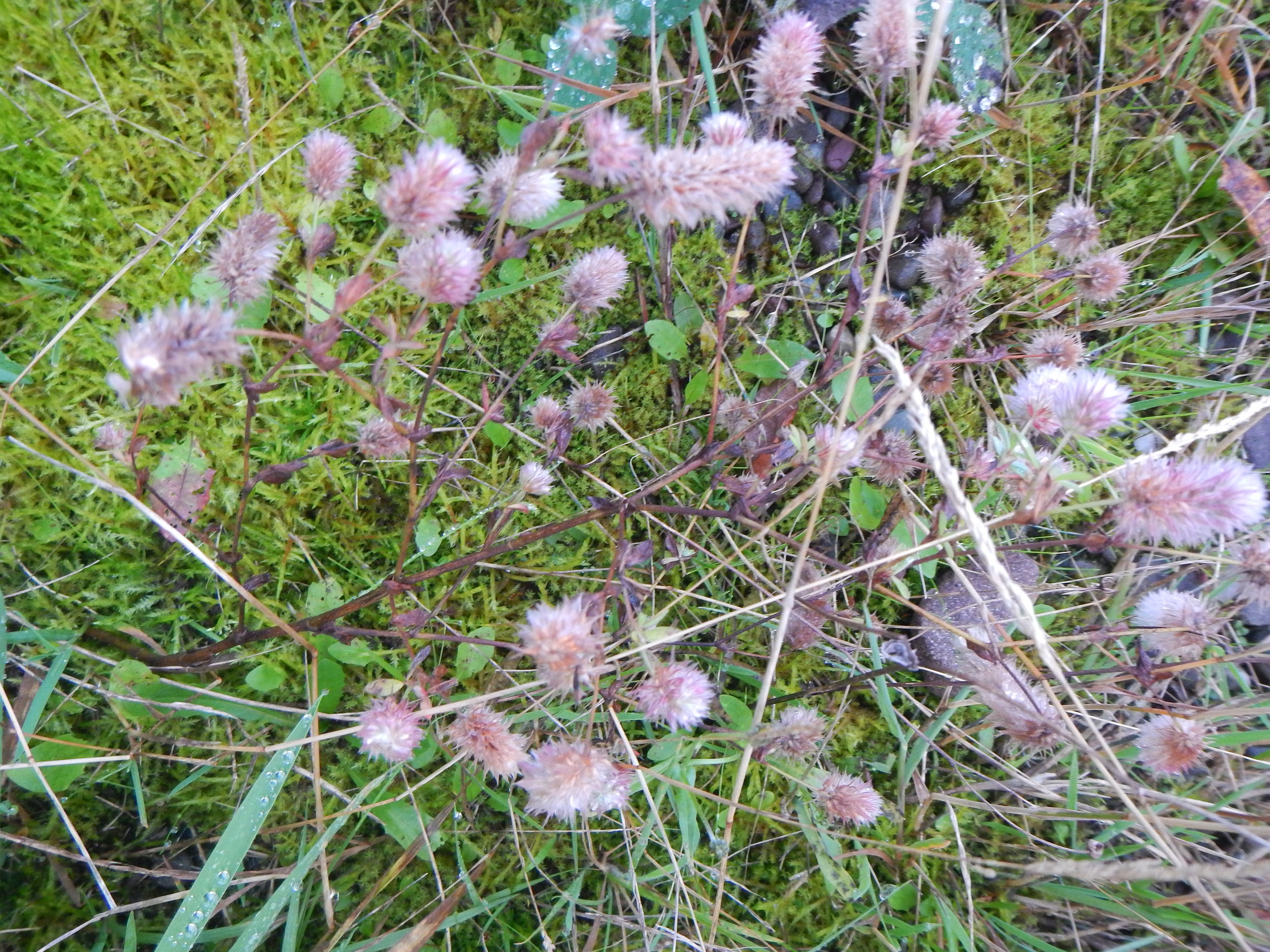
Trifolium arvense NS5765 13Oct17 PW
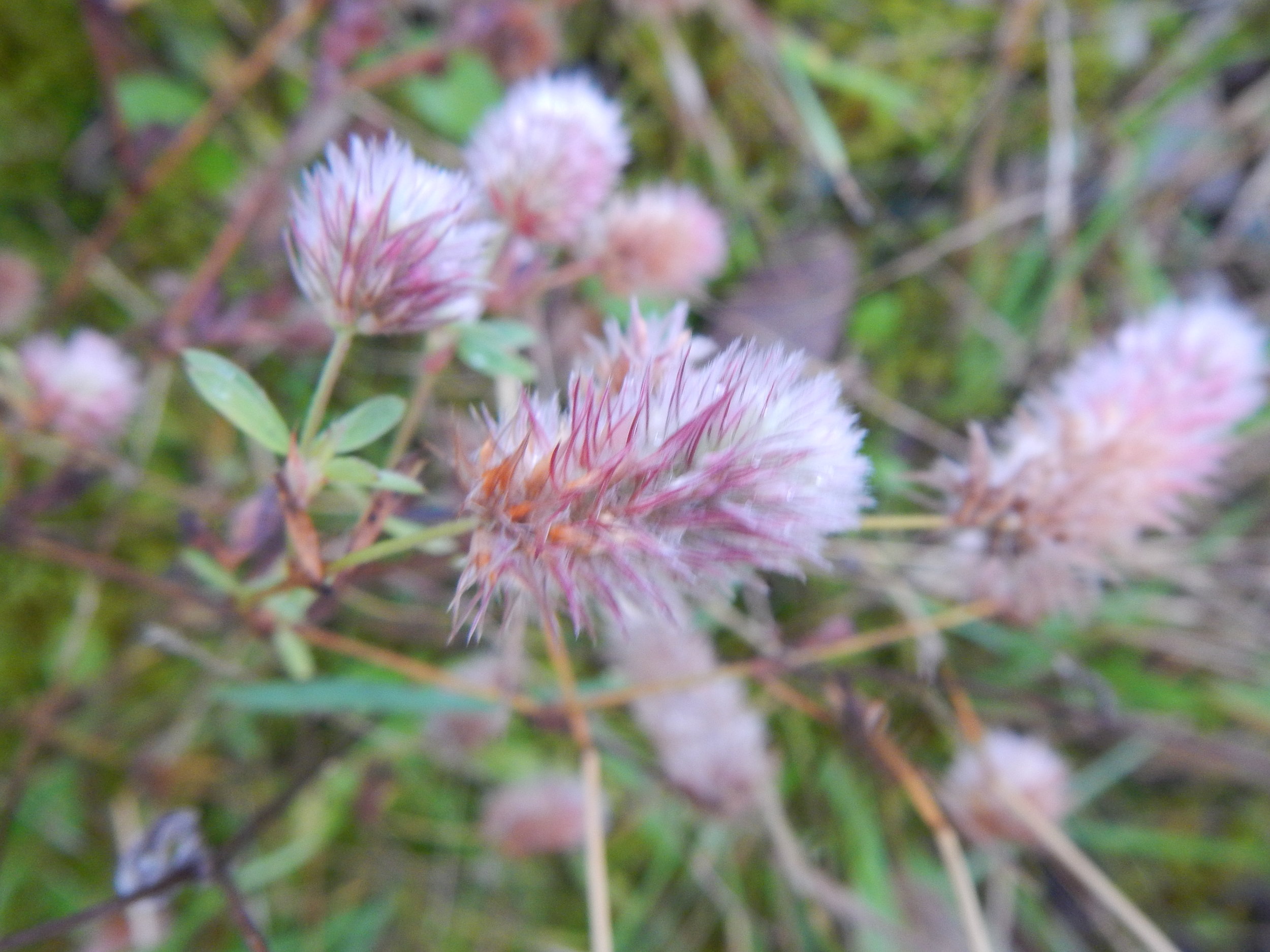
Trifolium arvense NS5765 13Oct17 PW
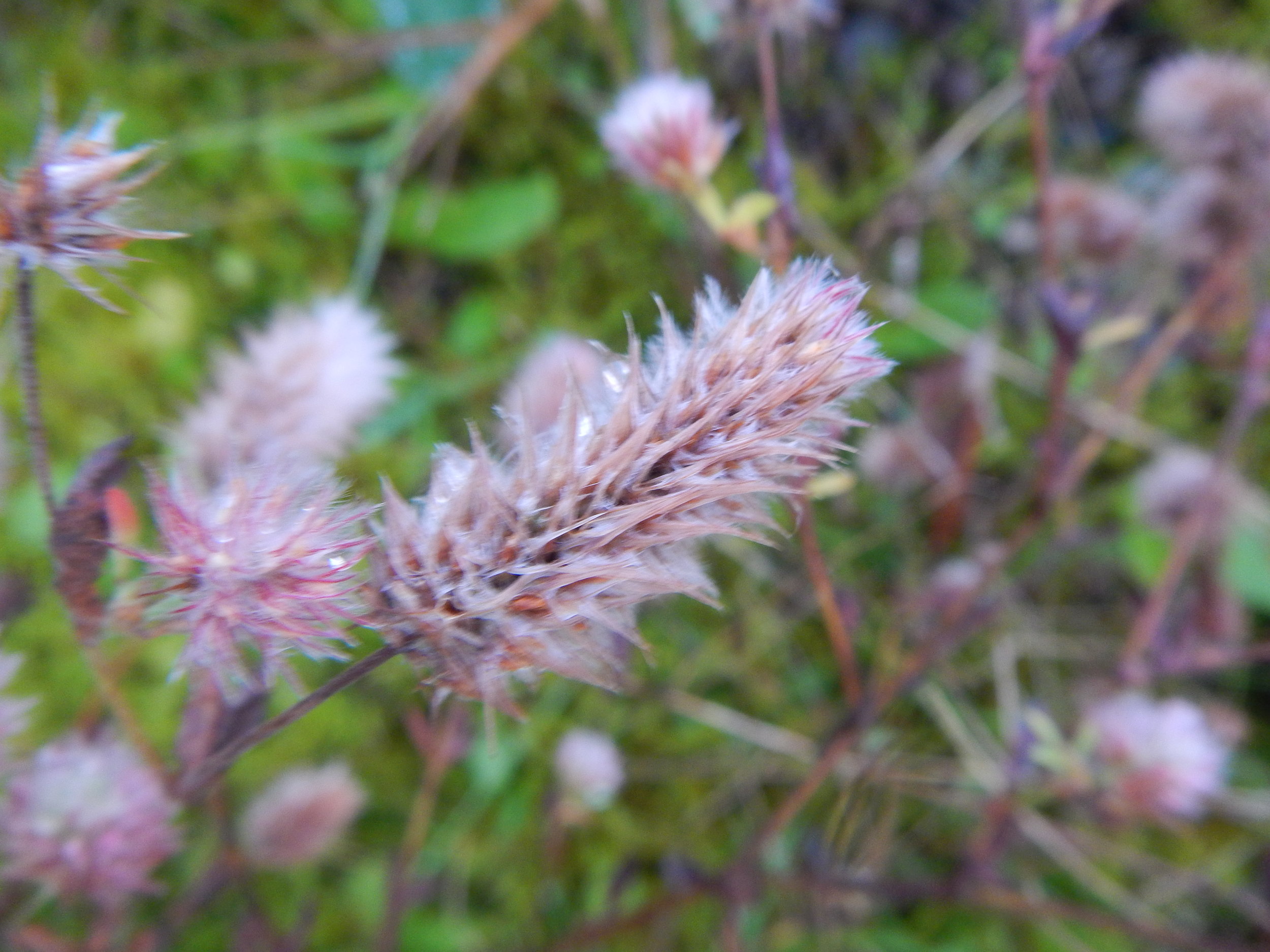
Trifolium arvense NS5765 13Oct17 PW

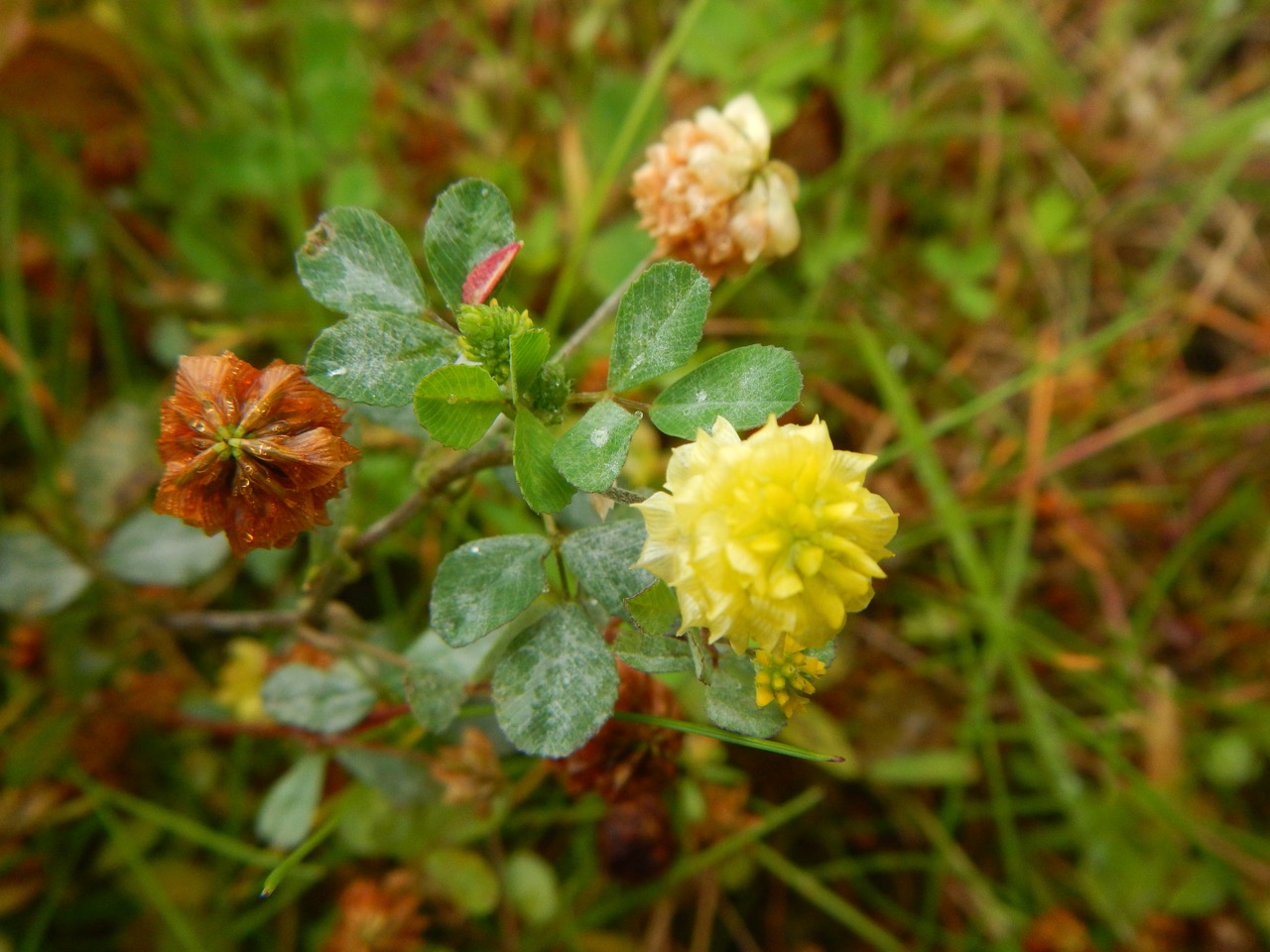
Trifolium campestre NS6765 23Jul2017 PW

Trifolium campestre 12May2017 NS9267 MP
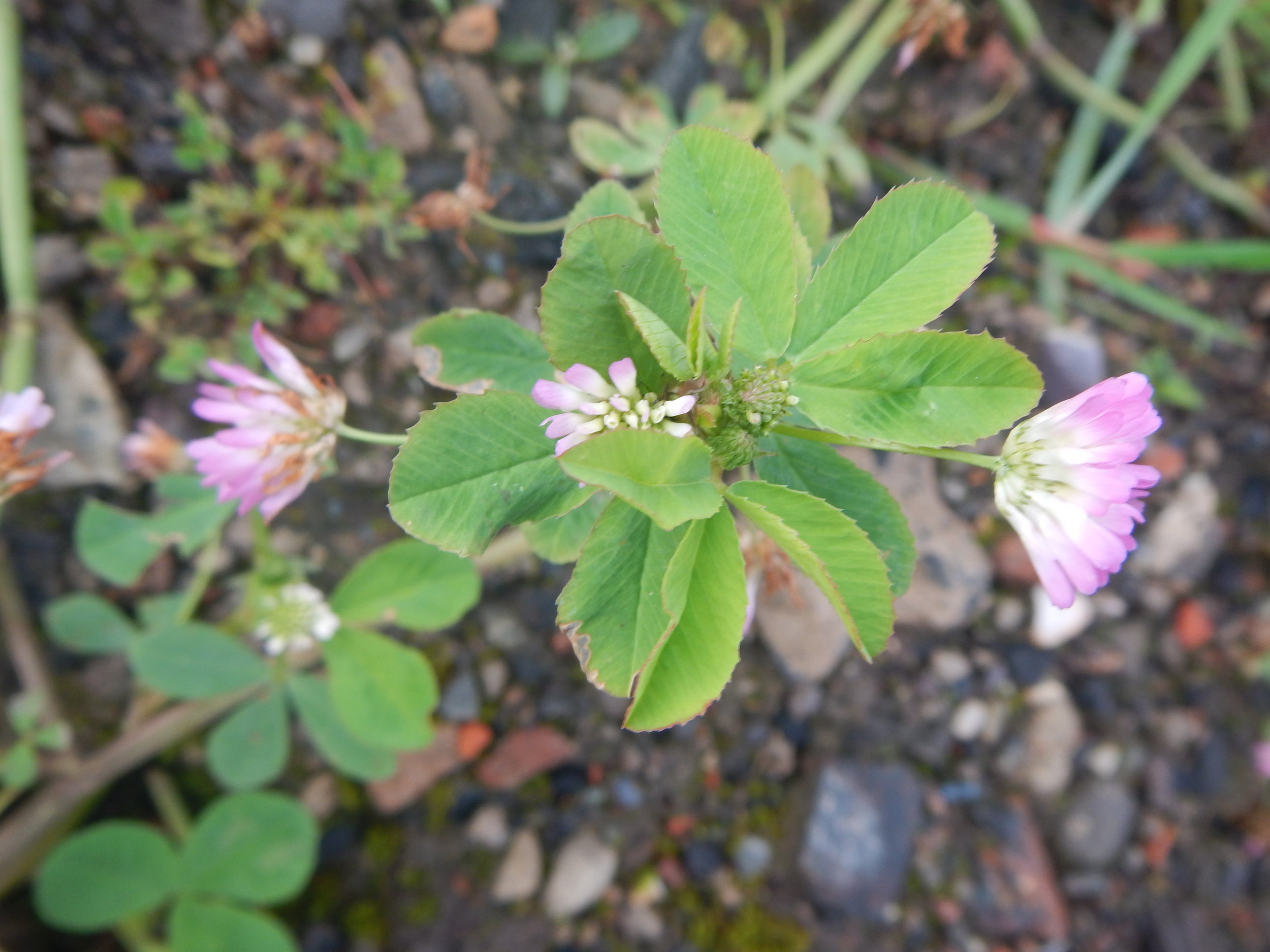
Trifolium resupinatum NS6065 17Nov17 PW
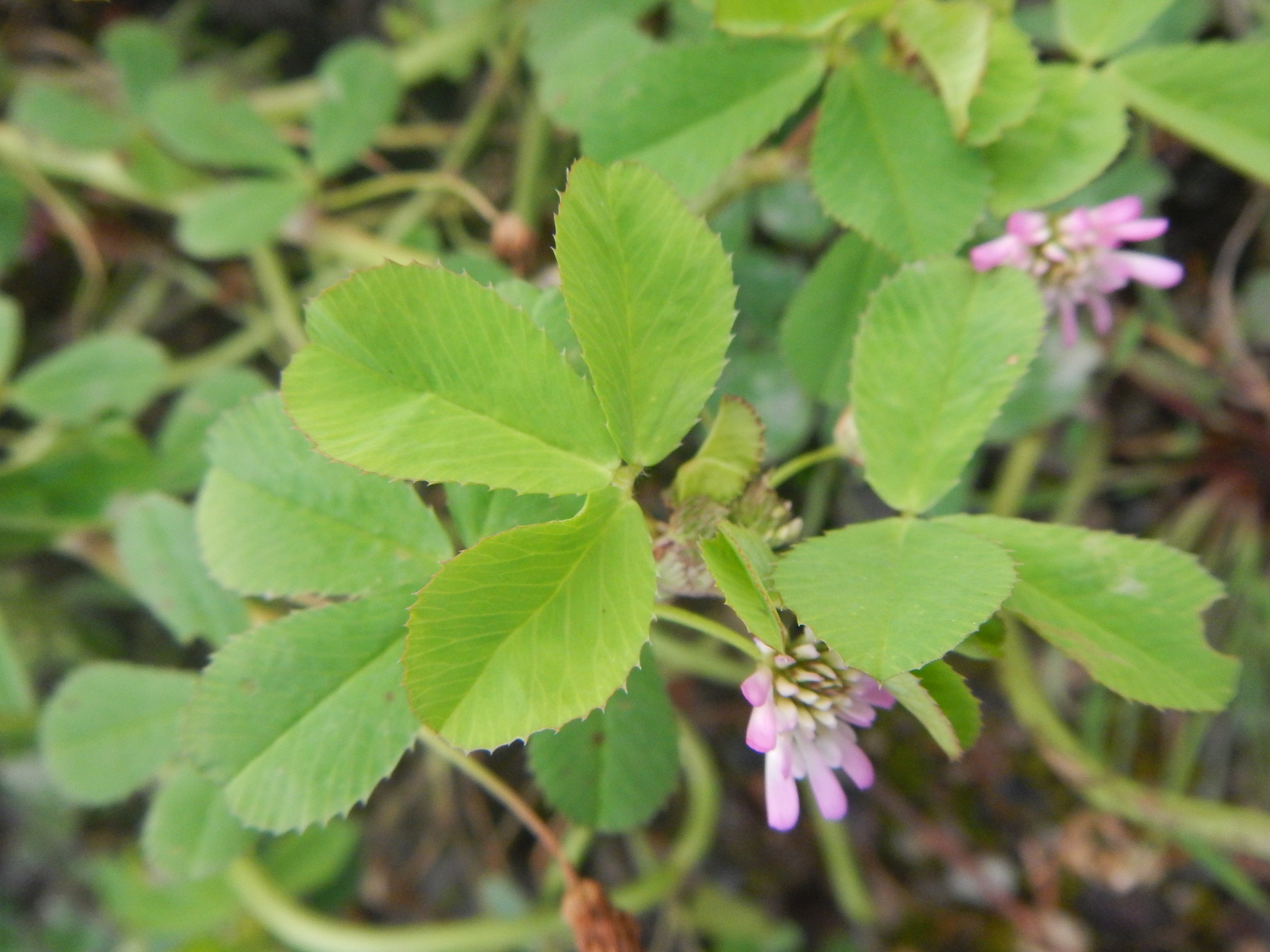
Trifolium resupinatum NS6065 17Nov17 PW

Trifolium resupinatum NS6065 17Nov17 PW
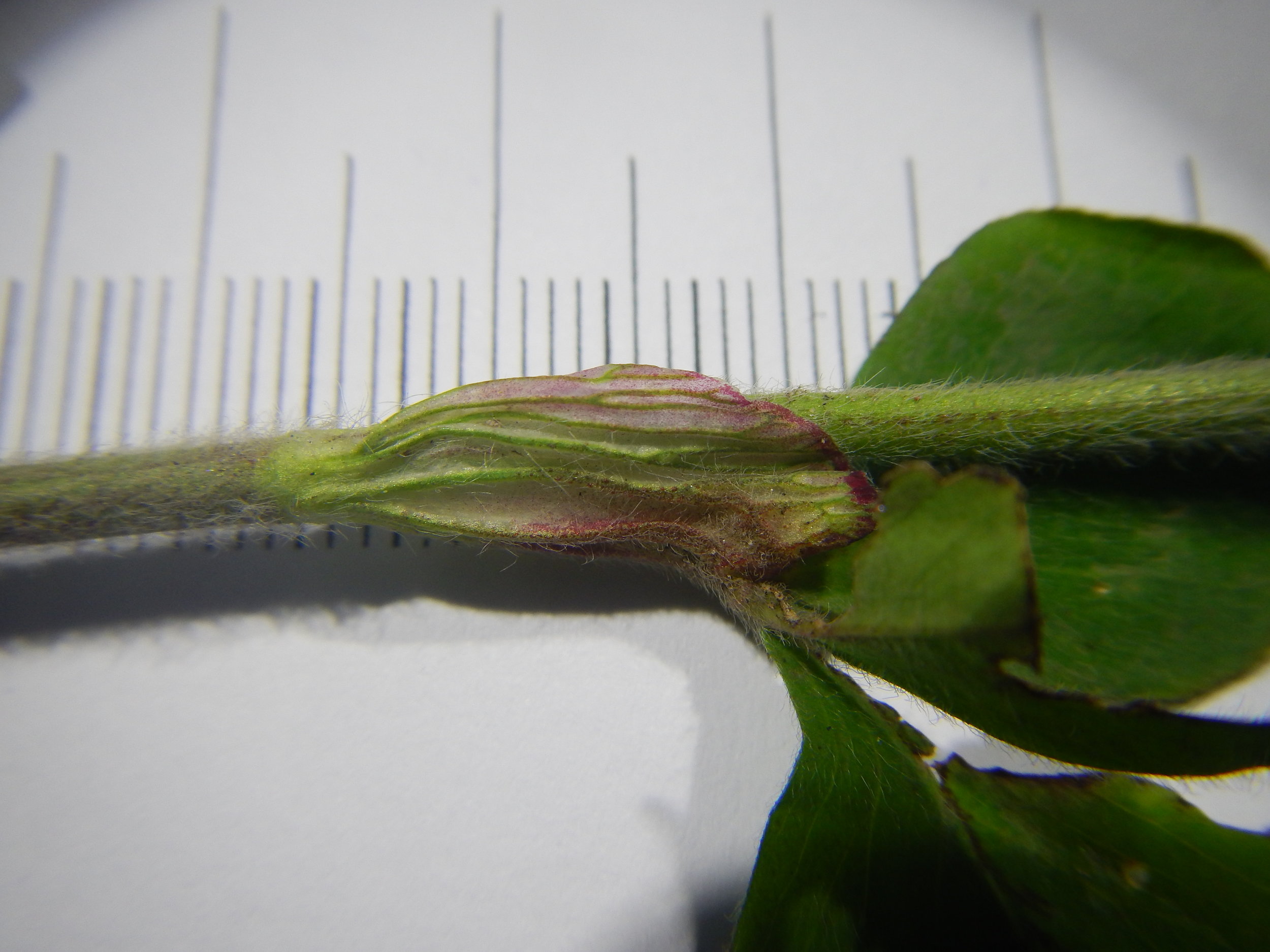
Trifolium resupinatum NS6065 17Nov17 PW
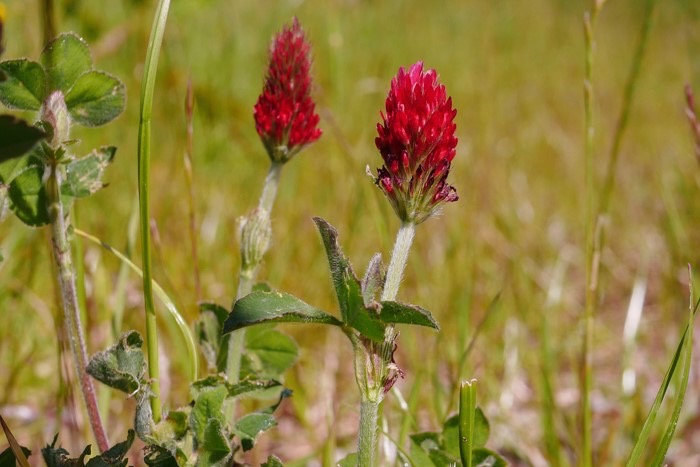
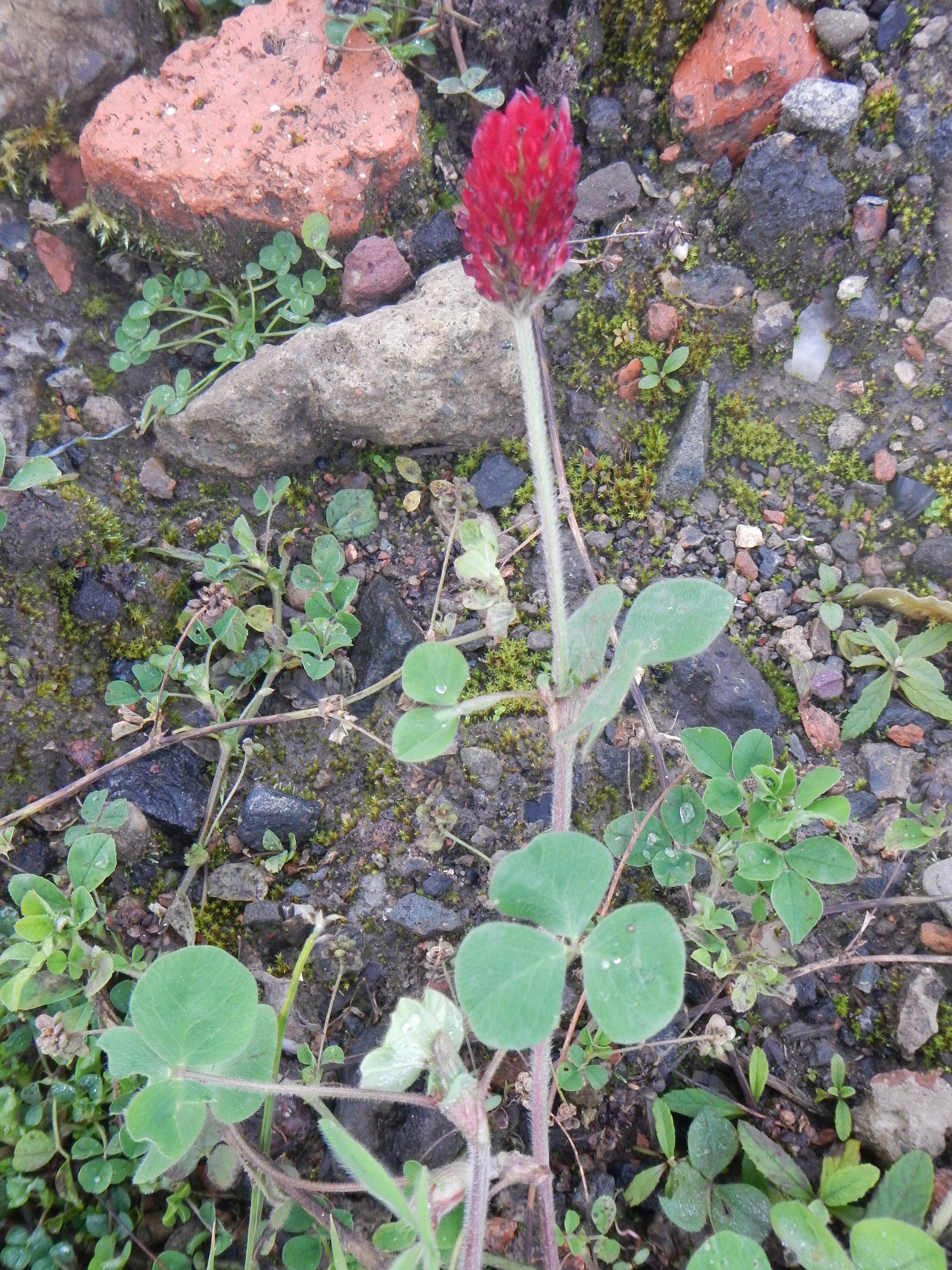
Trifolium incarnatum ssp incarnatum NS6265 17Nov2017 PW
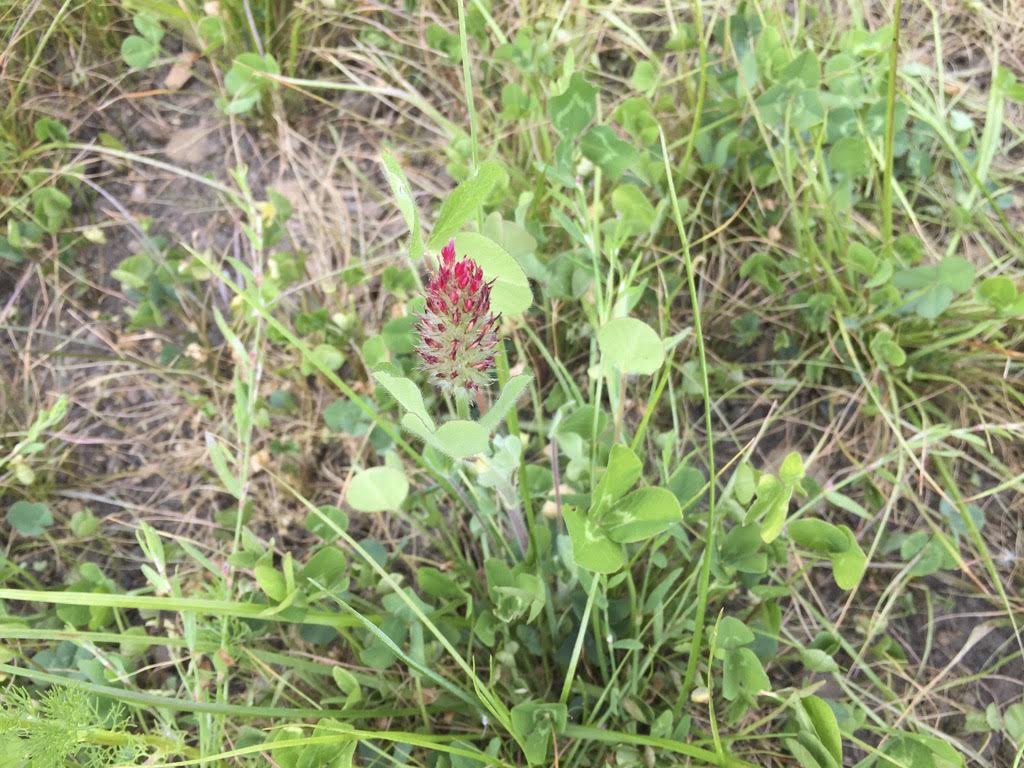
Trifolium incarnatum ssp incarnatum NS7158 12Jul2018 PW
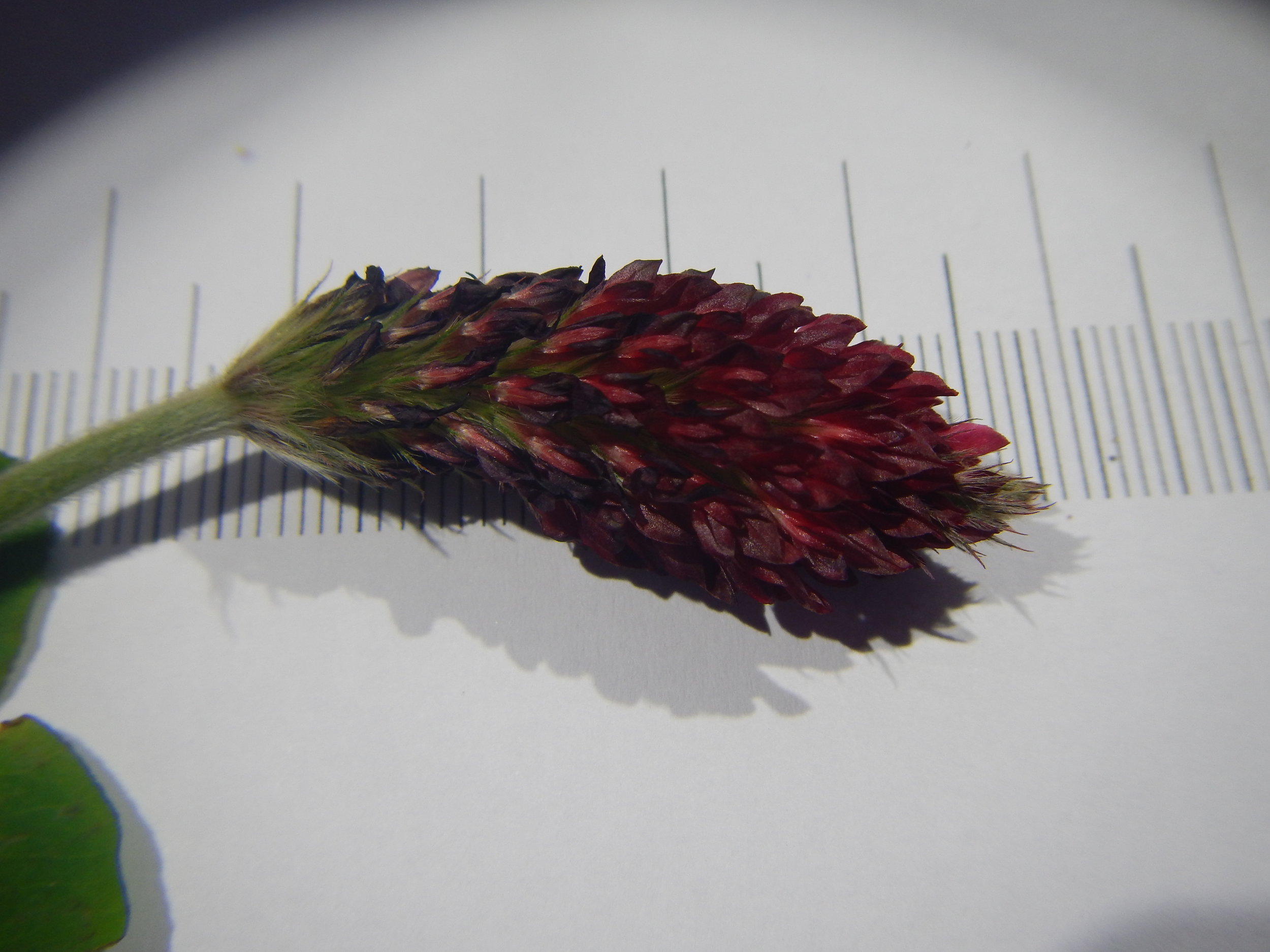
Trifolium incarnatum ssp incarnatum NS6265 17Nov2017 PW
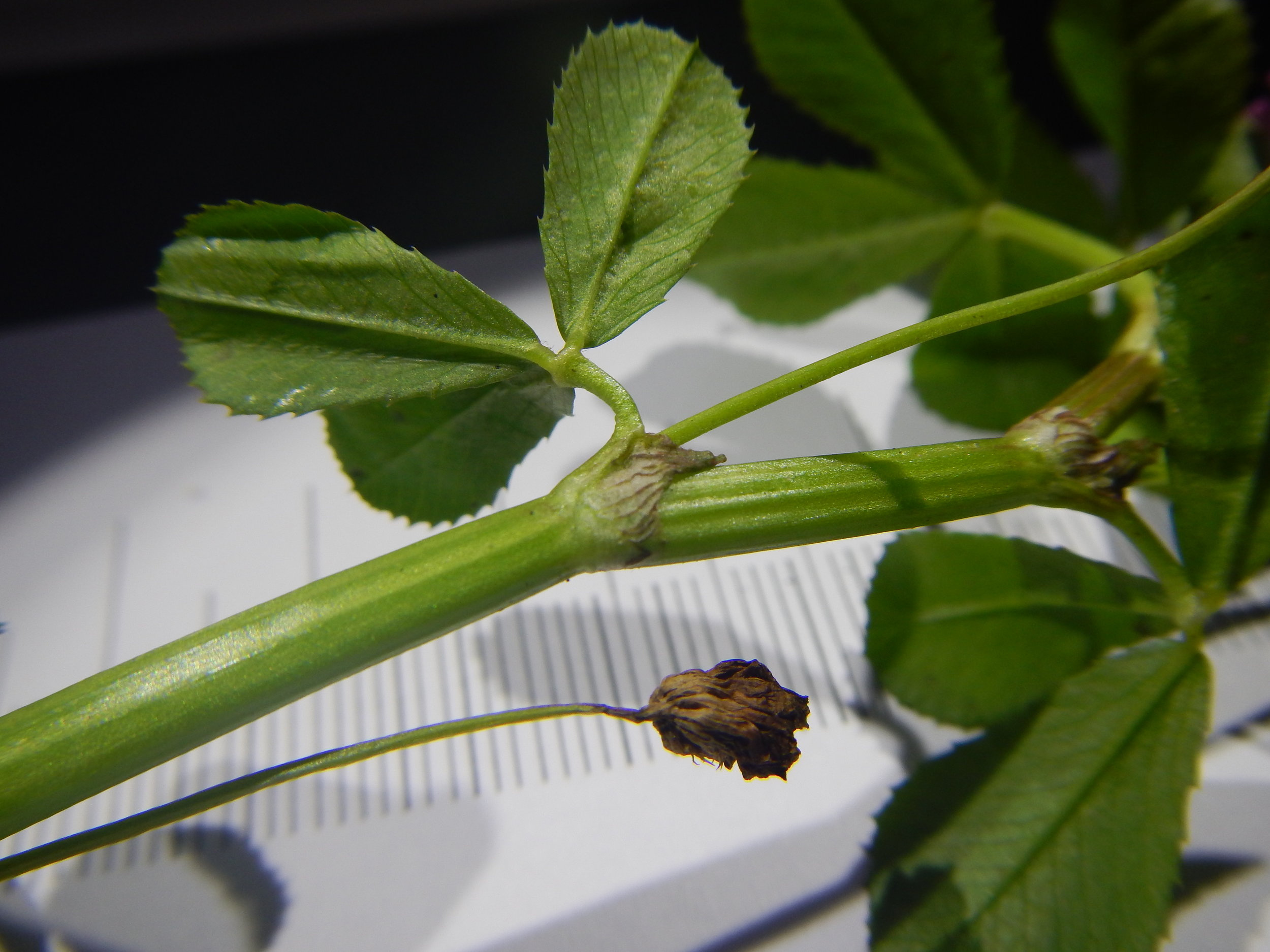
Trifolium incarnatum ssp incarnatum NS6265 17Nov2017 PW
Trifolium species - Clovers
Trifolium repens White Clover is creeping a mat-forming as the stems root at nodes. The leaves have inverted V white markings and are ±hairless. White flowers sometimes with pink tinge.
Trifolium pratense Red Clover stipule abruptly contracted to a bristle point. Leaves directly below the flowerhead. Usually clear chevron on the leaves. Leaves are hairy
two cultivar varieties of big T. pratense with hollow stems
var. sativa (with appressed hairs on the stem, or glabrous) and
var. americanum (with spreading hairs on the stem).
Trifolium medium Zig-zag Clover has a stipule which is linear to lanceolate and a clear stalk below the flowerhead above the uppermost leaves. Narrower less hairy leaves than T. pratense
Trifolium hybridum Alsike Clover is more upright and robust and does not root at nodes. The leaves paler markings. Flowers have pink base and paler moving to white at the top of the inflorescence
Trifolium arvense Hare’s-foot Trefoil is a softly hairy annual. Stipules red-veined and bristle-like. The flower spherical to ovoid and unmistakable
Trifolium campestre Hop Trefoil is the largest of the trefoils, growing up to 30 cm high. Distinctive in having large, pale yellow ‘pom-pom’-like flowerheads, each with more than 20 individual flowers, 4–7 mm long.
Close up it can be seen that the petals are broader than the other two species and have a corrugated texture which gives the whole flower a resemblance to the fruits of Hop (Humulus lupulus). Leaves are sparsely hairy.
Favours disturbed, well drained and sunny calcareous habitats, but also occurs in dry, acid grassland where there is some gravel or shingle present.
Trillium dubium Lesser Trefoil are shown with the Medicks.
These are two unusual casual clovers.
Trifolium incarnatum - Crimson Clover
Trifolium resupinatum- Reversed Clover